Ready to bring your product to life?

Request a Quote
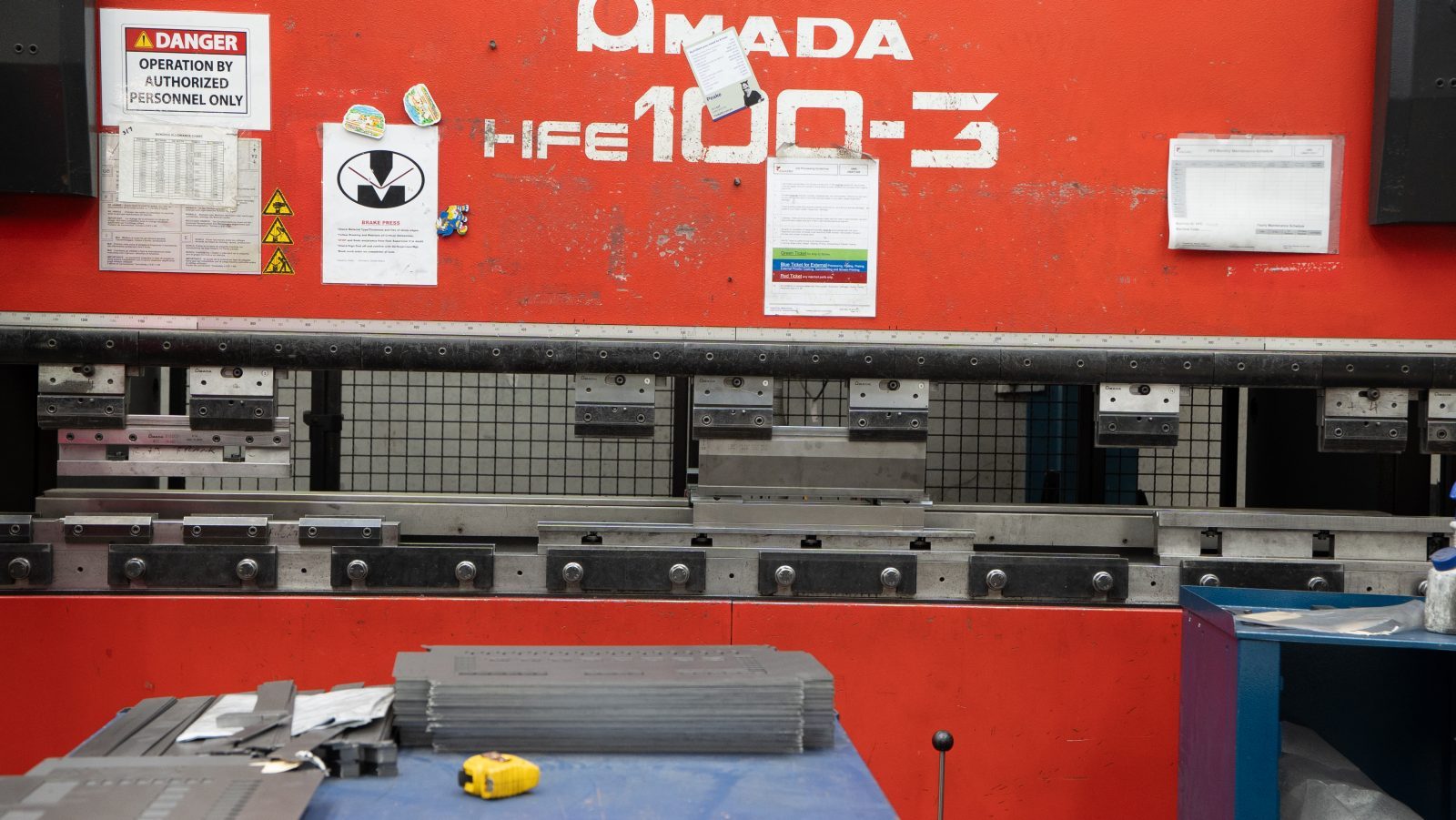
Amada HFE press brake at Amapro

Metal Fabrication MELBOURNE

Precision sheet metal components and assemblies, designed, built and finished under one roof in Dandenong South.

What is metal fabrication?

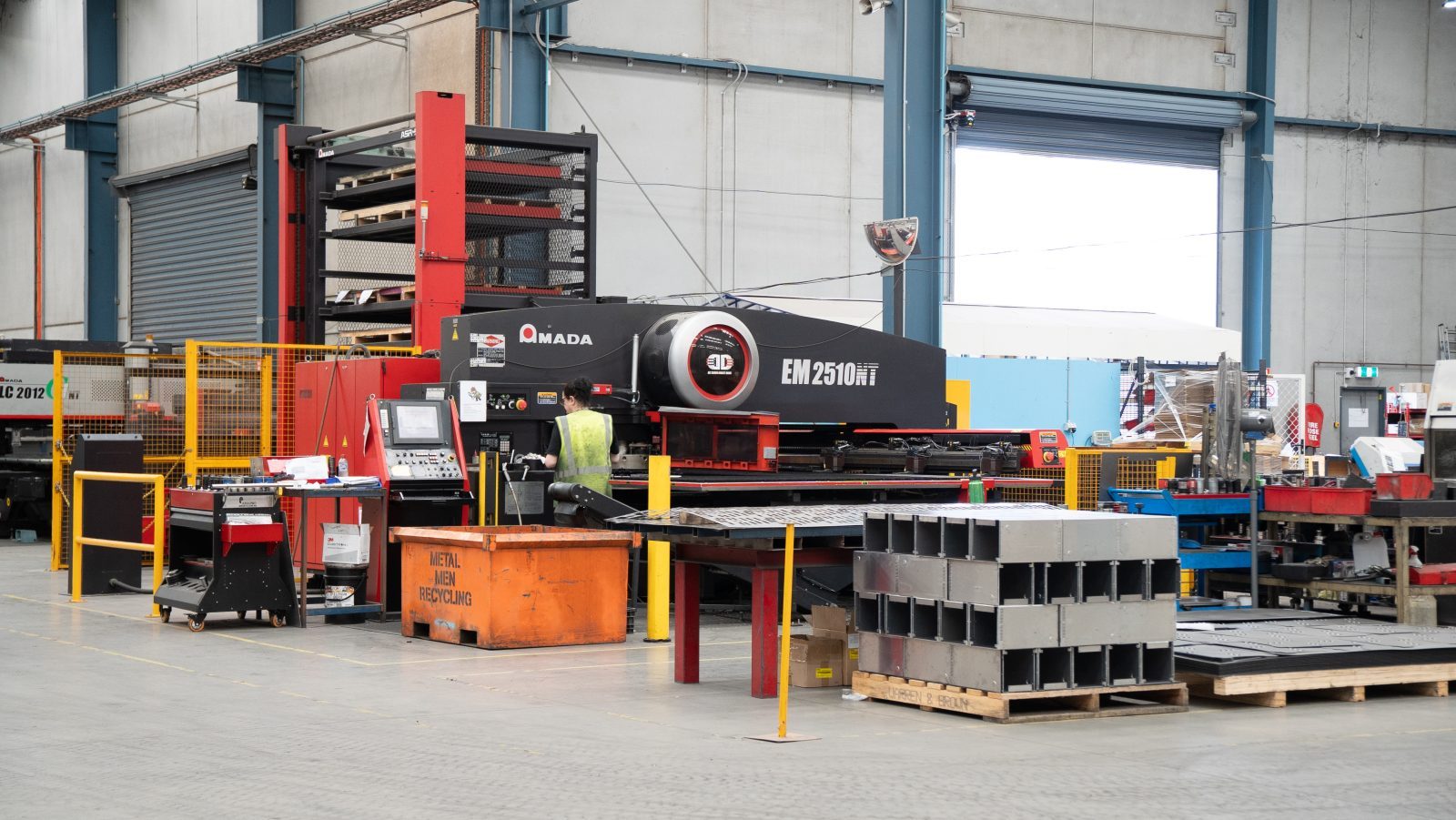
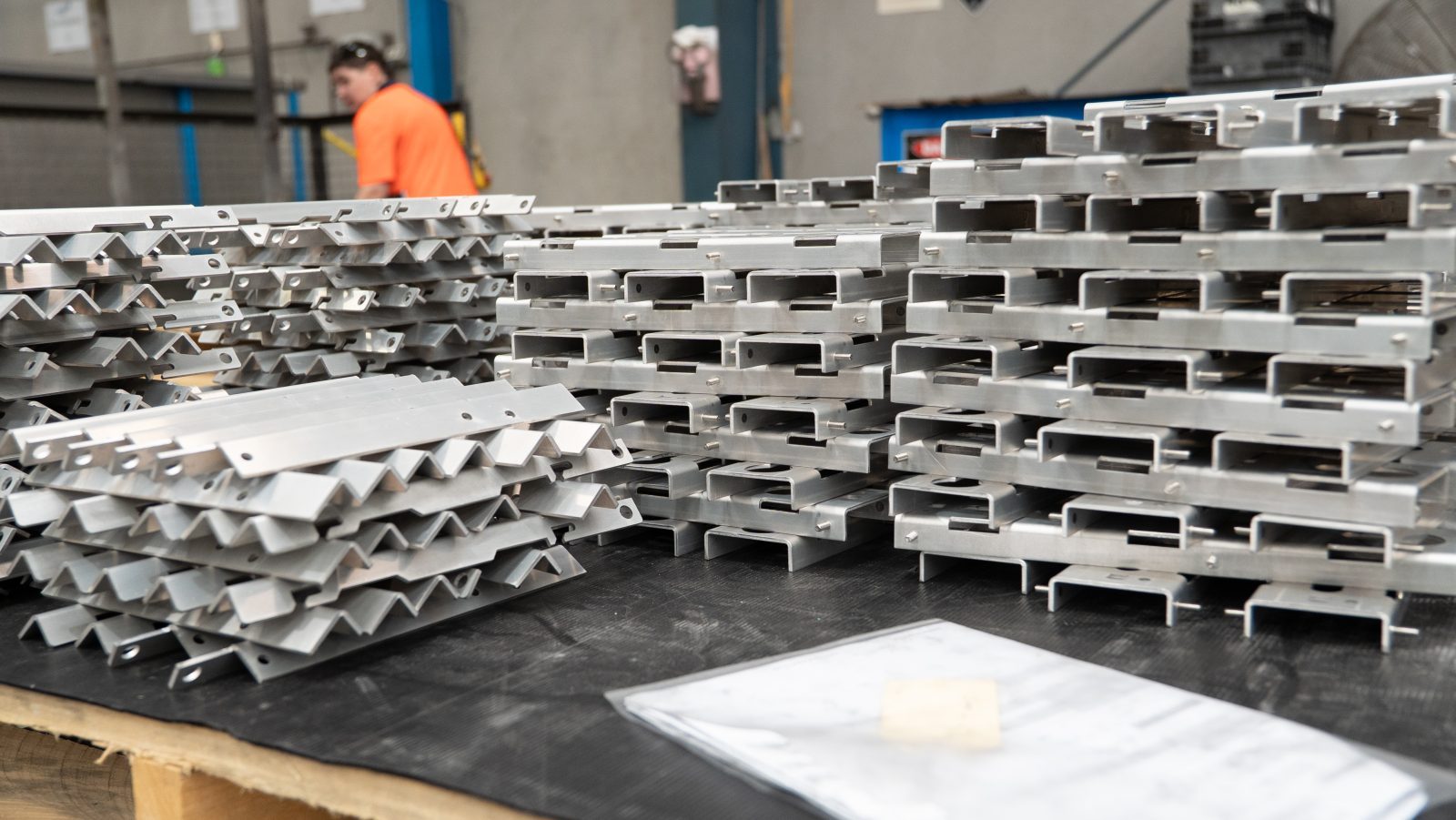
Amapro manufactures precision sheet metal components and assemblies from a 3,090 square metre facility in Dandenong South, with 32 staff and more than 35 years of Australian manufacturing behind the work. Design, prototyping, production and finishing run under one roof, so a part moves from drawing to dispatch without leaving the building.

The work is built with you, not just for you. Engineering input starts at the drawing stage, before the quote, which removes cost that a quote-only supplier passes straight through to the invoice.

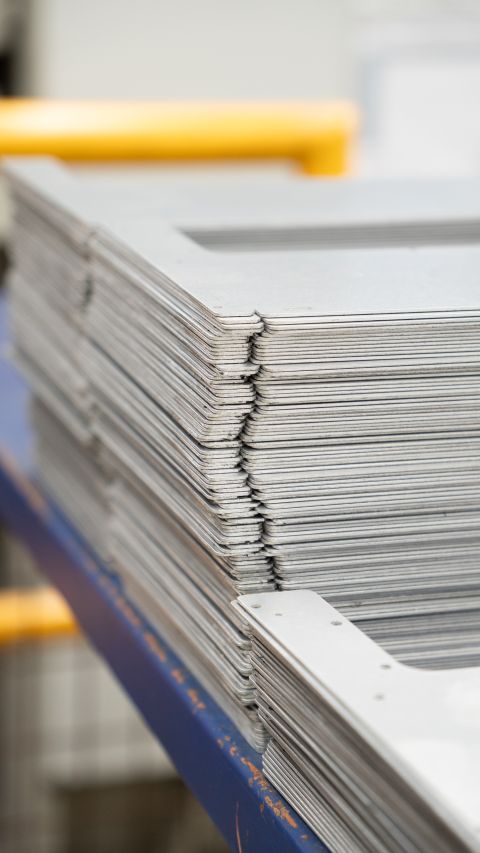
Metal fabrication is the process of cutting, forming, joining and finishing raw metal stock into a finished part or assembly built to a drawing. The work starts from flat sheet, plate or section rather than molten material, which separates it from casting and forging.

That starting point decides the commercial case. Fabrication suits precision parts at low to medium volume because no hard tooling is required, so a design change becomes a program change rather than a new mould. Casting suits high volume, once tooling cost amortises.

Sheet metal or structural steel?

Material thickness decides which supplier type suits the job. Sheet metal runs from roughly 0.5 mm to 6 mm; plate and structural section sit above 6 mm. Amapro works the sheet metal range, producing enclosures, chassis, brackets, panels and cabinets to close dimensional limits. Frames, mezzanines and load-bearing members belong with a structural fabricator.
Capabilities

Nine in-house processes

Running all of them internally removes the transport, handover and revision-control losses that occur when a part moves between three separate suppliers.

Which metals does Amapro fabricate?

Material selection follows the application, the exposure and the finish, not the price list.

  • Mild and carbon steel for general enclosures, brackets and frames
  • Stainless steel 304 and 316 where corrosion resistance governs, with 316 for coastal and chemical exposure
  • Aluminium where weight matters, at roughly one third the density of steel
  • Galvanised steel where a zinc coating suits the service environment
  • Brass and copper for electrical and decorative components

Grade matters more than metal name. Stainless 316 resists chloride attack where 304 pits, and aluminium 5052 folds reliably at radii that crack 6061-T6. Specifying the grade rather than the metal removes a clarification cycle from the quote.

Materials

Choosing a metal

How the three most-specified materials compare across the properties that drive a fabrication decision.

PropertyMild steelStainless 304/316Aluminium
Weight Baseline Similar to mild steel Approx. one third the density
Yield strength Approx. 250 MPa Higher than mild steel Varies widely by temper
Corrosion resistance Requires a coating Best untreated Self-passivating
Formability Folds predictably Springs back, work-hardens 5052 folds well, 6061-T6 cracks
Finishing Powder coat or galvanise Passivate Powder coat or anodise
Relative cost Lowest per kilogram Premium Premium, offset by less finishing

Capacity

Size and thickness limits

Press brake fold length and tool access constrain more parts than sheet size does. Confirm the part against these limits before requesting a quote.

Maximum sheet size
3000 × 1500mm
Max thickness — mild steel
25mm
Max thickness — stainless and aluminium
12mm
Maximum fold length
3000mm
Cutting tolerance
±0.15mm
Folding tolerance
±0.25mm Angular ±0°30′

Parts outside these limits are still worth discussing. Splitting an assembly into fabricated sub-components frequently brings an oversized part back inside capacity. Accuracy also differs by feature: laser-cut profiles and holes within a single flat face hold the tightest limits, while hole positions across a bend accumulate bend deduction variation.

Industries

Who we supply

Precision sheet metal fabrication supplies six sectors in Australia, each buying a recognisable component type. Component type predicts the manufacturing requirement more reliably than sector name.

Data centres

Rack frames, ventilated enclosures, cable trays and mounting rails.

Defence

Equipment housings and mounting hardware, with traceability requirements attached.

Telecommunications

Outdoor-rated cabinets, equipment shelves and brackets.

Infrastructure

Access panels, covers and service enclosures for outdoor exposure.

Gas and heating

Burner components, housings and flue fittings.

Retail and point of sale

Display frames, fixtures and enclosures.

Why Amapro

Six operational differences

What separates Amapro from a quote-only fabrication shop. The practical effect shows on revisions: a design change with a single supplier costs programming time and material, but split across a designer, a fabricator and a coater the same change costs three coordination cycles and nobody owns the resulting dimension.

Everything in-house

Design, prototype, fabrication and finishing run in one facility, so revision control never fragments across suppliers and nobody hands off accountability.

Prototype to production, no retool

Design changes run as program changes rather than new hard tooling, which keeps iteration affordable at low volume.

Engineering input before the quote

Design for manufacture review consolidates parts, relaxes non-critical tolerances and aligns features to existing tooling.

Global capability, local precision

Global-standard capability through the Prysmian and Warren & Brown affiliation, delivered with local engineering collaboration.

Local lead times and IP control

Offshore fabrication adds roughly four to eight weeks of shipping before port delays. Drawings stay in one jurisdiction under enforceable agreements.

No hard tooling commitment

Small to medium runs proceed without the minimum order quantities that offshore supply requires.

How it runs

From drawing to delivery

A job runs through five stages from enquiry to dispatch, each with a decision point and a required input from you.

Send your drawings
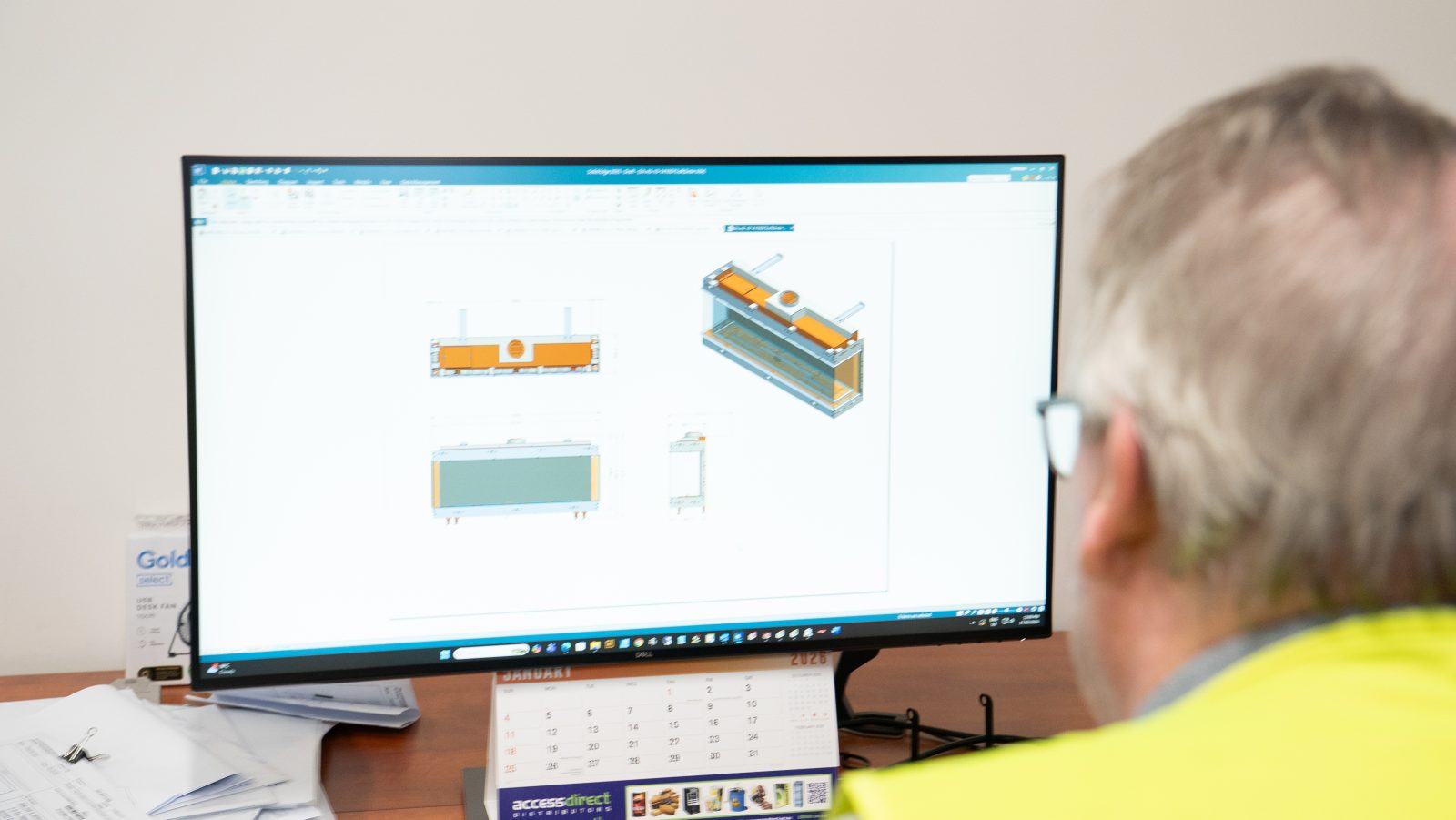
Supply a STEP model with a 2D PDF drawing, or a DXF flat profile. A sketch or physical sample also starts the conversation.
Design for manufacture review
We check the design against the process before pricing it. The review consolidates parts where one folded component replaces two welded pieces, relaxes tolerances on non-critical features, standardises hole sizes to existing punch tooling and aligns bends to a single radius. Function stays the same; the drawing changes.
Quote
Pricing issues against the reviewed design, itemised by material, processing, finishing and freight.
Prototype and first article
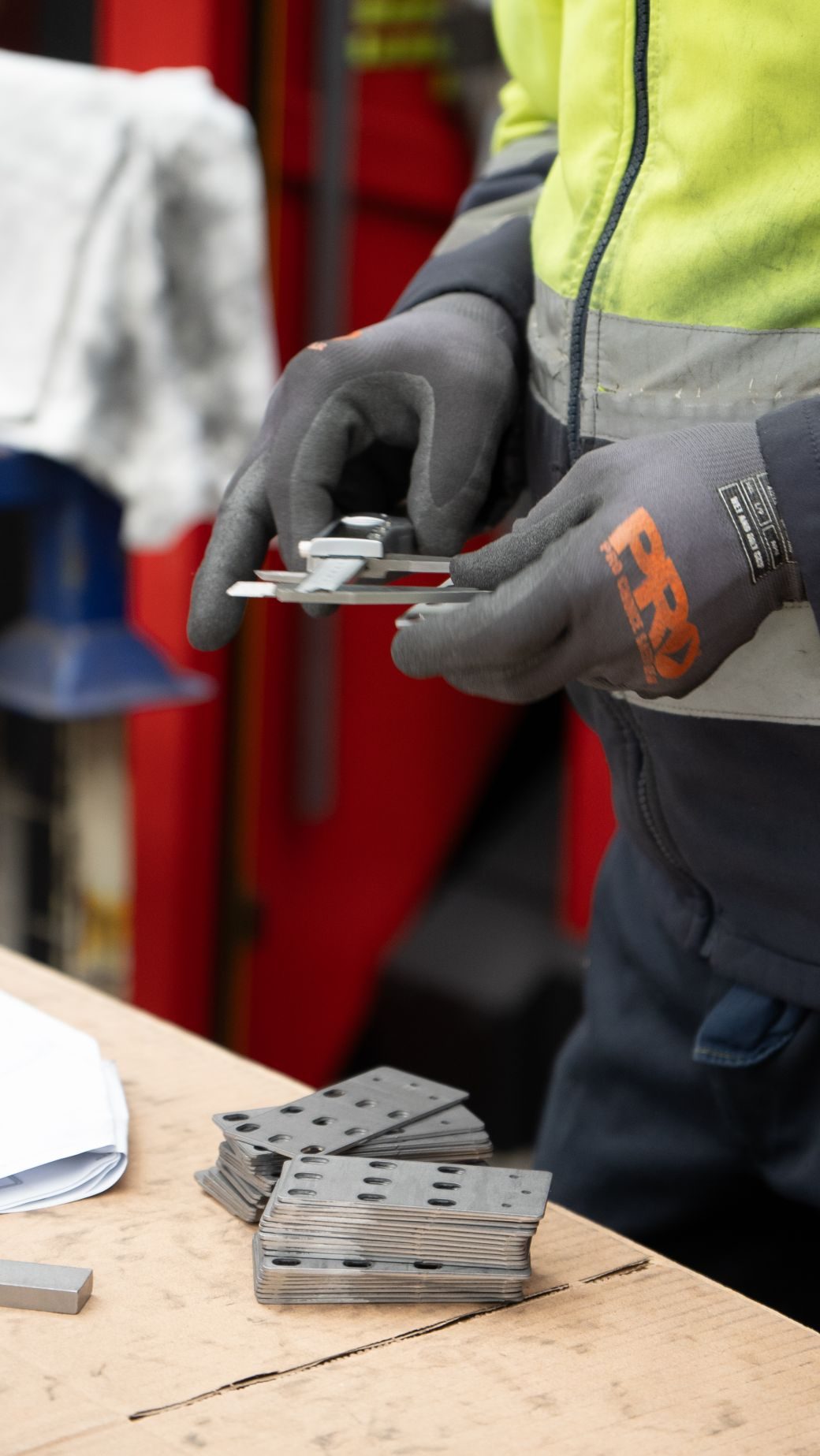
You inspect and approve a part against the drawing before production runs.
Production, finishing, delivery
The approved revision runs at quantity, is coated, inspected and dispatched.

Pricing

What affects the cost

Fabrication price is a set of design and commercial decisions rather than a fixed rate. Seven variables move the number, and each moves it in a predictable direction.

Material grade and thickness
Stainless and aluminium cost more per kilogram than mild steel, and thicker stock slows cutting.
Bend count
Every bend adds a press brake setup and a handling cycle, so bend count raises unit cost faster than profile complexity.
Tolerance tightness
Limits beyond standard capability add inspection and narrow the process options. This is the variable buyers control most easily and specify most carelessly.
Secondary operations
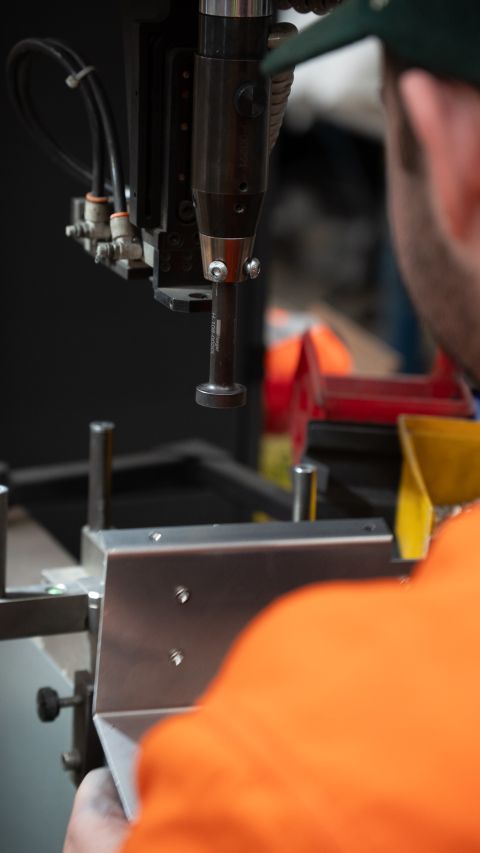
Tapping, countersinking, inserts and machining each add a separate handling step.
Finish
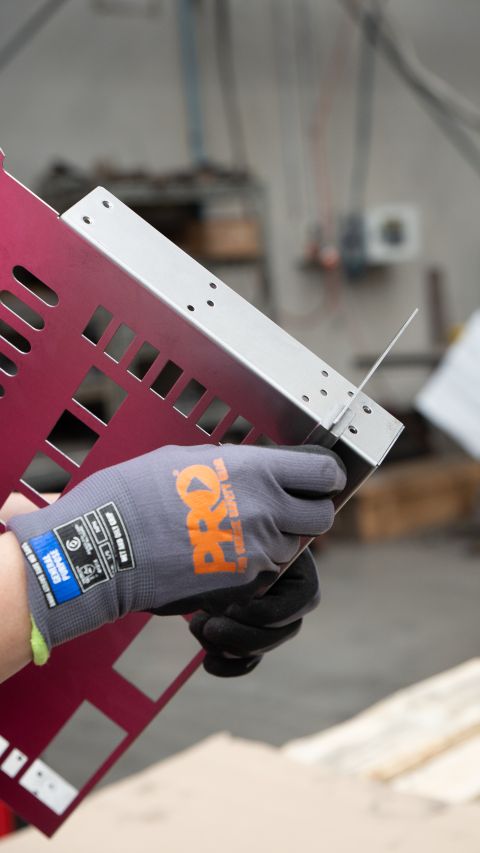
Powder coating, anodising and galvanising each carry a per-part or per-batch cost, plus masking labour.
Batch size
Setup cost amortises across the run, so unit price falls sharply between one part and fifty.
Freight
Part size and assembly volume drive packing and transport, quoted separately.

Our quotes itemise material, processing time per operation, setup, finishing and freight, so competing prices compare on equal terms.

Lead time

What extends a schedule

Operation count and finishing drive duration more than part size does. Five factors extend a schedule, and each has an action that recovers the time.

Material availability
Non-standard grades arrive on supplier lead time. Specifying a stocked gauge removes the wait.
Design changes mid-run
A revision after production release restarts programming and scraps completed parts. Freezing the drawing at first article approval prevents it.
Tolerance tightness
Tight limits narrow the process options and add inspection.
Finishing queues
Coating runs in batches. Confirming colour and masking early holds the slot.
Inspection requirements
Documented first article inspection adds an approval cycle. Agree the level at quote stage.

Questions

Metal fabrication FAQs

The questions buyers ask before sending a drawing.

Do you quote without technical drawings?

Yes, at indicative level. A dimensioned sketch, a physical sample or a concept with a stated application produces an indicative price. A fixed quote requires a drawing or model, because tolerance and finish drive the cost.

What file formats do you accept?

STEP, STP, DXF, DWG, IGES and PDF. A 3D STEP model paired with a 2D PDF drawing is the fastest combination to quote. Export the flat pattern rather than the folded model when supplying DXF, and state the units.

Do you handle both prototypes and production runs?

Yes. Prototyping and production run in the same facility on the same equipment, so a design validated at prototype stage manufactures on the process that produced it. Splitting the two across suppliers validates a design against a process that never makes it.

What do you need alongside a drawing to quote accurately?

Material and grade, thickness, critical dimensions, tolerances, bend directions and radii, hole sizes and positions, weld details, surface finish and colour, quantity, revision number and target date. Each missing item widens the quote or stops it. A drawing without a finish callout produces a price that excludes coating, which surfaces later as a variation.

Can you work from a physical sample?

Yes, through reverse engineering. The sample is measured, modelled and turned into a drawing you approve before production. Worn or previously modified samples reproduce those faults unless the design intent is clarified first.

Does powder coating need specifying before fabrication starts?

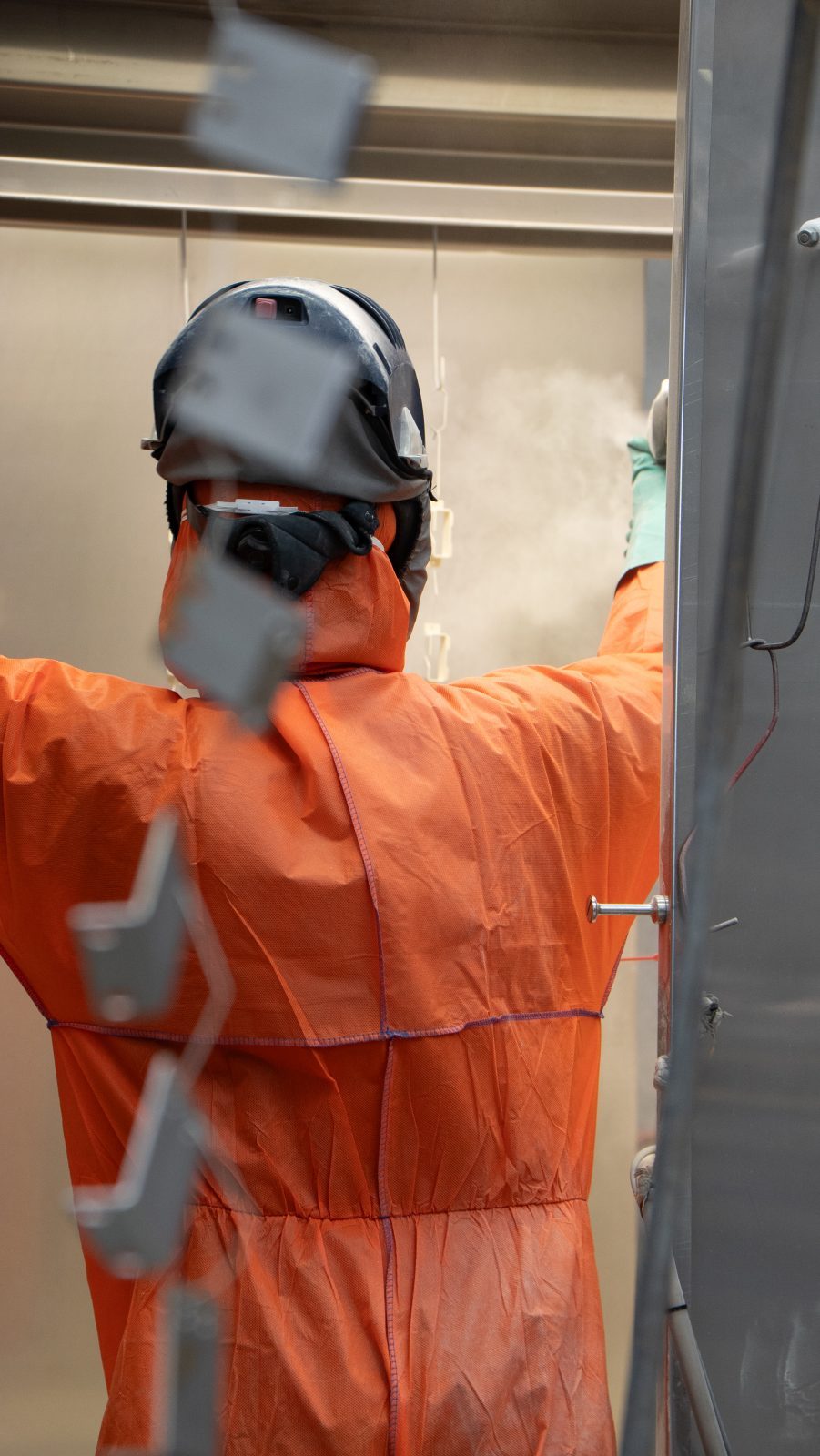
Yes. Coating adds film thickness that changes hole diameters and mating tolerances, masking has to be planned before welding, and surface preparation changes how parts are handled. Specifying a finish after parts are fabricated and staged forces rework.

How is a fabrication quote priced?

Against material grade and thickness, bend count, tolerance tightness, secondary operations, finish, batch size and freight. Quotes itemise material, processing time per operation, setup, finishing and freight so competing prices compare on equal terms.

Do you supply outside Melbourne?

Yes. Amapro manufactures in Dandenong South and supplies customers Australia-wide.

Request a metal fabrication quote

Send your drawings, material, quantity and target date and we respond with an itemised quote. Holding only a sketch or a sample is not a barrier.