01
Share your requirements
Send your current drawing or model with the stainless steel grade, thickness, quantity, finish and required date.

Amapro provides custom stainless steel fabrication from our Dandenong South facility, combining CNC laser cutting, precision folding, welding, design support and assembly for drawing-led components and assemblies.
Stainless steel fabrication turns flat sheet into finished components through cutting, forming, joining and assembly.

The right manufacturing process depends on the material grade, sheet thickness, part geometry, dimensional requirements and required finish. Amapro supports projects from design review and prototyping through to repeat production, with each component manufactured to the approved drawing and project requirements.

Send your drawing, stainless steel grade, thickness, finish requirements and quantity to discuss manufacturability and request a project quote.
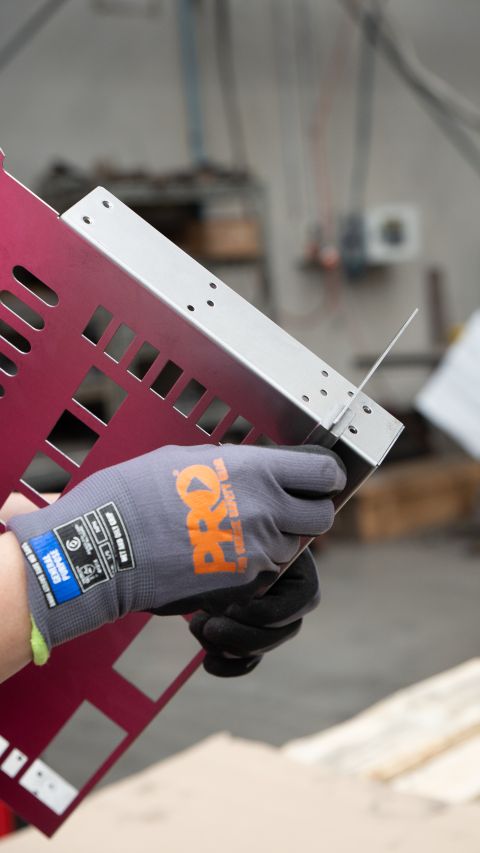
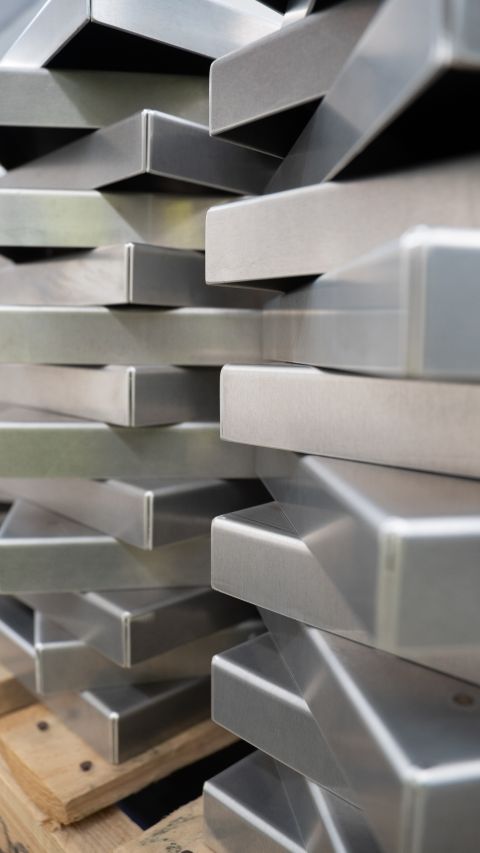
Typical components include folded panels, brackets, covers, housings and multi-part assemblies manufactured to customer drawings. Openings, fixings, joining locations, visible surfaces and installation interfaces should be identified on the drawing. For assembled components, include the required parts, hardware and any supplied or customer-provided items in the project specification.

Prototype and one-off components can be used to check fit, bend geometry and assembly before moving into repeat manufacture. For production runs, the approved drawing revision, material specification, quantity and inspection requirements provide the basis for consistent manufacturing. Production volume and timing are confirmed as part of the quotation.
Capabilities
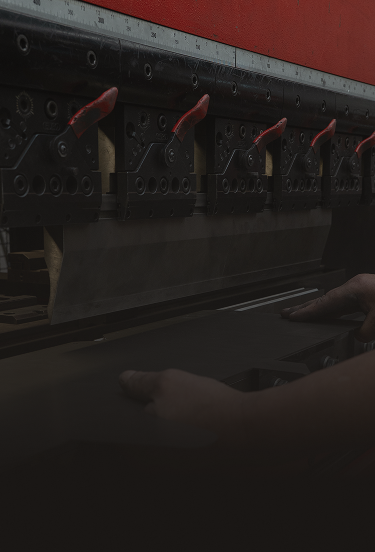
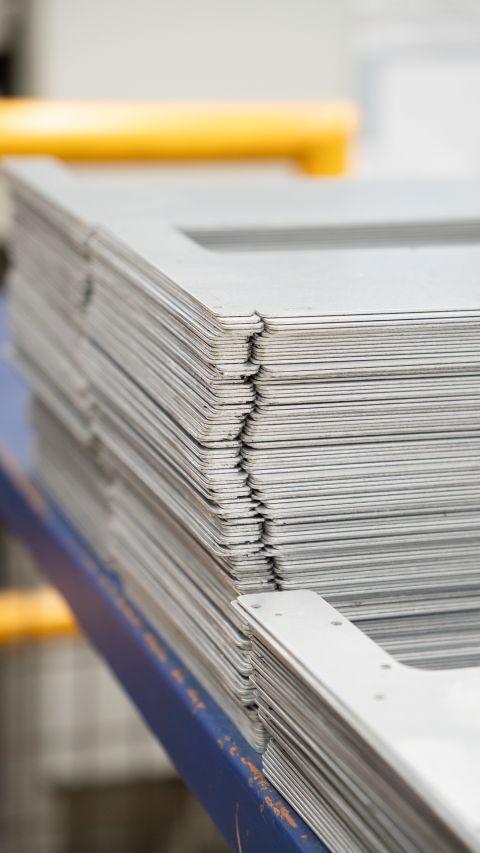
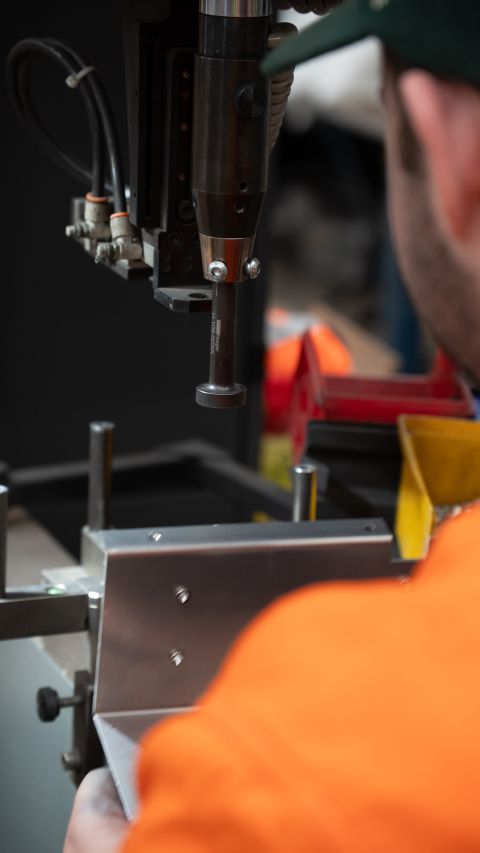
Stainless steel components can move through several stages of sheet metal fabrication, including laser cutting, CNC press brake folding, welding, design support and assembly. The drawing determines the required process sequence, from a flat laser-cut blank through to folded, joined and assembled components.
3 capabilities
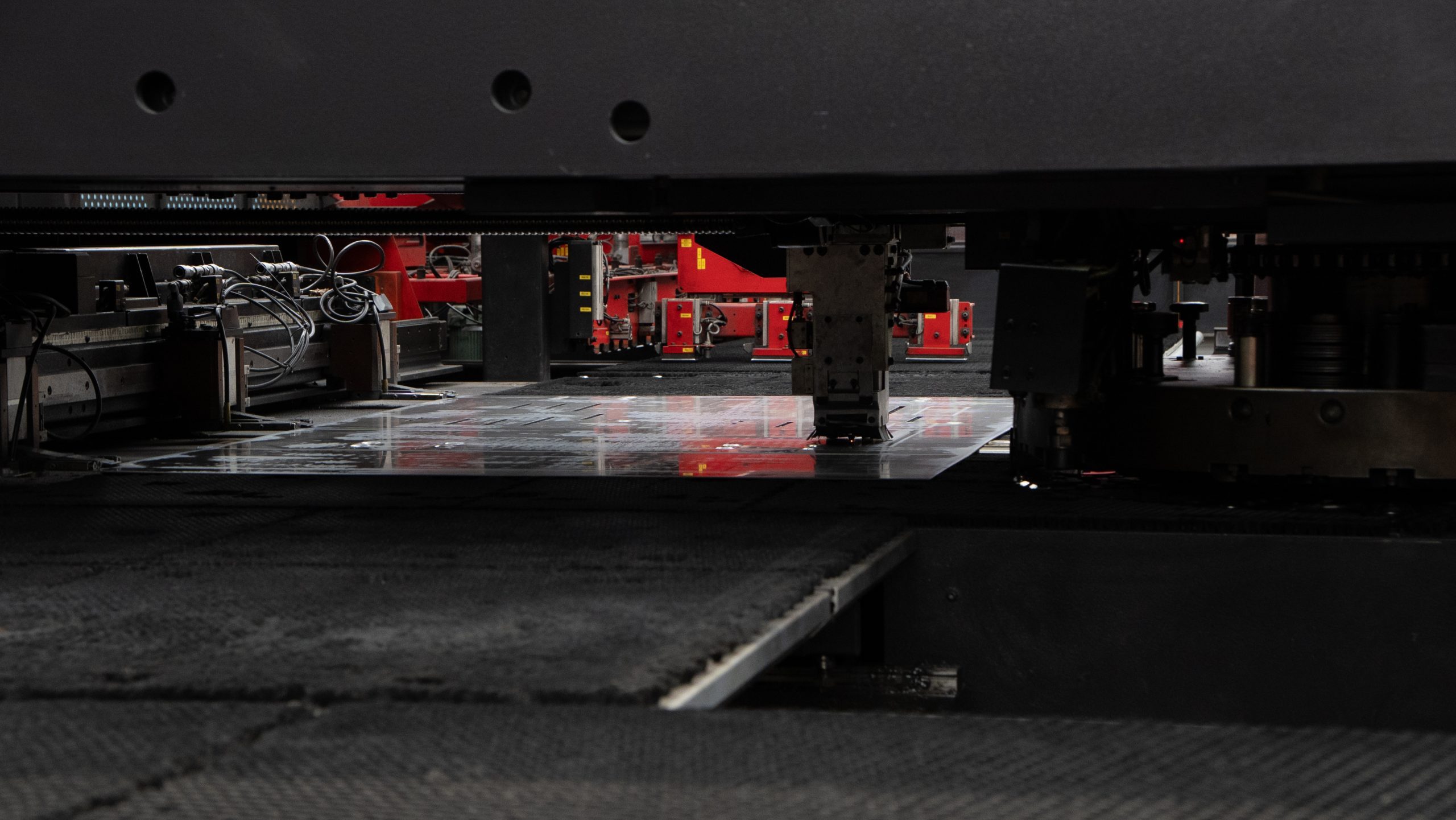
Provide the stainless steel grade, thickness, bend lines, critical features and current drawing revision with your enquiry. Cutting capacity, bend requirements and achievable tolerances are assessed against the individual part rather than a single universal specification. See laser cutting.

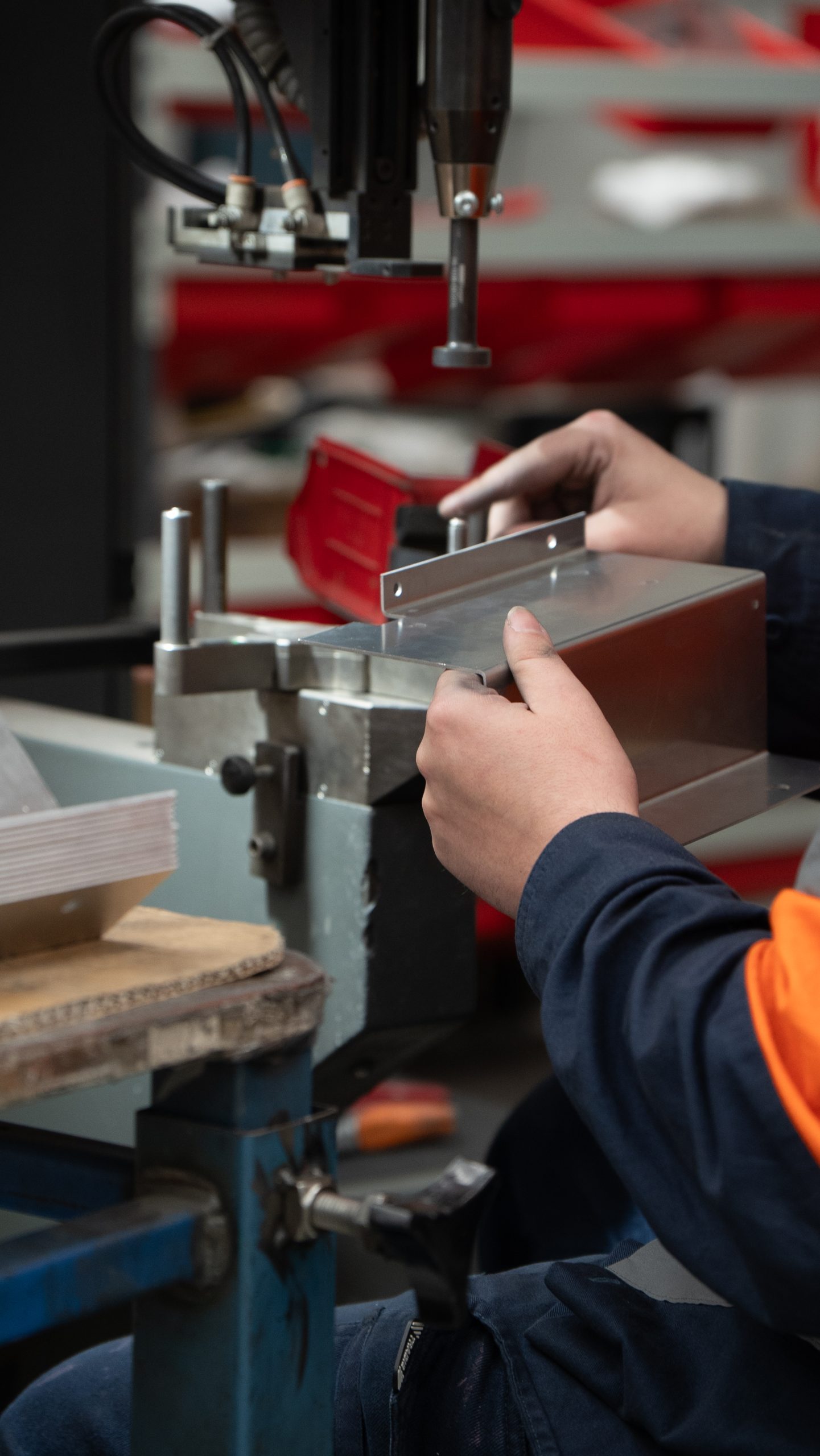
These are available across Amapro’s broader metal fabrication capability. The appropriate joining method depends on the stainless steel grade, part geometry, joint access, appearance requirements and production quantity. Include weld locations, finish requirements and any inspection criteria on the drawing so the joining process can be reviewed as part of the complete fabrication route.
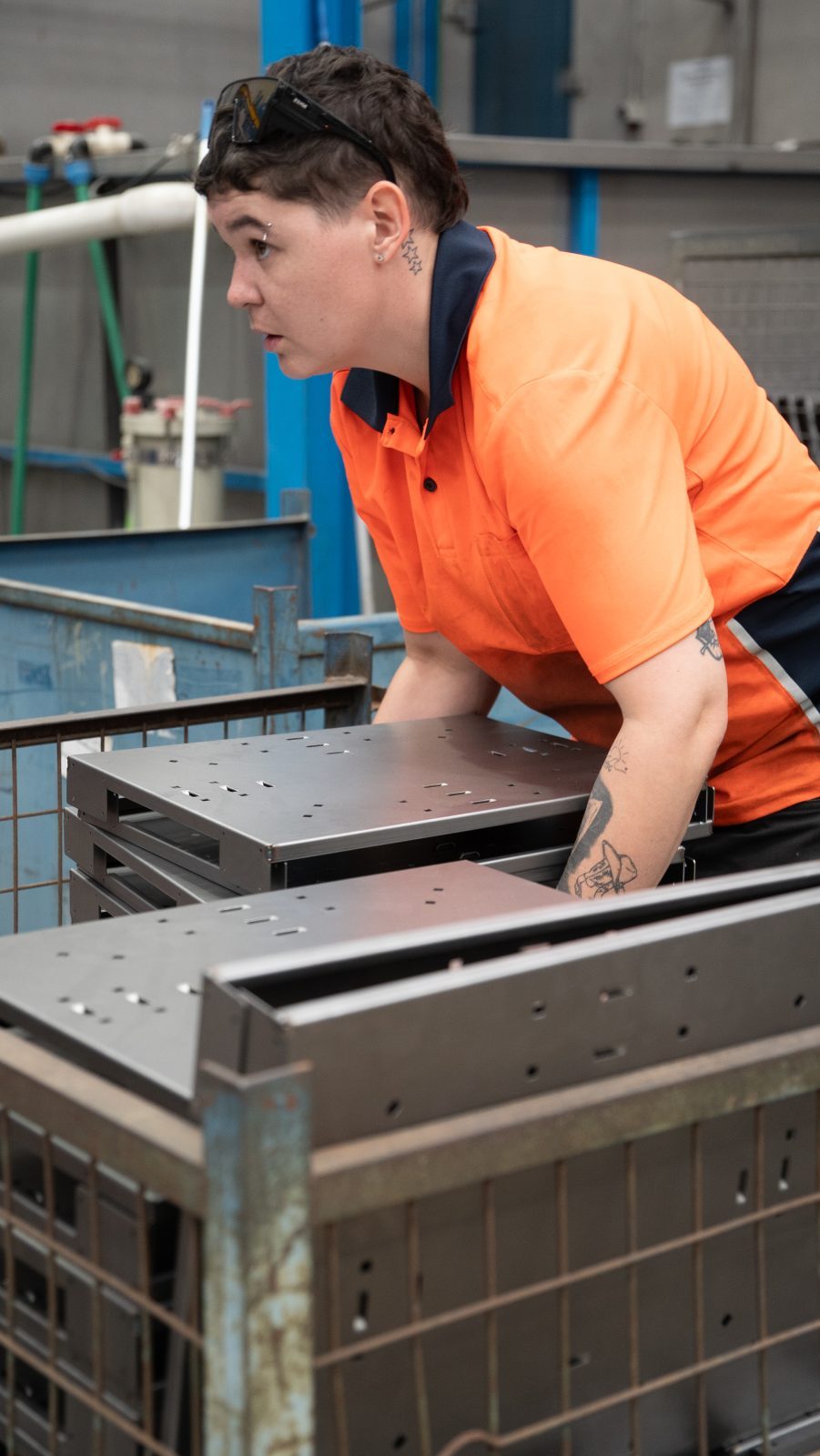
Support includes 3D modelling, reverse engineering, file conversion and production drawings. Design review can identify bend allowances, tool access, hole positions and joint placement before production begins. Let us know whether your enquiry is based on an approved production drawing or also requires design and engineering support.

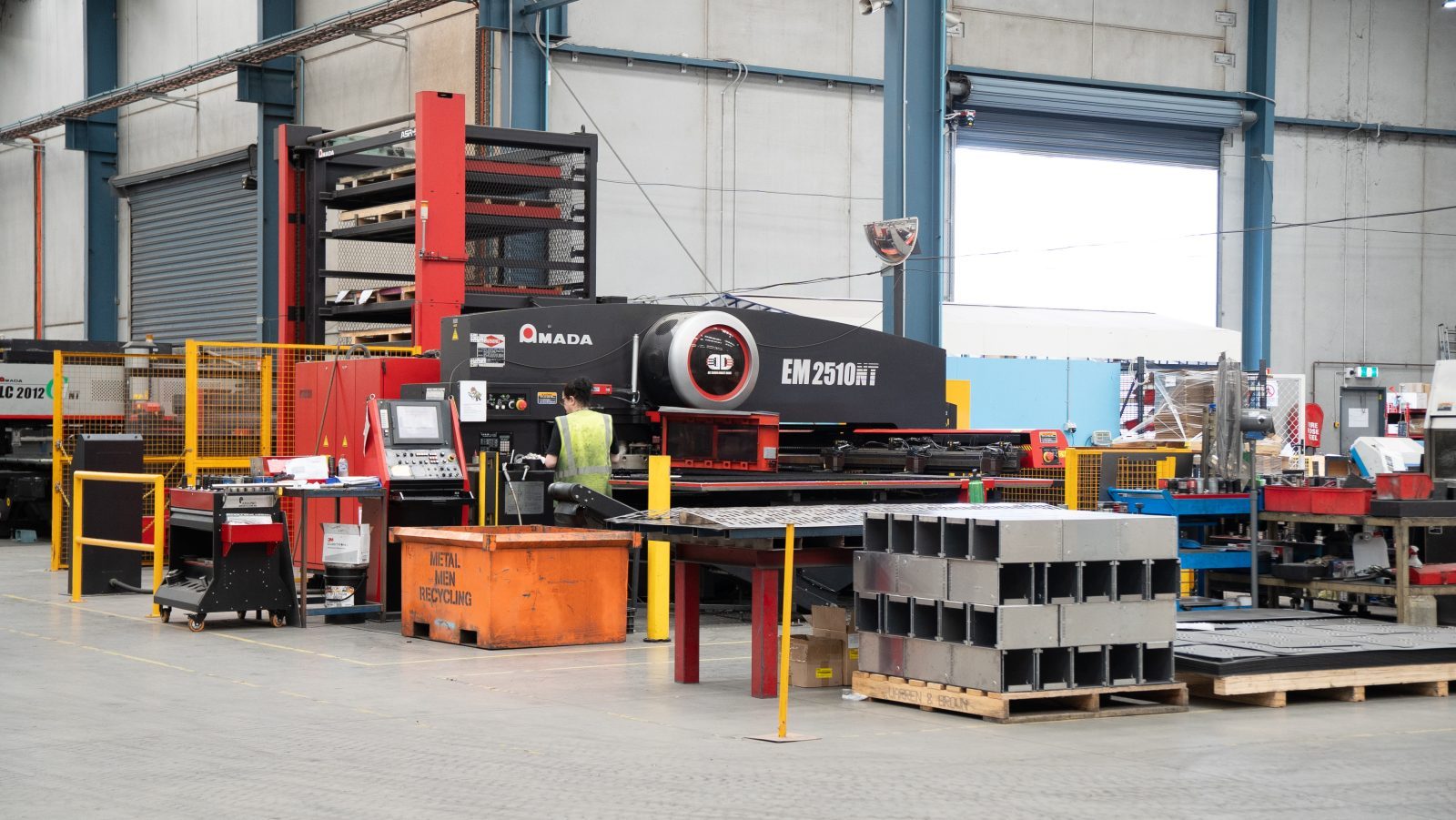
Materials
Grade and finish selection affect corrosion resistance, appearance, forming, welding and maintenance requirements. Grades 304 and 316 are commonly used for fabricated stainless steel components, but the right grade depends on the operating environment and project specification. Include the required grade and surface finish on the drawing rather than specifying stainless steel alone.
| Factor | 304 | 316 |
|---|---|---|
| Typical use | General corrosion-resistant fabrication | Applications requiring greater chloride resistance |
| Key distinction | No intentional molybdenum addition | Molybdenum improves resistance to pitting |
| Important consideration | Assess suitability for the actual environment | Greater resistance does not make it corrosion-proof |
Grade 304 is widely used for general stainless steel fabrication where good corrosion resistance and formability are required. Grade 316 contains molybdenum, giving it greater resistance to pitting and crevice corrosion in chloride-containing environments. This can make it more suitable where exposure conditions are more aggressive, although grade selection should still consider the actual environment, cleaning requirements and component design. Low-carbon grades such as 304L and 316L may also be specified for welded components where resistance to sensitisation is important.
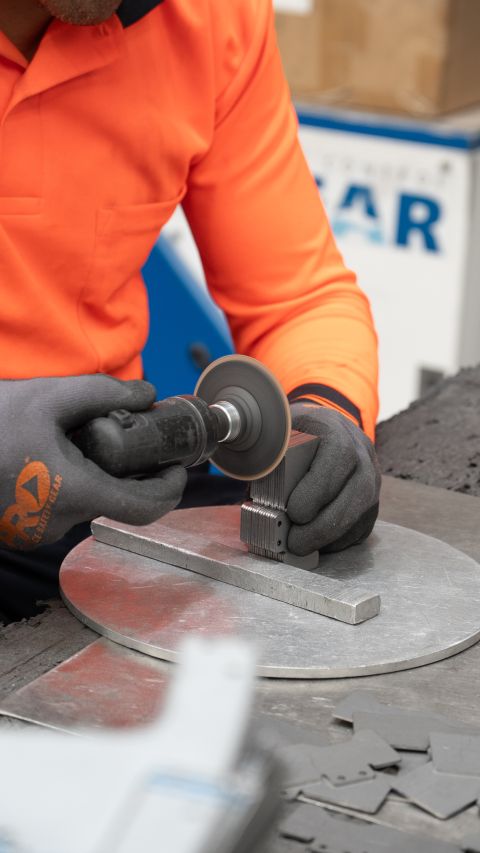
Surface finish should be defined by the drawing, an agreed standard or an approved reference sample. Identify visible faces, surface direction, acceptable handling marks and any cleaning or post-weld requirements. Deburring, edge preparation and surface cleaning are available within Amapro’s manufacturing capability. If polishing, passivation or another specialist stainless steel treatment is required, include it in the enquiry so the appropriate finishing route can be confirmed before quotation.
Applications
Stainless steel fabrication suits components where corrosion resistance, cleanability, appearance or long-term durability are important to the application. The required grade, finish and inspection requirements depend on the component and its operating environment. Include any application-specific requirements with the drawing so they can be considered during review.
Each project starts with the component requirements and progresses through drawing review, manufacture and inspection.
Send your current drawing or model with the stainless steel grade, thickness, quantity, finish and required date.
Part geometry, material requirements, critical dimensions and manufacturing processes are reviewed before quotation.
The agreed scope, quantity, finish and current drawing revision provide the basis for manufacture.
A sample or first-off component can be reviewed before repeat production where the project requires it.
Parts progress through the required laser cutting, folding, welding, finishing and assembly stages according to the approved specification.
Completed components are checked against the agreed requirements before packing and dispatch.
“Our customers don’t just come to us to make something. They come to us to solve a problem. That’s the conversation we want to have from day one.”
Graziano Bratovic, General Manager, Amapro
Quality
Quality requirements should be agreed before production begins. For stainless steel components, this may include the checks below. New or revised parts may also require first-off inspection before repeat production. Mark critical dimensions and acceptance requirements clearly on the drawing so the appropriate checks can be agreed for the project.
Material grade and thickness, and a controlled drawing revision.
Critical dimensions and datum points.
Weld requirements and the visible finish.
Inspection method and any required traceability or documentation.
Amapro combines design support, CNC laser cutting, precision folding, welding and assembly from our Dandenong South manufacturing operation. Keeping multiple fabrication stages within a coordinated production workflow makes it easier to review how cutting, forming, joining and assembly requirements affect the finished component before production begins. Our broader sheet metal fabrication capability also supports projects from initial design review and prototyping through to repeat production, with the manufacturing route built around the approved drawing and specification.
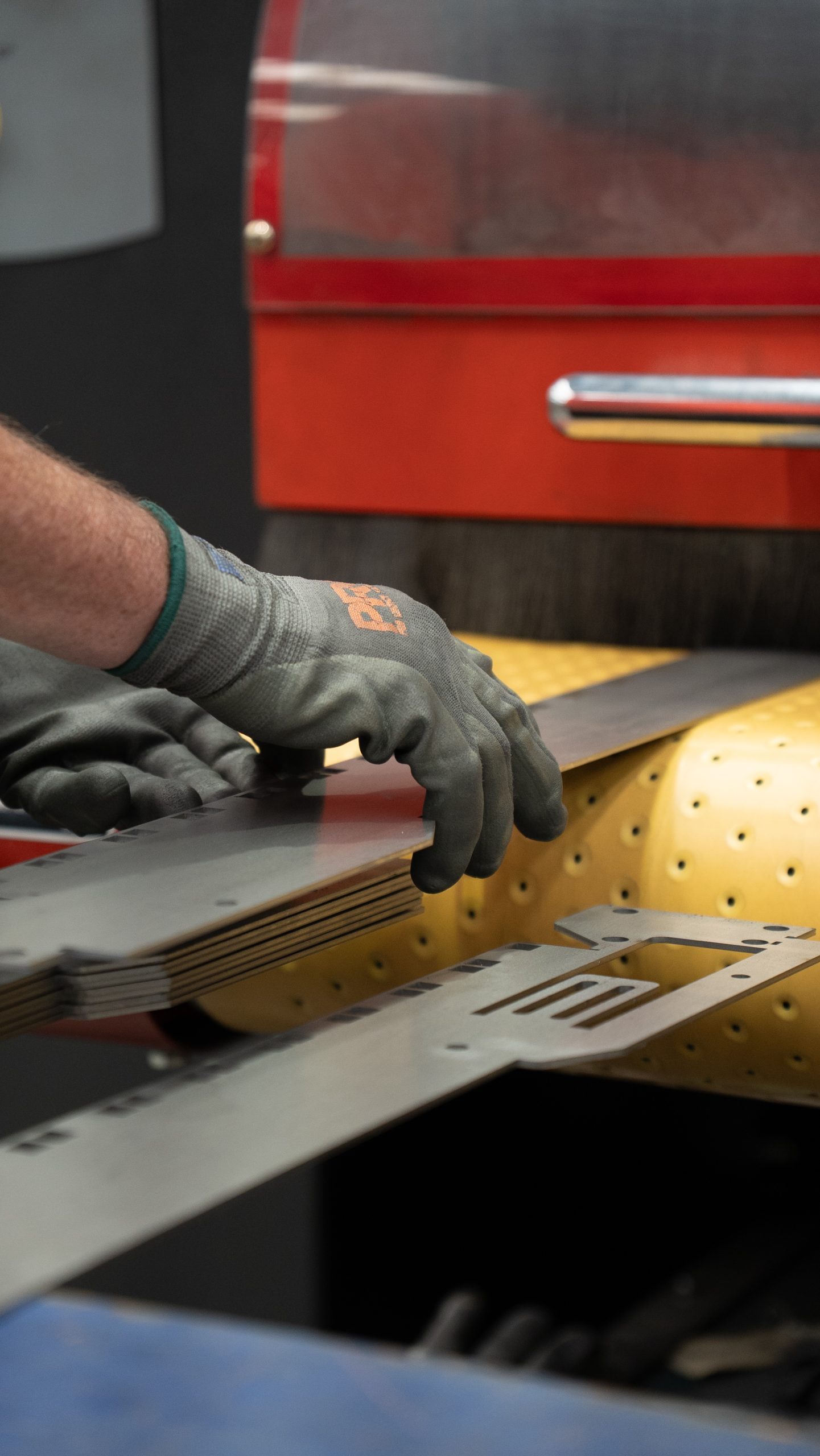
Based in Dandenong South, serving Melbourne.
Request a quotePricing
Stainless steel fabrication pricing depends on the grade, sheet thickness, part geometry, quantity and number of manufacturing operations required.
Send the actual drawing and quantity requirements for project-specific pricing.
Quoting
For the most accurate review and quotation, provide the items below. A dimensioned PDF should accompany editable geometry where possible so dimensions, notes and revision information can be reviewed together.
The latest dimensioned drawing with units and revision, plus editable CAD geometry where available.
Stainless steel grade, such as 304 or 316, and sheet thickness.
Prototype and production quantities.
Critical dimensions and tolerances.
Bend and weld requirements, and the required surface finish.
Inspection or documentation requirements, delivery destination and required date.
FAQs
Customer drawings, laser cutting and folding, prototype quantities and grade selection.
Yes. Customer-supplied drawings and CAD models can be used as the basis for stainless steel fabrication. Send the current drawing revision and let us know whether the project requires manufacture only or additional design review and development.
Yes. Stainless steel sheet can be laser cut and CNC press brake folded, subject to the grade, thickness, geometry and equipment requirements of the part. Include the required material, bend geometry, critical dimensions and finish so the complete manufacturing route can be reviewed.
Yes. Amapro supports prototyping as well as repeat sheet metal production. A prototype can be used to assess fit, bend geometry and assembly before moving into a larger production run. Quantity, tooling requirements and production timing are confirmed for the individual project.
No. The appropriate grade depends on the actual exposure conditions rather than whether the component is simply located outdoors. Grade 316 offers greater resistance to pitting in chloride-containing environments than grade 304, but factors such as temperature, deposits, cleaning, component design and the consequences of corrosion should also be considered when selecting the material.
Send us your current drawing, stainless steel grade, thickness, quantity, required finish and delivery location through the enquiry form. Include any critical dimensions, weld requirements, inspection documentation and design support needed for the project. Our team can review the requirements and confirm the proposed fabrication scope before pricing.