01
Review the interface
Identify mounting positions, critical clearances, fastening requirements and how the components must fit together.
Amapro provides precision manufacturing in Dandenong South, Melbourne, combining CNC machining with sheet metal fabrication, engineering support, finishing and assembly.
Services
Precision manufacturing produces components to specified dimensions, tolerances and functional requirements. Amapro combines several manufacturing processes so the method can be selected according to the design, material, intended use and quantity. Explore our manufacturing capabilities for equipment and process details.
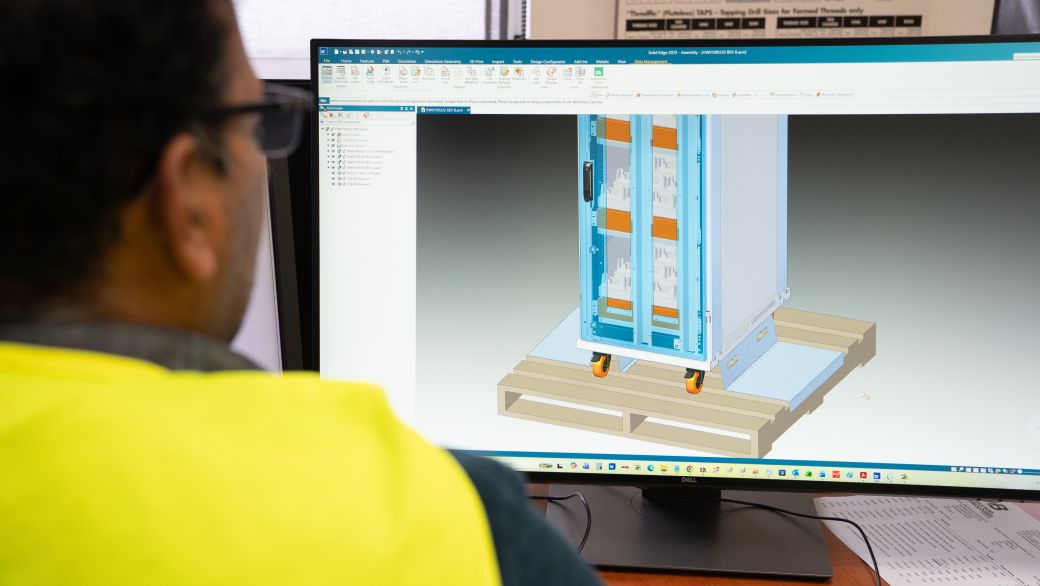
CAD/CAM development, design for manufacture (DFM) and reverse engineering to prepare components for production.
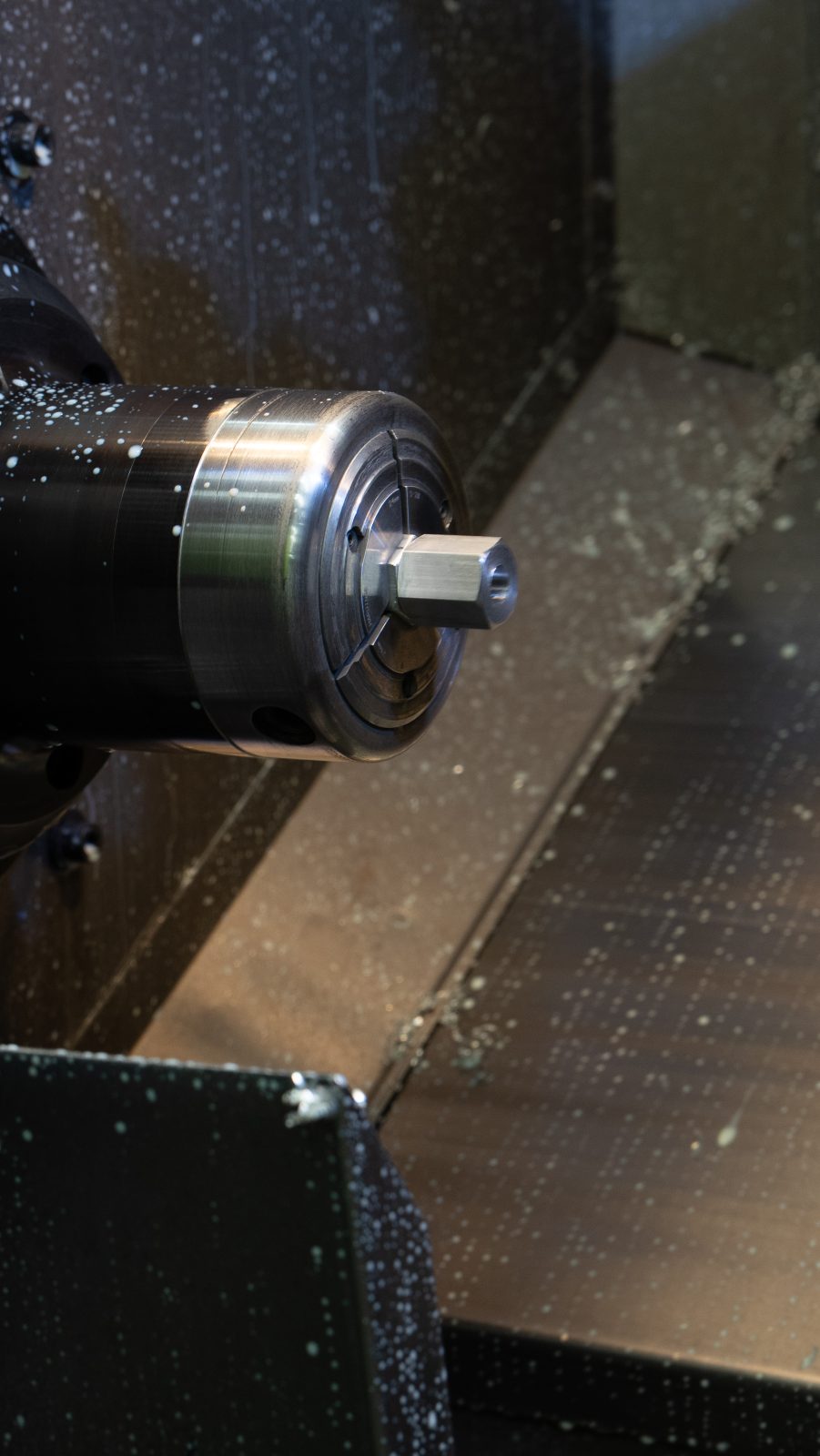
Turning and milling for machined metal features and components that complement fabricated parts.
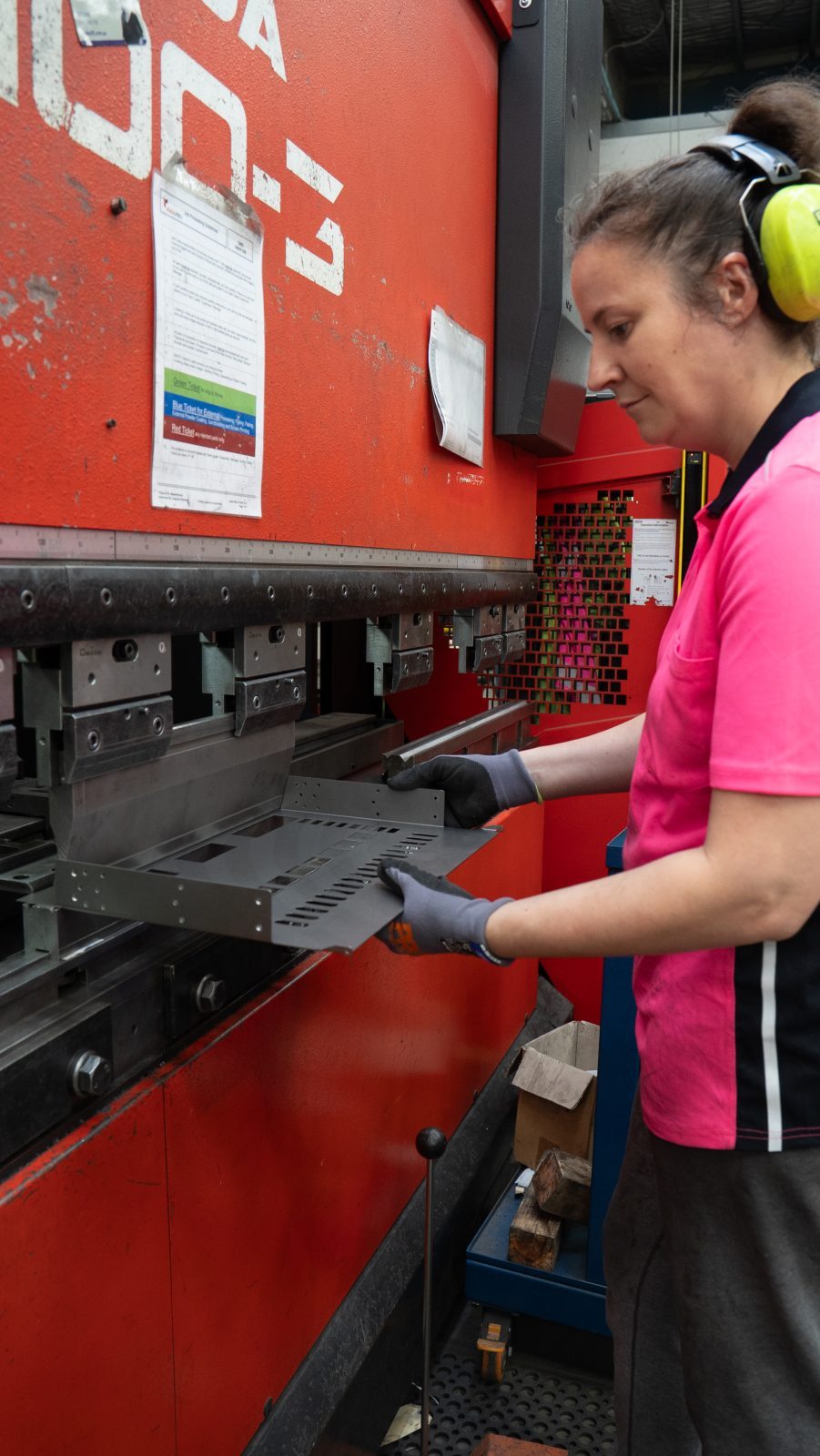
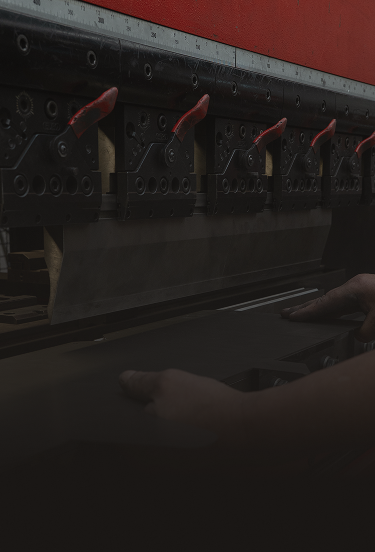
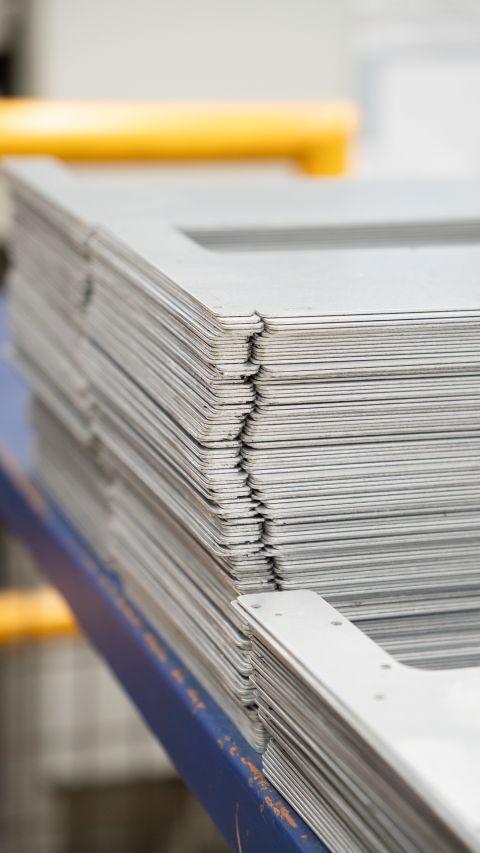
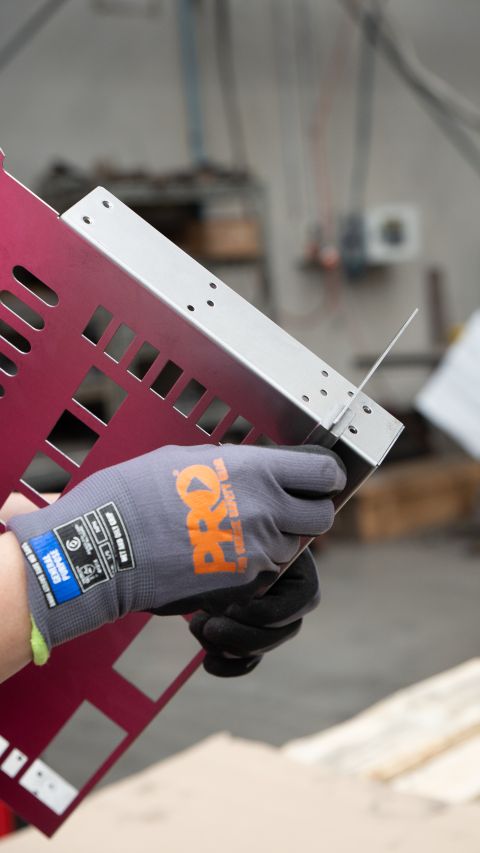
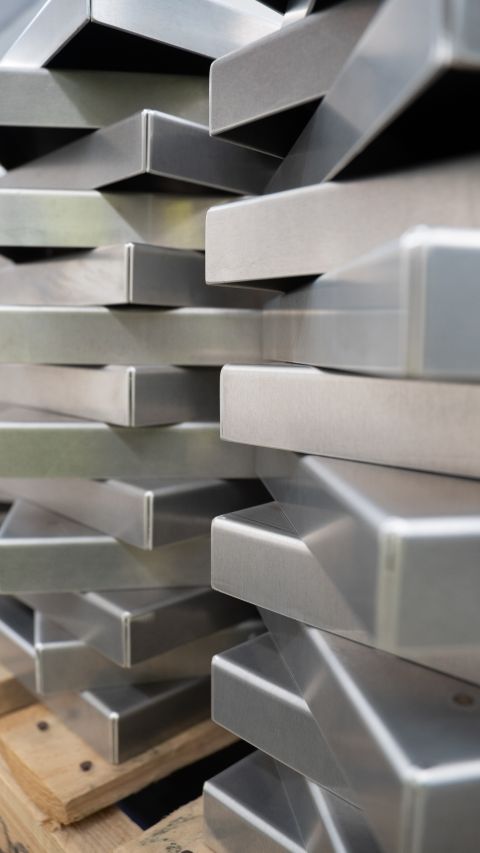
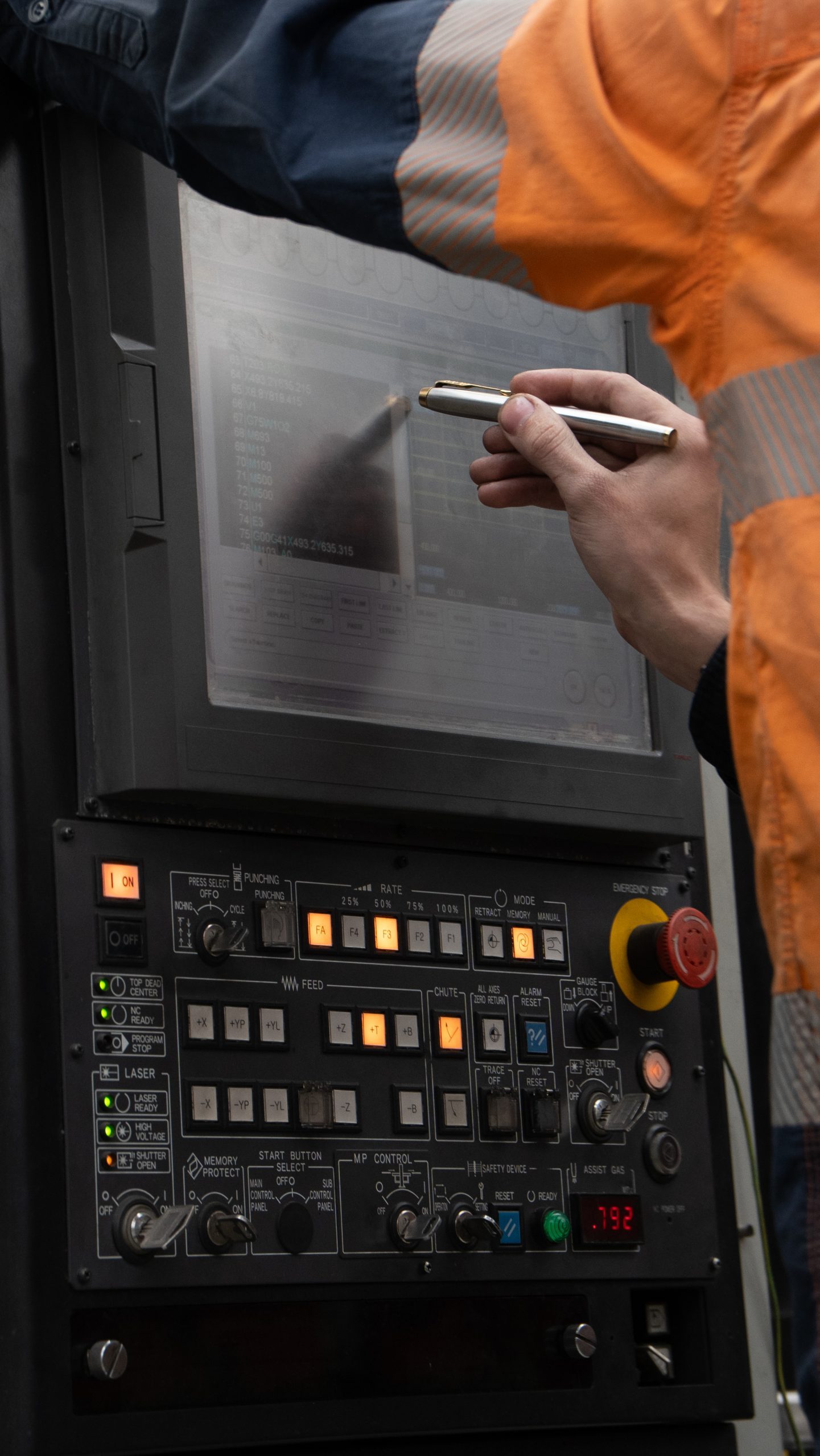
Amada CNC laser cutting, turret punching and press brake folding, with robotic, TIG, MIG and spot welding for joining.
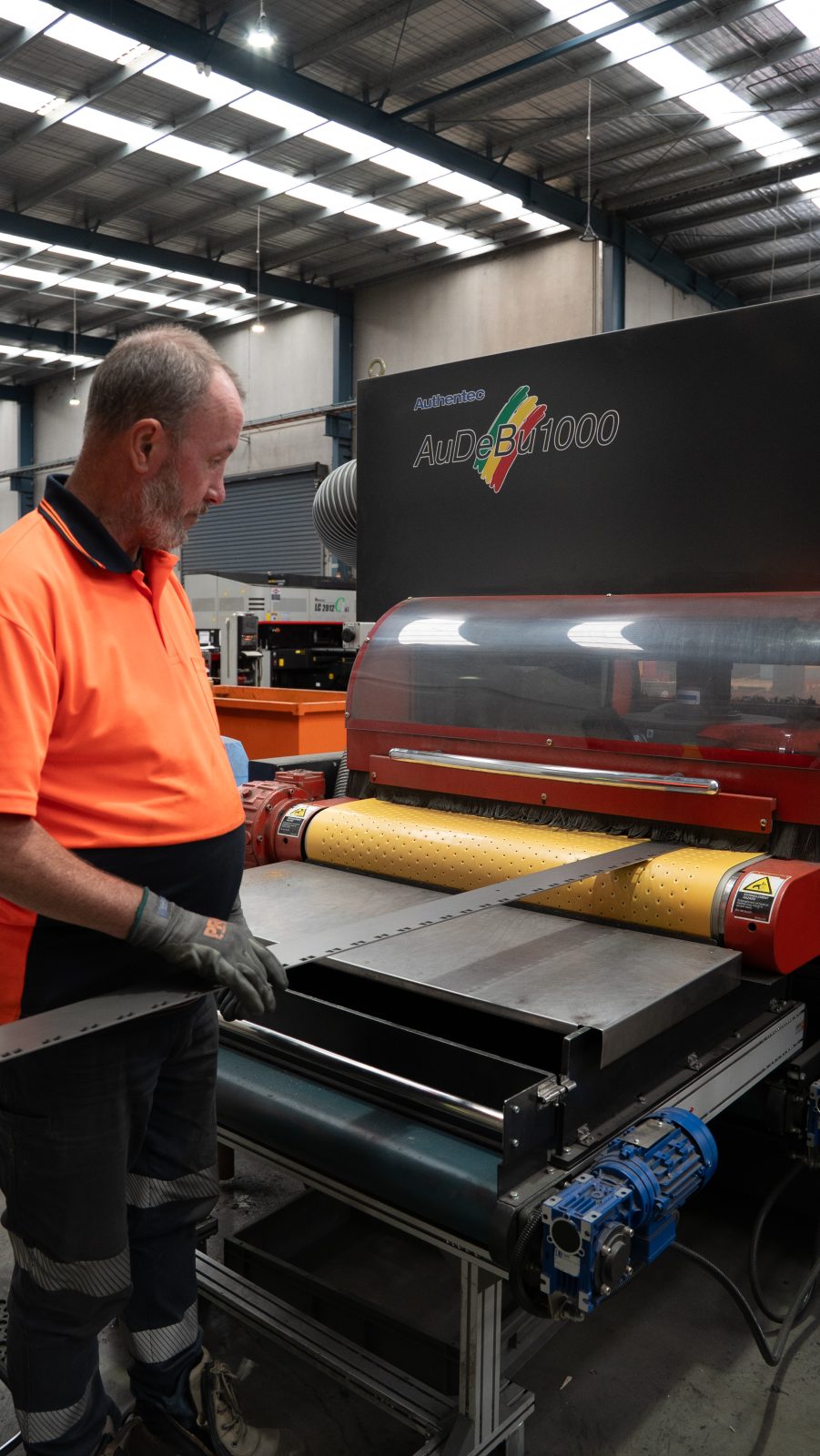
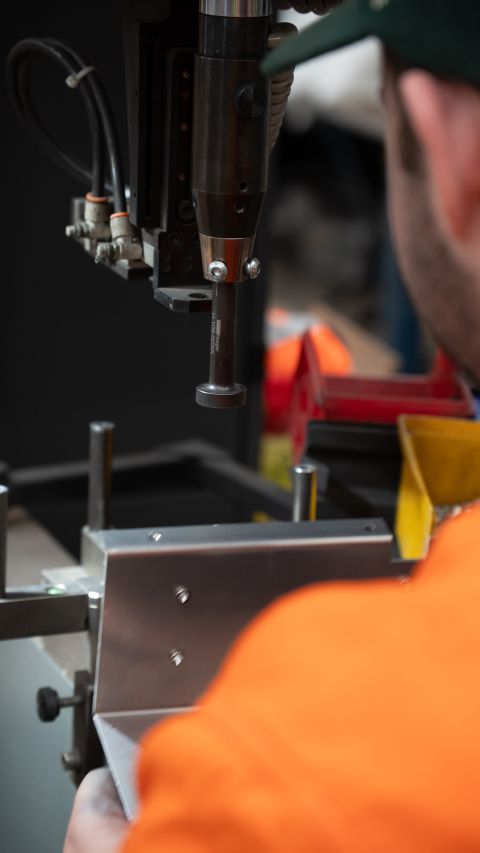
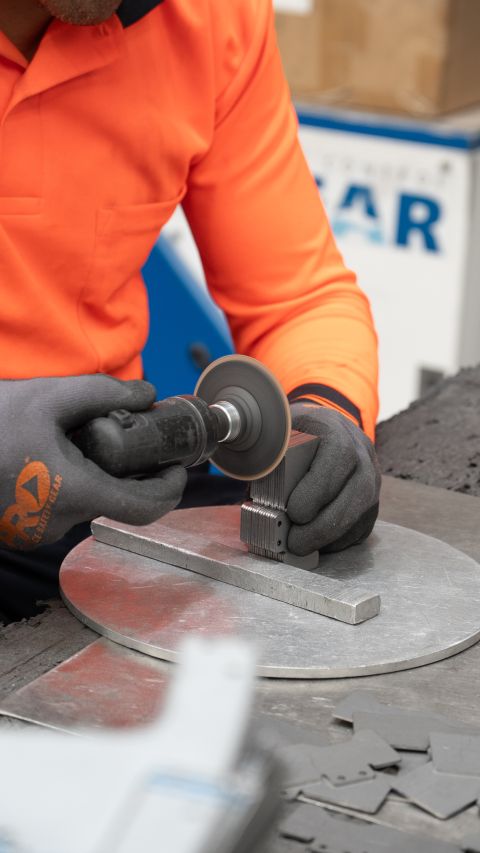
Deburring, powder coating, hardware insertion, mechanical assembly, functional testing and packaging, with specialist surface treatments coordinated through partners.
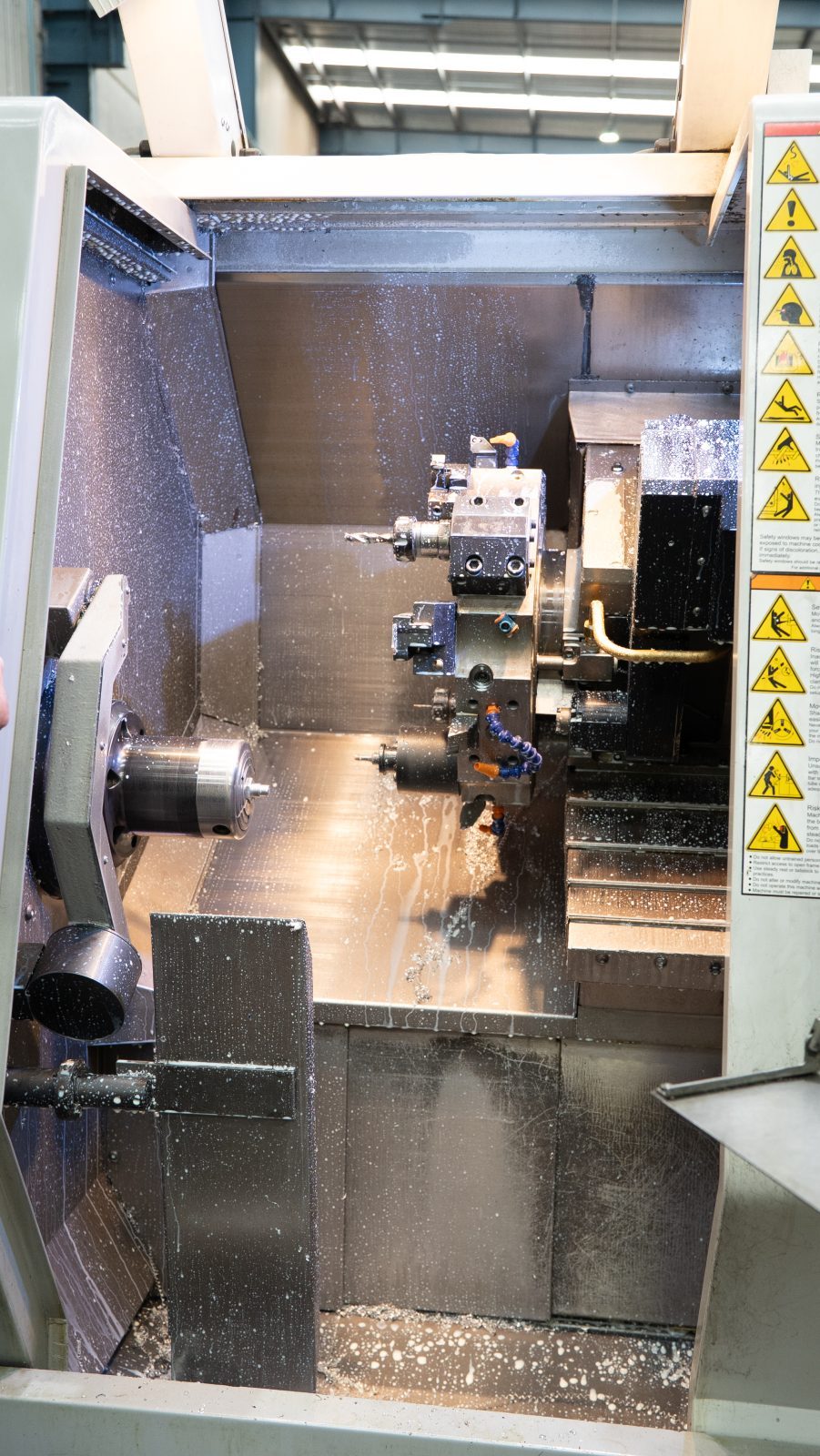
Our Haas CNC lathes and milling centres complement our sheet metal equipment by producing machined components such as bushings, spacers and custom fasteners in-house. CNC turning is suited to rotational features such as cylindrical surfaces, while milling creates features such as flats, slots and pockets using cutting tools.
Send us your component drawing, material requirements and quantity to establish which machining operations are suitable for your project. Capacity and achievable tolerances are assessed against the individual part.
Workflow
Machined and sheet metal components can be planned together around their mating features, rather than specified as unrelated parts. For an assembly enquiry, provide both the individual component drawings and the assembly requirements so the manufacturing methods can be reviewed in context.
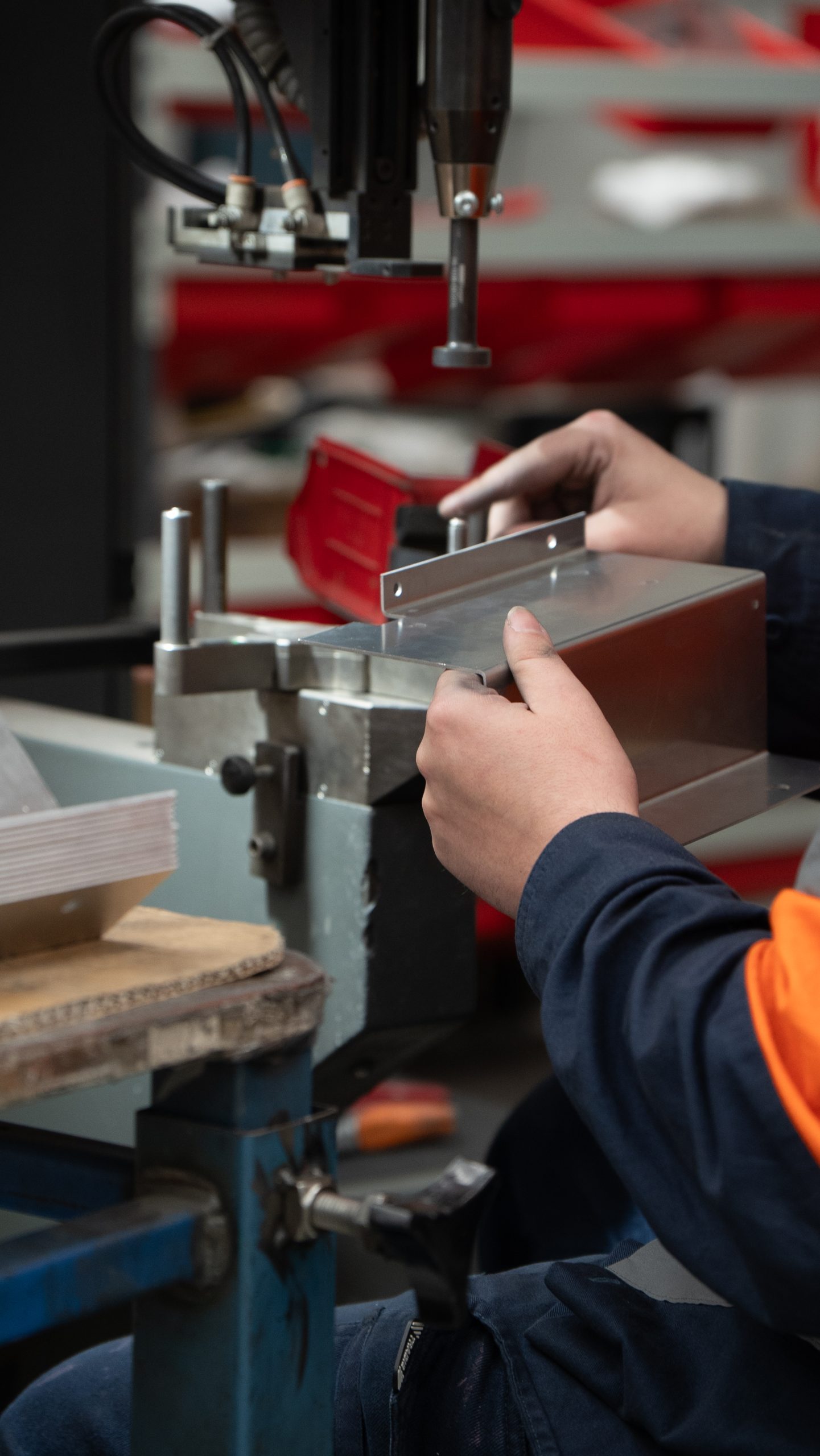
Specify the spacing, hole alignment and finished fit at the interface between the machined and formed components. Agree these requirements before ordering the individual parts so the team can assess whether the assembly can be produced as designed.
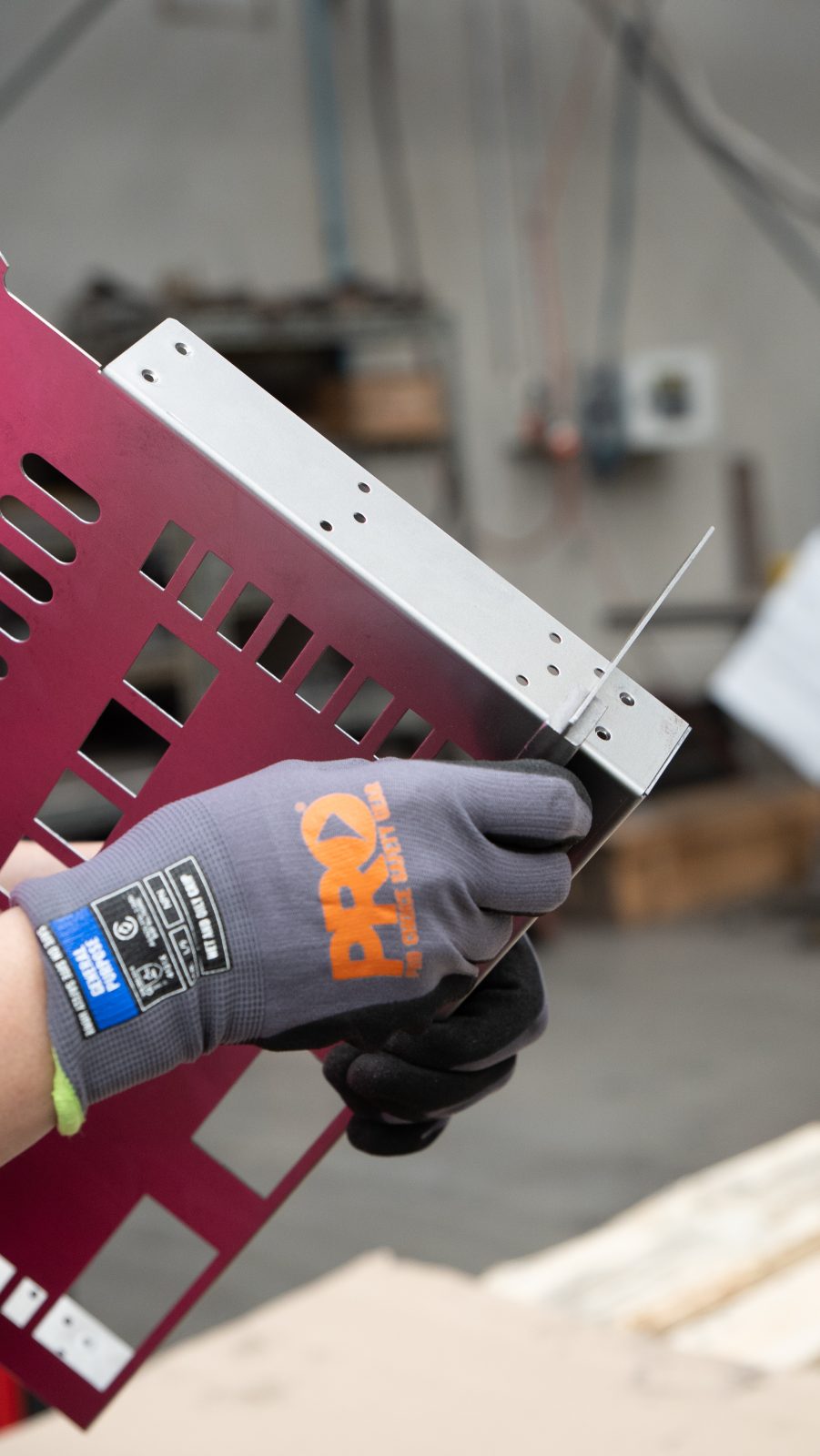
Choose the process according to the component geometry and functional features. CNC machining removes material from a workpiece, while sheet metal fabrication cuts and forms flat sheet into a required shape.
Process comparison
The choice also depends on tolerances, finishing, quantity and how the part is assembled. Neither process is automatically more economical or more accurate for every design. For flat-sheet components, see our sheet metal fabrication service.
| Decision factor | Precision machining | Sheet metal fabrication |
|---|---|---|
| Starting material | Solid workpiece suited to machining | Flat sheet of specified grade and thickness |
| Typical features | Cylindrical surfaces, pockets, slots | Cut profiles, bends, flanges, holes |
| Amapro examples | Bushings, spacers, custom fasteners | Brackets, panels, cabinets, chassis |
| Combined requirement | Machined features or locating parts | Formed structure that mates with machined parts |
A coordinated manufacturing workflow can include the following stages.
Identify mounting positions, critical clearances, fastening requirements and how the components must fit together.
Identify the features that require CNC turning or milling and those better suited to cutting, punching or folding sheet metal.
Manufacture the individual parts using the agreed processes, coordinating any welding and secondary operations.
Select compatible surface treatments, insert hardware and assemble components as required.
Verify agreed dimensional, finish and fit requirements before delivery.
Components
Amapro manufactures customer-specific machined components, sheet metal parts and assemblies rather than a fixed catalogue of products. Examples include:
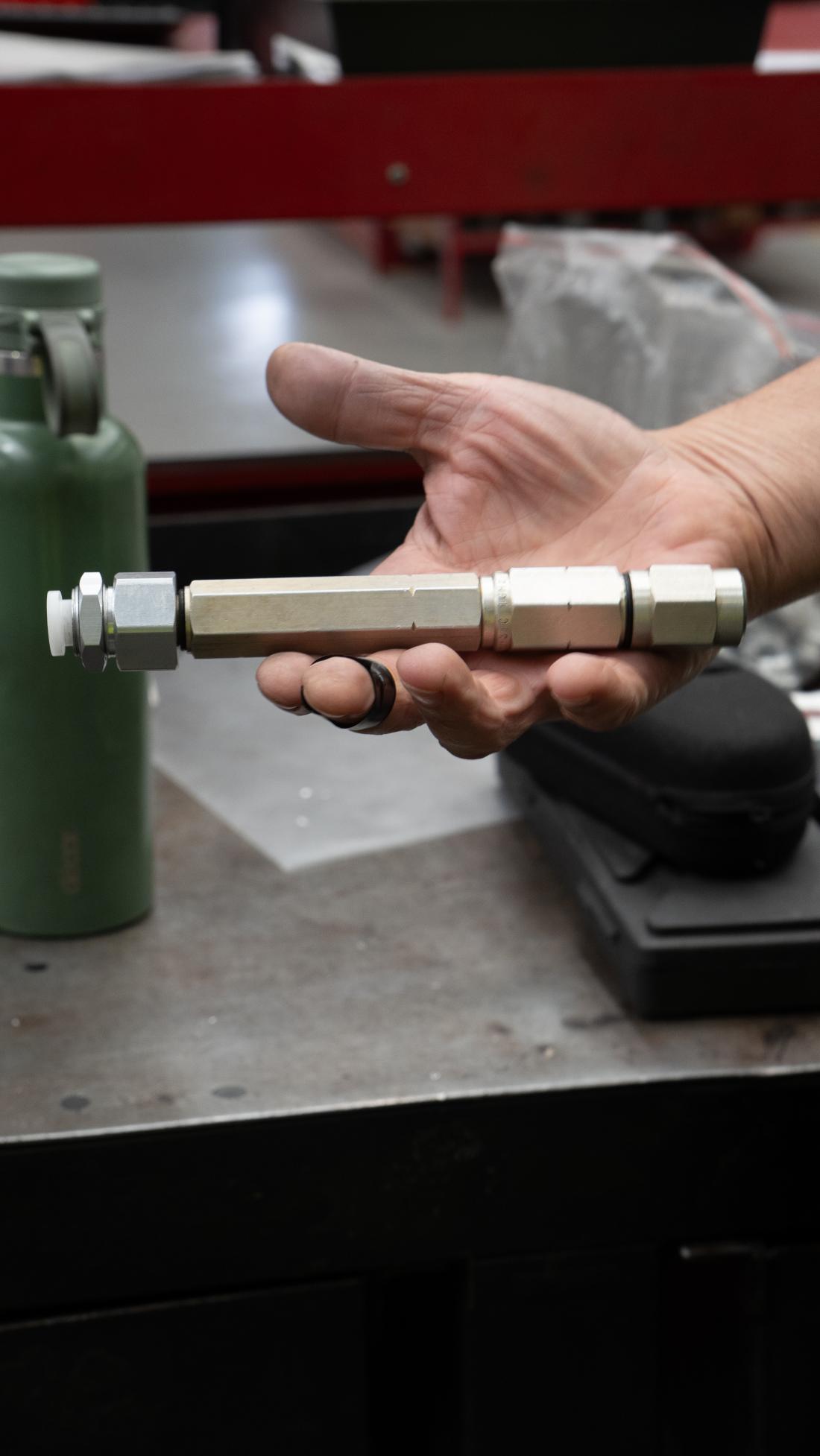
Bushings, spacers and custom fasteners.
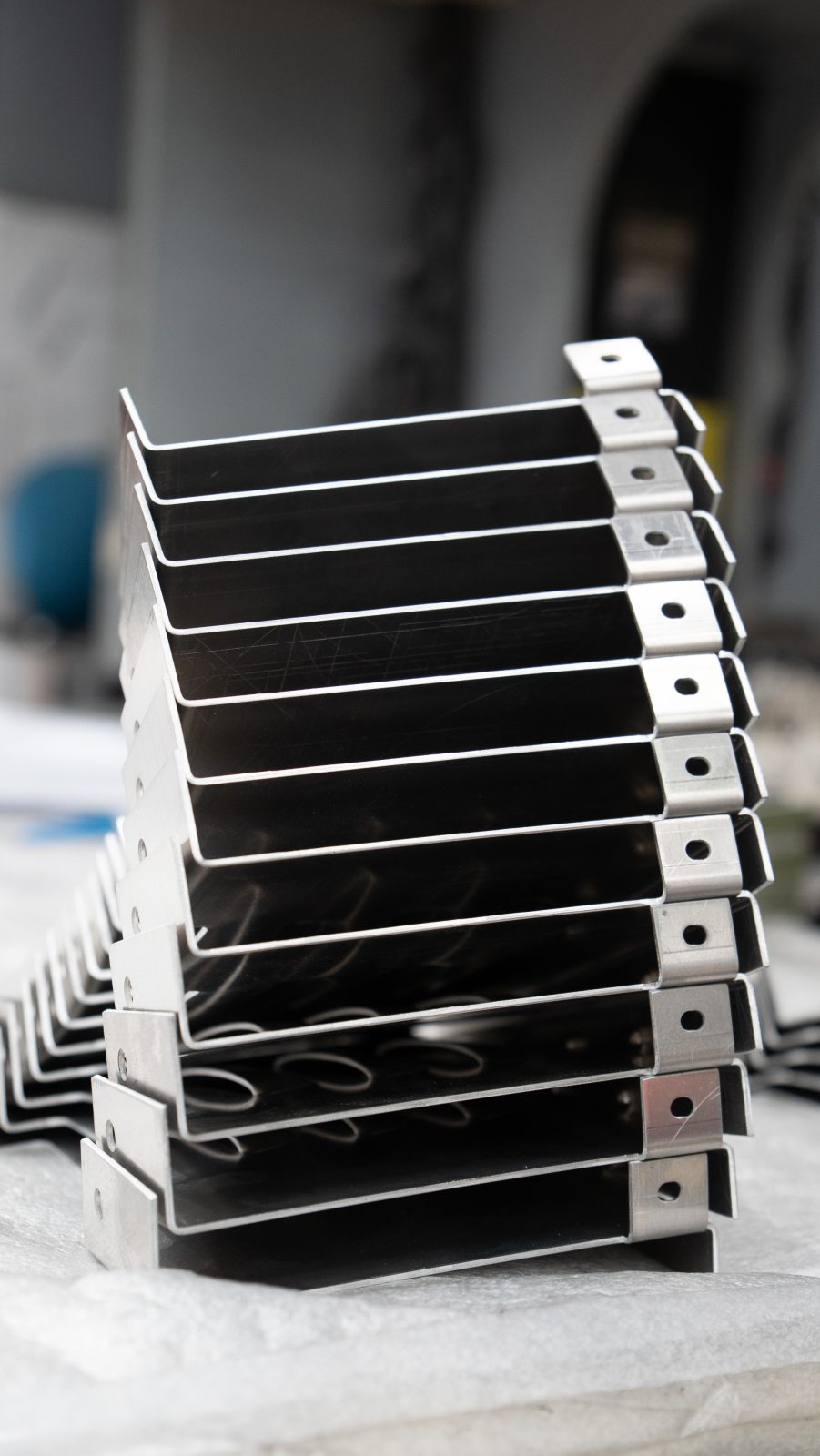
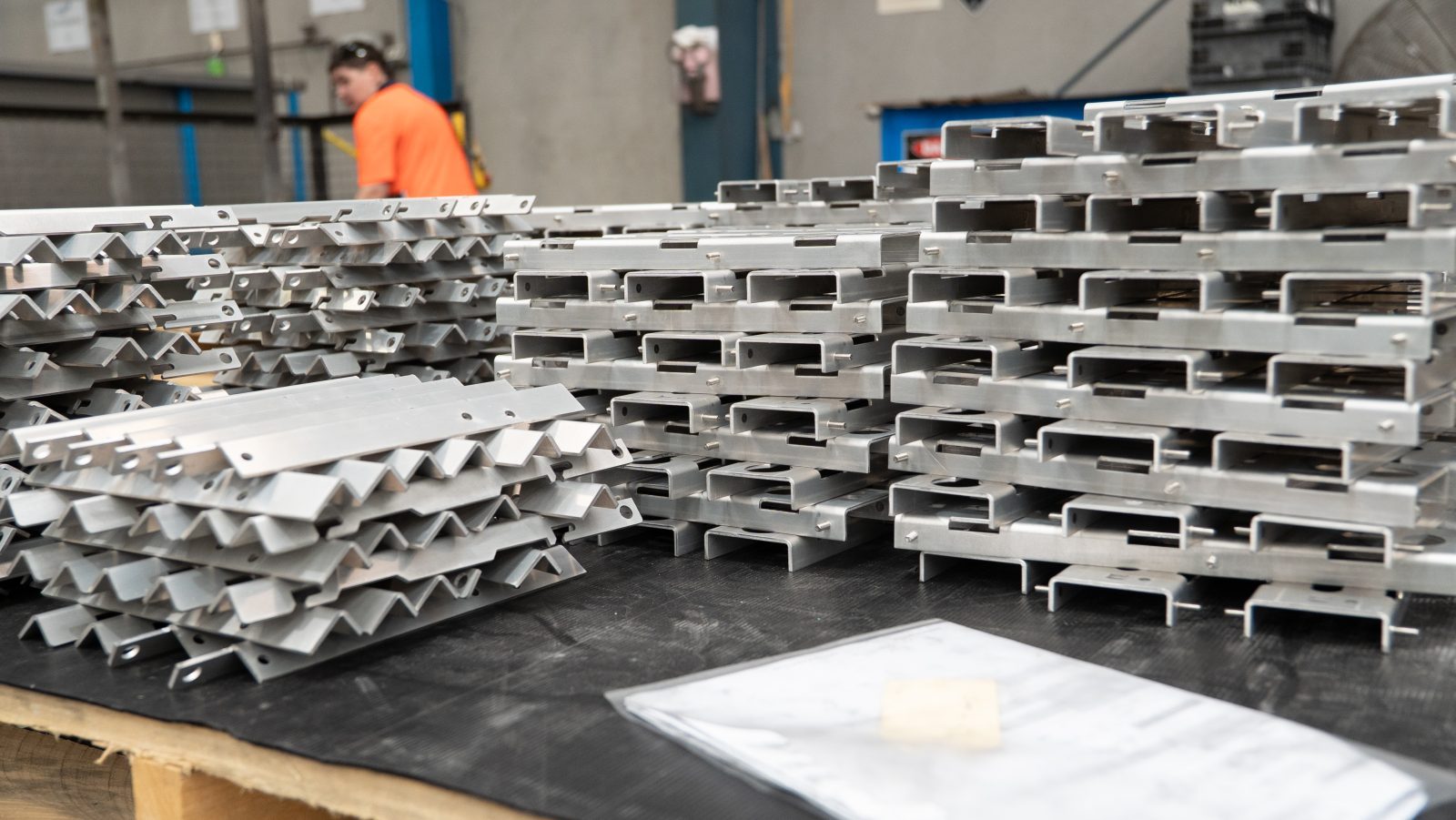
Panels, mounting brackets, chassis, covers and equipment housings.
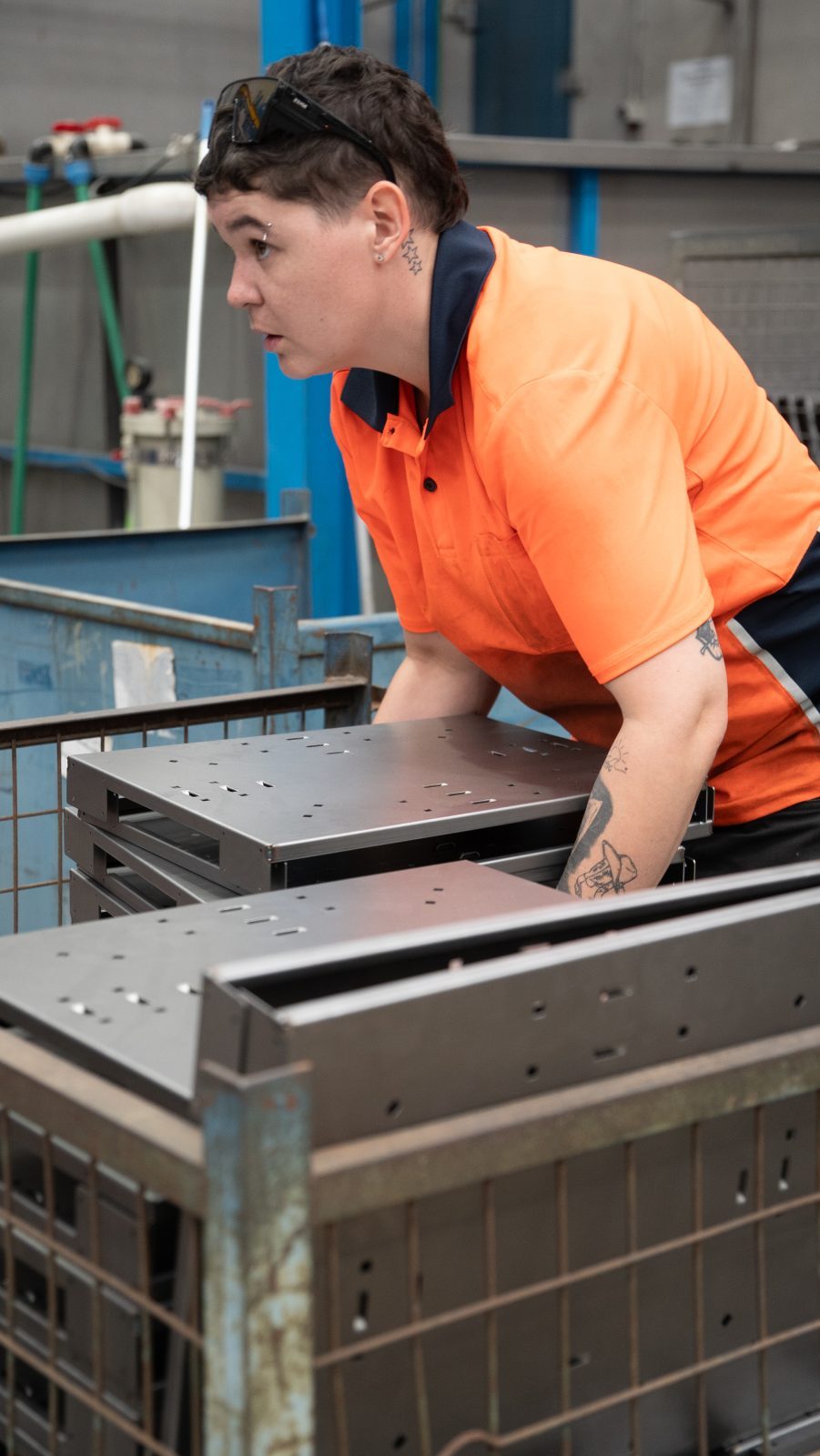
Cabinets, enclosures, equipment shelves and rack structures, with joining, hardware and finishing selected to suit the design.
For sheet metal work, aluminium and stainless steel grades such as 304 and 316 can be considered according to weight, corrosion resistance and forming requirements. Specify the required grade separately for each machined or fabricated part; material suitability depends on the manufacturing process and application. For material-specific work, see aluminium fabrication and stainless steel fabrication.
Amapro supports Australian businesses across telecommunications, automotive, data centre and retail point-of-sale applications. Our project portfolio includes Warren & Brown Technologies, NCR, C-COR Broadband and Beak Alliance. Whether your project involves equipment mounting, an enclosure or a custom component, share the intended application and assembly requirements so we can review its manufacturing needs. Explore our industry projects for examples of our work.
Precision manufacturing tolerances are agreed against the component drawing and the manufacturing process before production. There is no single tolerance that applies to every machined, cut, formed or welded feature. Material, sheet thickness, feature geometry, manufacturing method and finishing can all influence the achievable result. Identify the dimensions that affect function or assembly, such as hole positions, mating surfaces or mounting clearances, distinguish these from non-critical dimensions, and specify the required acceptance criteria. If the drawing contains a particularly tight tolerance, we can review its feasibility during quotation rather than assume it applies to every feature. For assemblies, clarify whether a dimension must be met before finishing or on the finished part. The tolerance shown on a drawing is a requirement; it becomes an agreed manufacturing specification once feasibility and acceptance requirements are confirmed.
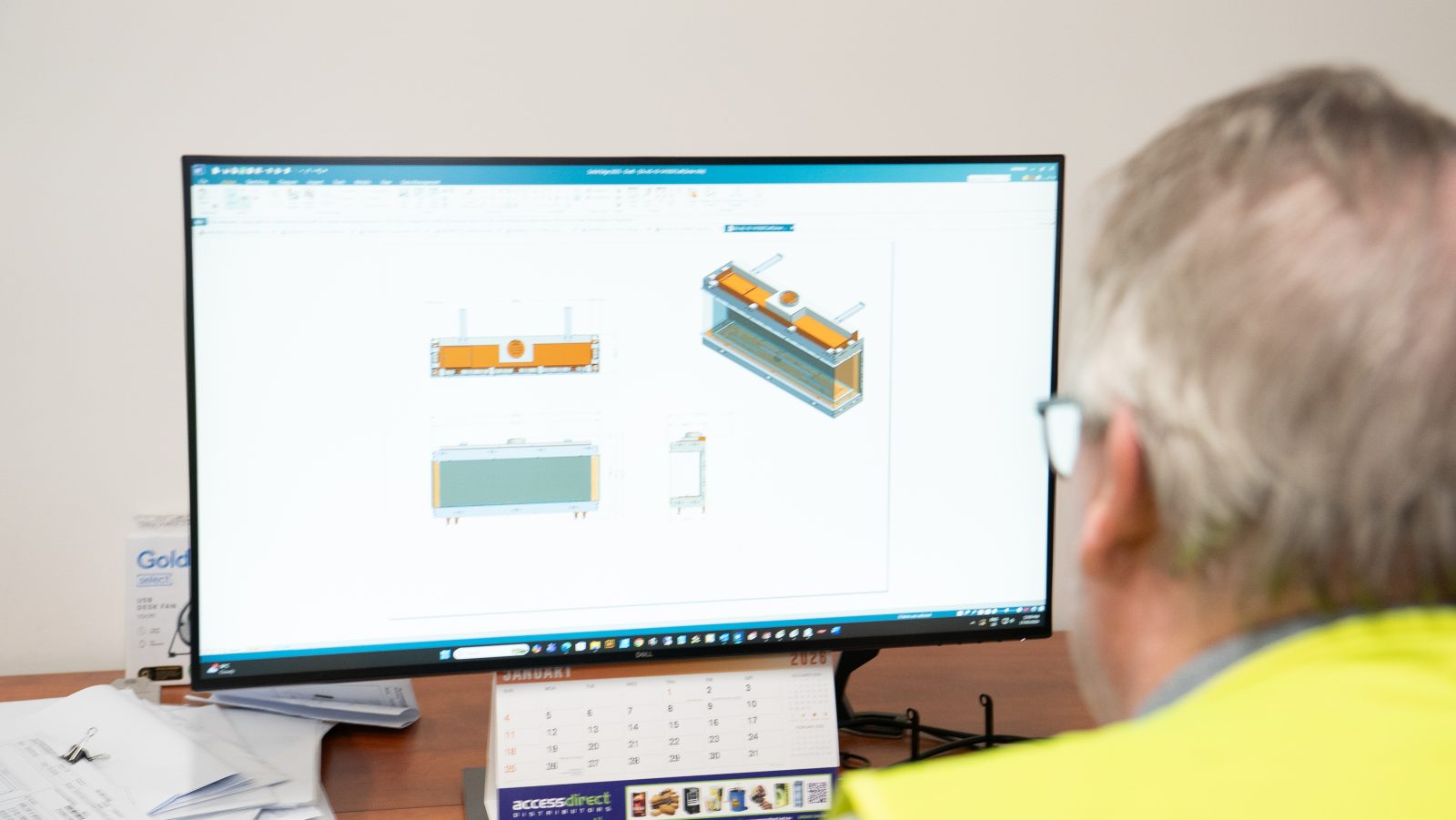
Critical dimensions are agreed against your drawing before production.
Request a quoteAmapro checks manufactured parts against the agreed specification, including dimensional accuracy, finish and fit. During drawing review, identify which characteristics need checking and what acceptance criteria apply to them. For a component that must locate within an existing assembly, specify how the fit will be assessed. If the buyer requires a particular measurement method, sampling plan or inspection report, agree that requirement before production. The appropriate inspection method depends on the part and its specification.
Coatings can affect assembly fit by adding thickness to treated surfaces. This matters where the design depends on a close-fitting bore, a threaded feature, a locating face or clearance between two components. Identify these features on the drawing and clarify the required finished dimension. Where appropriate, discuss coating allowance or masking with our engineering team before the manufacturing route is agreed. Do not assume an unfinished component that fits will have the same clearance after coating. Amapro provides in-house powder coating and coordinates specialist plating and galvanising through partners. Finish selection and any fit-sensitive requirements are reviewed for the specific project.
Inspection and traceability requirements can be discussed during quotation so the purchase order specifies what evidence is needed alongside the manufactured parts. If your quality system requires particular records, include these in the enquiry where applicable: critical characteristics and their acceptance criteria; the required inspection method, frequency and reporting format; material grade and any required material documentation; and the part number, drawing revision and any required batch or lot reference. Confirm the availability and scope of the requested documentation with Amapro before placing the order. These records are agreed project deliverables, not included with every job by default.
Prototype to production
Amapro can develop a precision component from an early concept through prototyping and into repeat production.
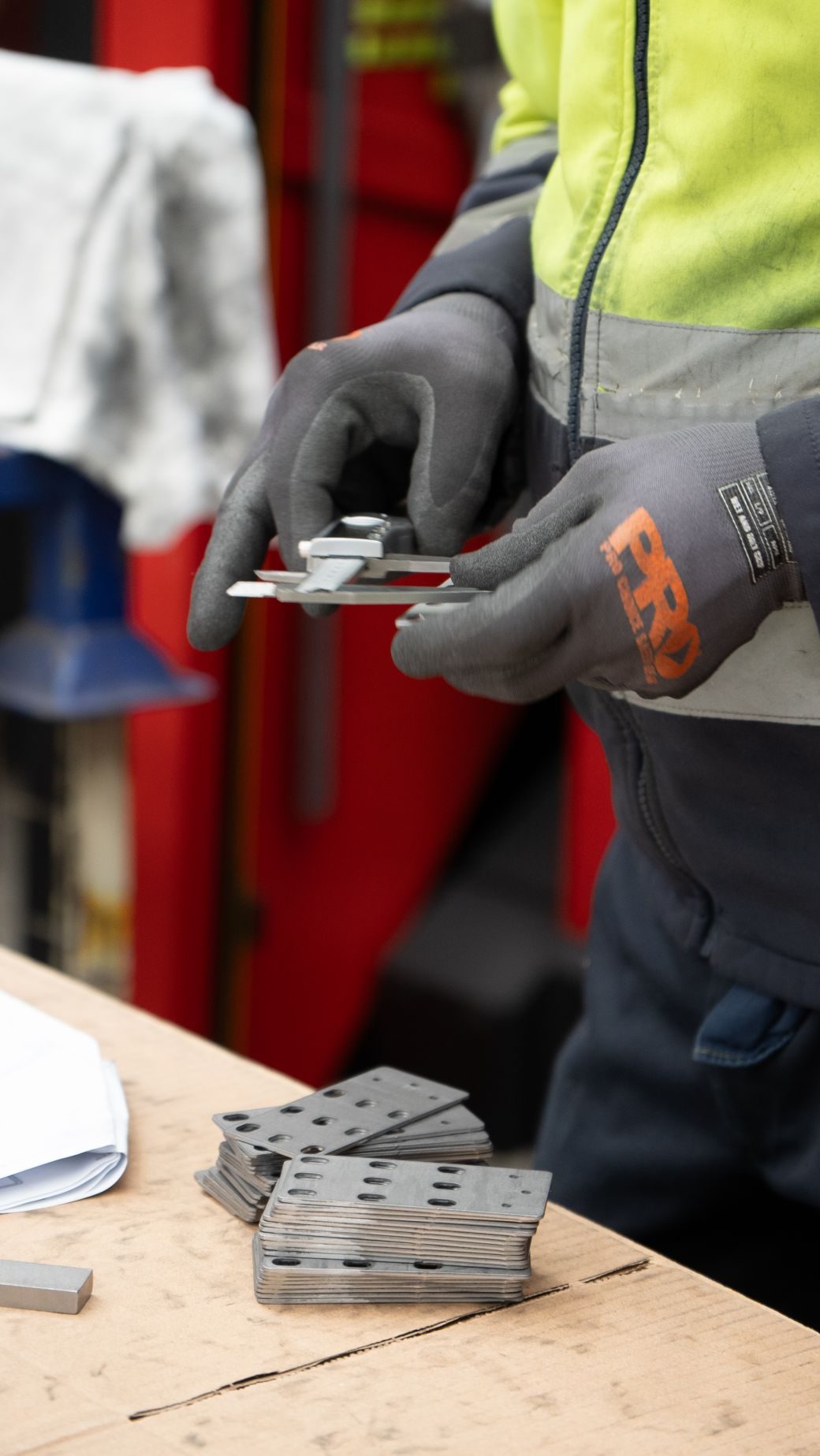
The prototype provides an opportunity to assess geometry, fit and assembly access before committing to a production batch. Our engineering team reviews the drawing or model for manufacturability and can produce a prototype for evaluation.
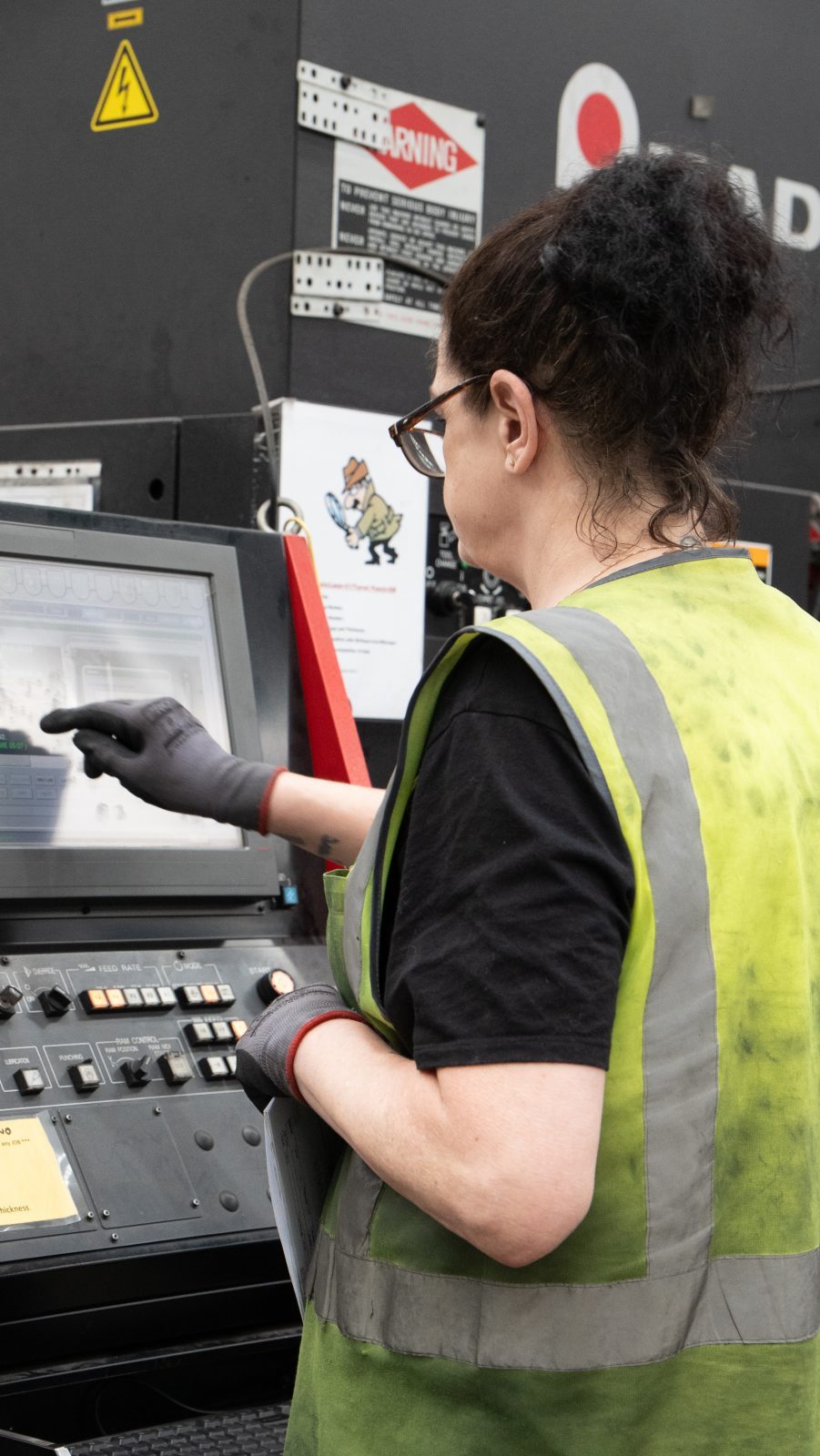
Any agreed design changes can then be incorporated into the production drawing. Once the specification, quantity and timing have been confirmed, the components can progress to production and checks against the agreed requirements.
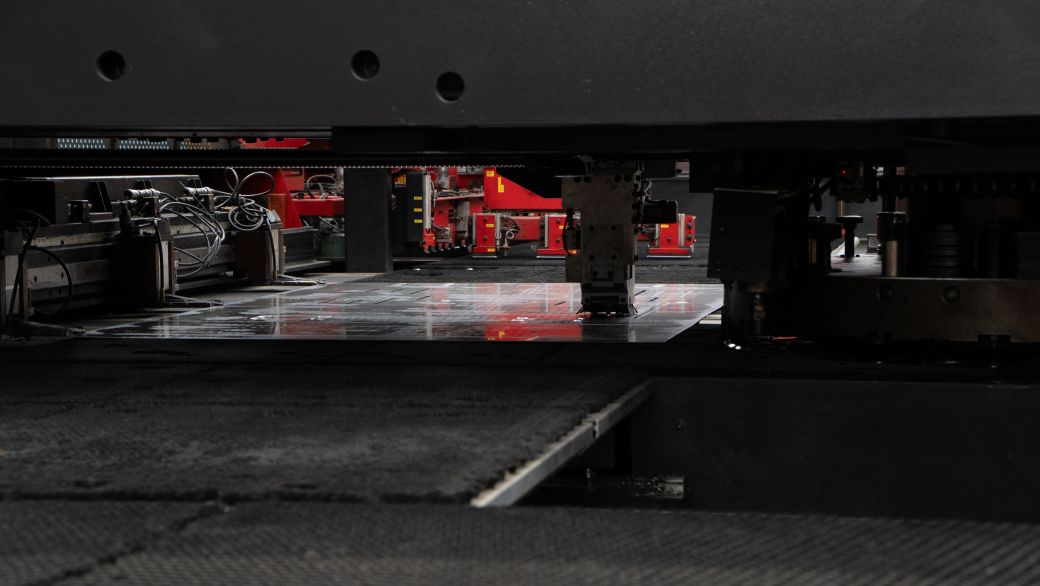
For repeat orders, provide a batch forecast and identify the specification that was accepted for the previous run. If the part has changed, review the revised requirements before releasing the next order.
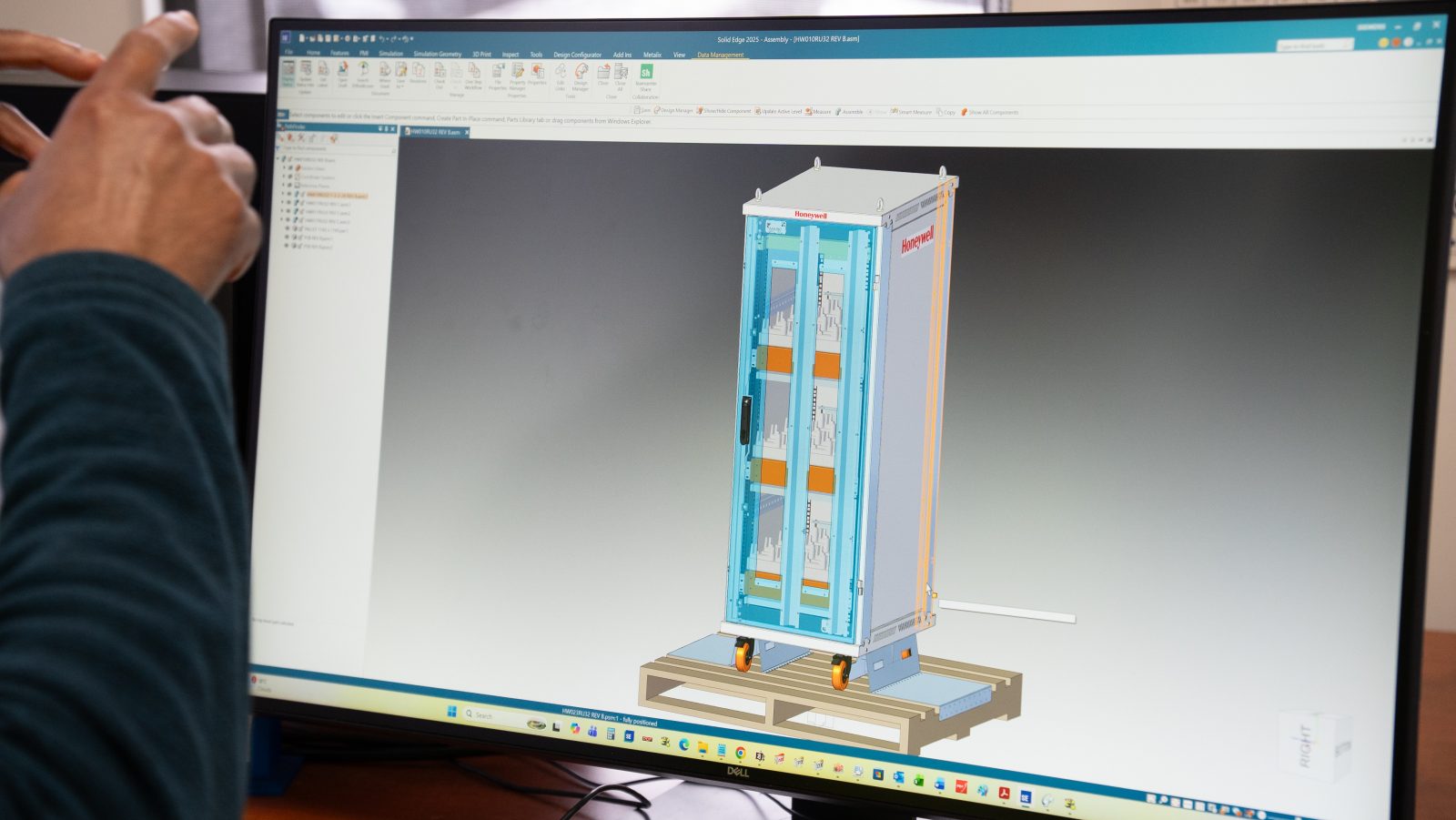
For repeat manufacturing, the current drawing revision should identify the specification to be used for the next batch. Amapro can incorporate agreed design changes into the production drawing, including changes identified during prototype evaluation. When requesting a repeat order, state the part number and revision, highlight any changed dimensions or material and finish requirements, and confirm which revision the order refers to. If a change affects fit, agree whether a new sample or additional checks are needed before repeat production. This avoids relying solely on the previous order when the design has changed.
Quoting
A precision manufacturing quote starts with the component specification, quantity and required delivery timing. For a mixed assembly, include the overall assembly drawing as well as drawings of the individual parts. Provide the following information where available:
Accepted drawing and model formats for our fabrication enquiries include STEP, STP, DXF, DWG, IGES and PDF. If you are still developing the design, a sketch or sample can start the conversation. Contact Amapro to discuss your manufacturing quote.
Questions
Cost, timing, samples, delivery, finishing, files and repeat batches.
Precision manufacturing costs depend on the individual design and the operations needed to meet its specification. The main drivers include material grade and quantity, part complexity, machining and fabrication operations, tolerances, finishing, inspection requirements and freight.
For comparable quotations, keep the material, drawing revision, finish and acceptance criteria consistent across suppliers. Indicate which tolerances are essential to fit or function so manufacturing options can be assessed without imposing unnecessary constraints. Final pricing is confirmed after project review.
Lead time is confirmed after Amapro reviews the component drawing, material availability, quantity and required manufacturing processes. Prototype iterations, specialist finishing, inspection requirements, customer approvals and delivery logistics can affect the schedule.
Include your required delivery date when enquiring. If an assembly needs parts delivered in stages, provide the required quantities and dates for each stage so the production schedule can be discussed.
Yes. Amapro offers reverse engineering and can use an existing physical sample as the starting point for a drawing. The intended function, material, critical dimensions and fit requirements must be established before manufacture, particularly if the sample is worn or damaged. The resulting drawing may need approval before production.
Yes. Amapro manufactures in Dandenong South and supplies customers across Australia. Provide the delivery destination, packaging requirements and target date when requesting a quote so freight or collection arrangements can be agreed.
Yes. Amapro coordinates zinc plating, electroless plating and galvanising through specialist partners. Powder coating, deburring, edge preparation and surface cleaning are handled in-house. Specify the required treatment and any finish-sensitive features so suitability and external processing time can be assessed.
Yes. STEP and STP files are accepted for fabrication enquiries, including laser cutting and sheet metal folding work. A STEP model can communicate component geometry, but include a current 2D drawing where available to show the specified tolerances, material, finish and critical features. Contact our team to arrange submission of your files.
Yes. Amapro supports repeat manufacturing across CNC machining and metal fabrication, with production quantities assessed according to the component geometry, material, processes and agreed requirements. Provide the expected batch sizes and order frequency so we can review the manufacturing route and capacity for your particular project.
Yes. An early concept, dimensioned sketch or physical sample can start a manufacturing enquiry. Tell us what the component must do, its approximate geometry, material preference, intended quantity and target date. A production-ready drawing or model may be required before final pricing and manufacture can be confirmed.
Get in touch with Amapro to discuss your precision manufacturing requirements. Call (03) 9794 7744 to discuss your project with our Dandenong South team.