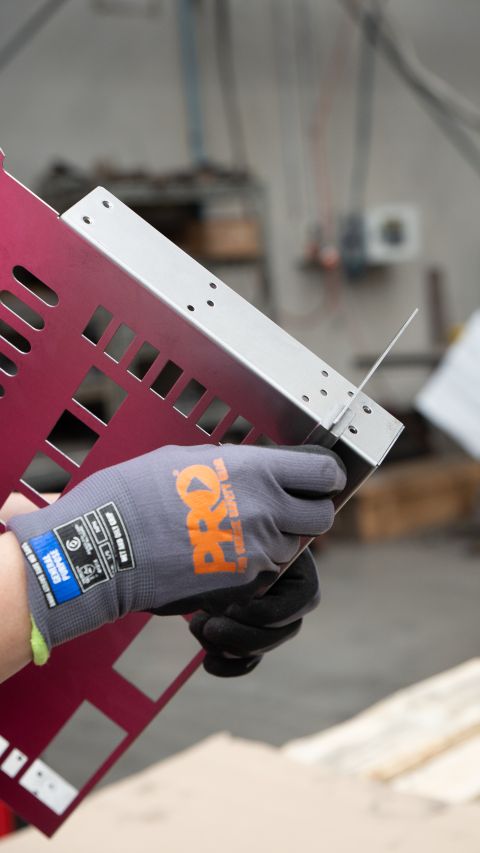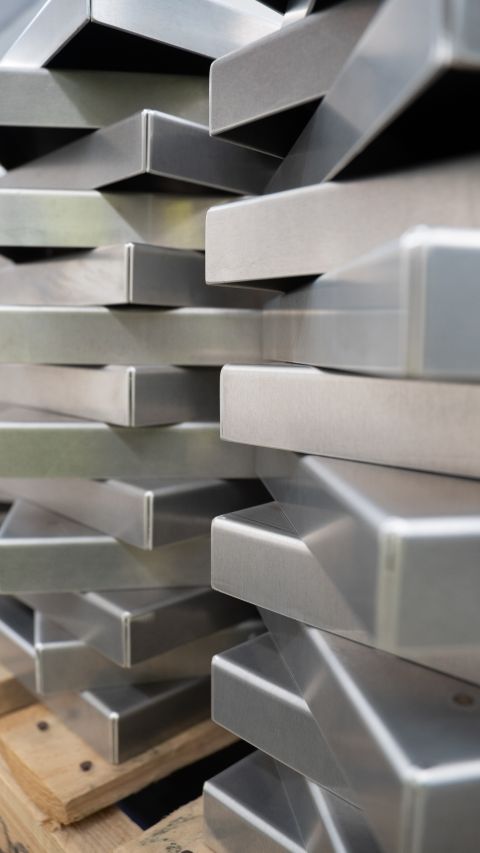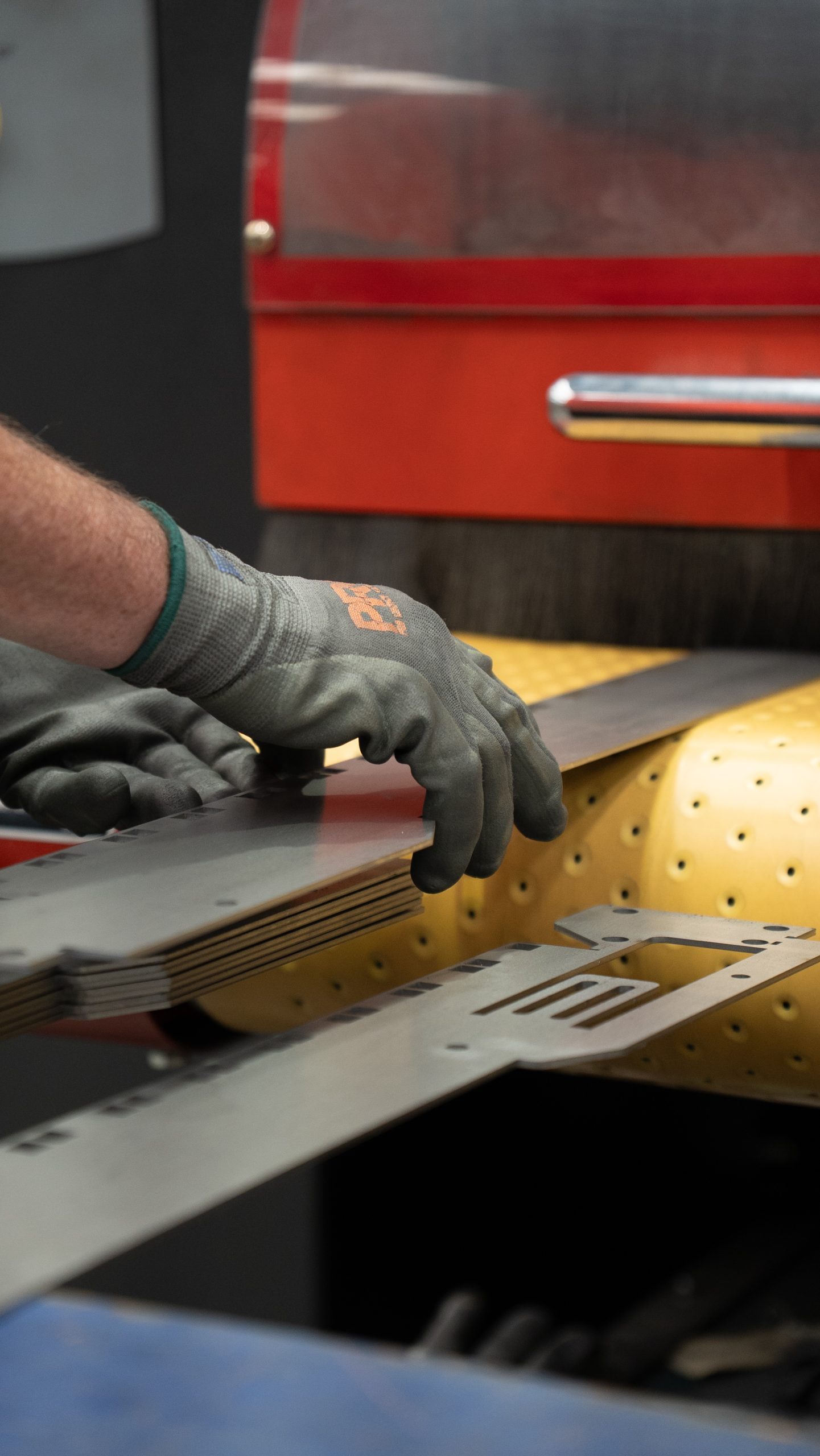
01
Drawing and requirements
Provide the part model or drawing, material, quantity and required finish.
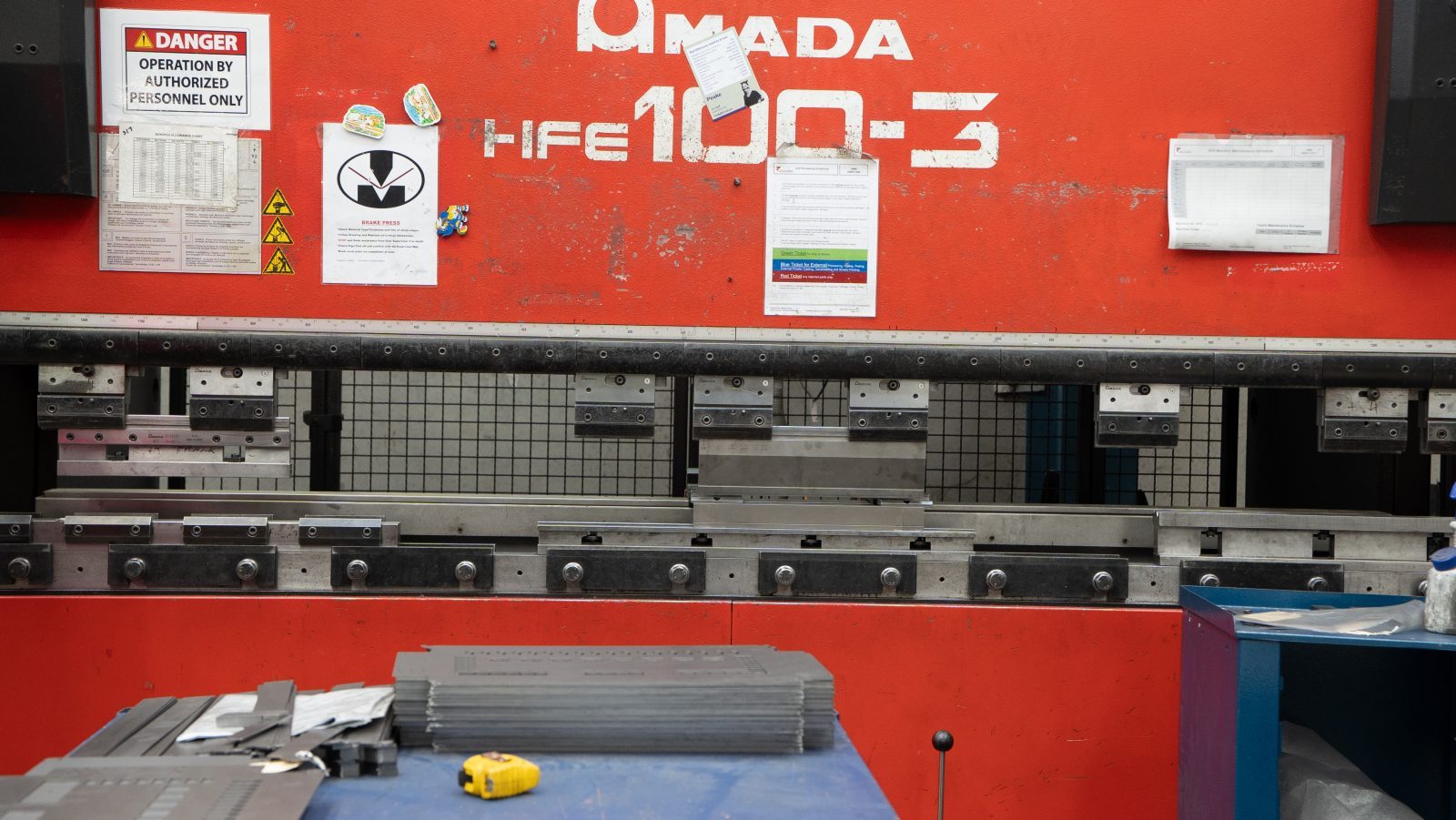
Amapro provides CNC press brake folding in Dandenong South, Melbourne, for engineers, OEMs and industrial manufacturers.
Services
CNC sheet metal folding forms flat metal into specified angles and profiles using a press brake and matched tooling. Explore our wider metal fabrication services for complete components and assemblies.
3 capabilities
The material, geometry and production requirements are assessed before manufacture. Whether your project requires folded parts or a completed assembly, we can review the required scope.
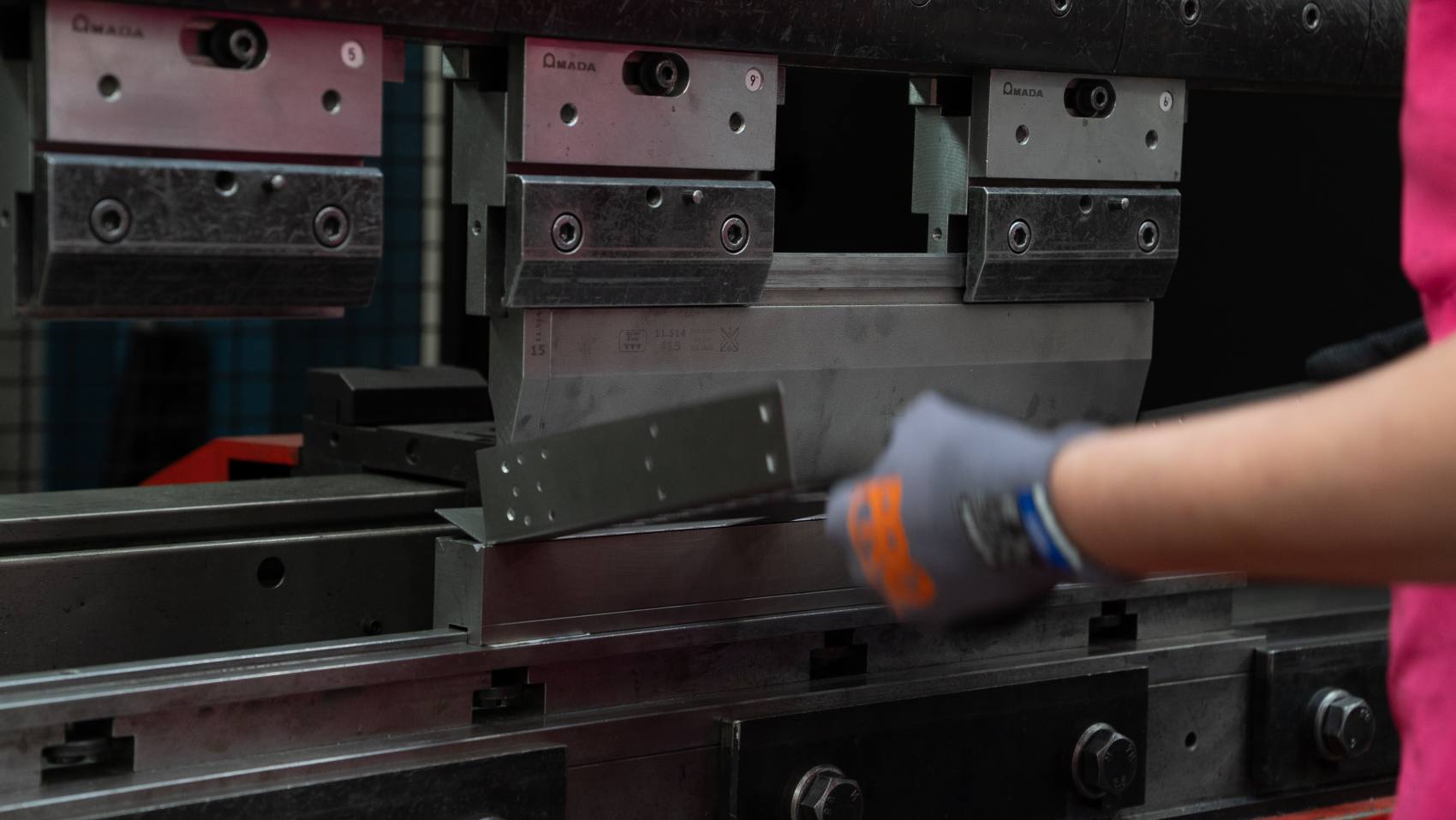
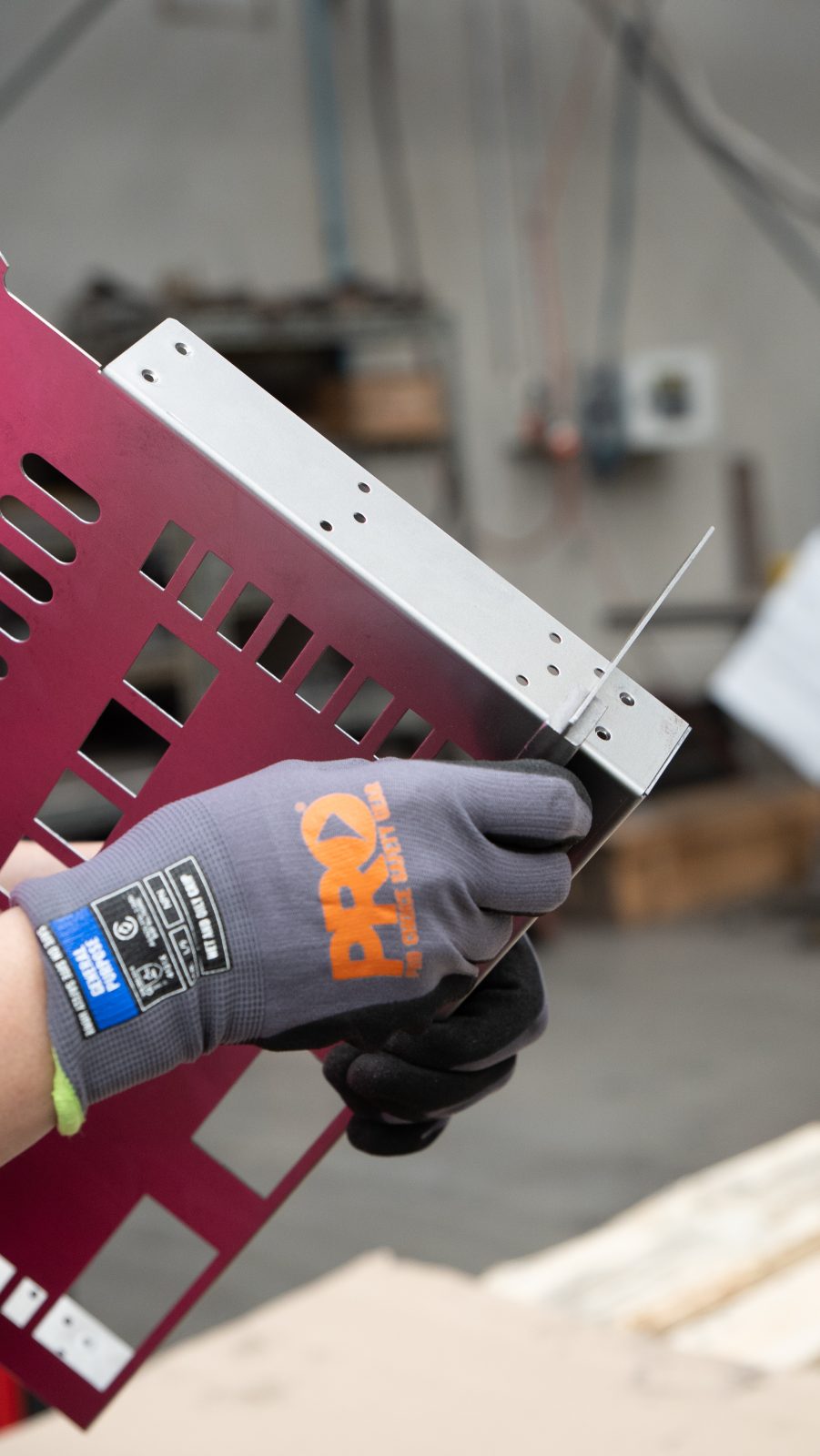
Where a component also needs cutting or punching, these processes can be incorporated into the manufacturing plan.
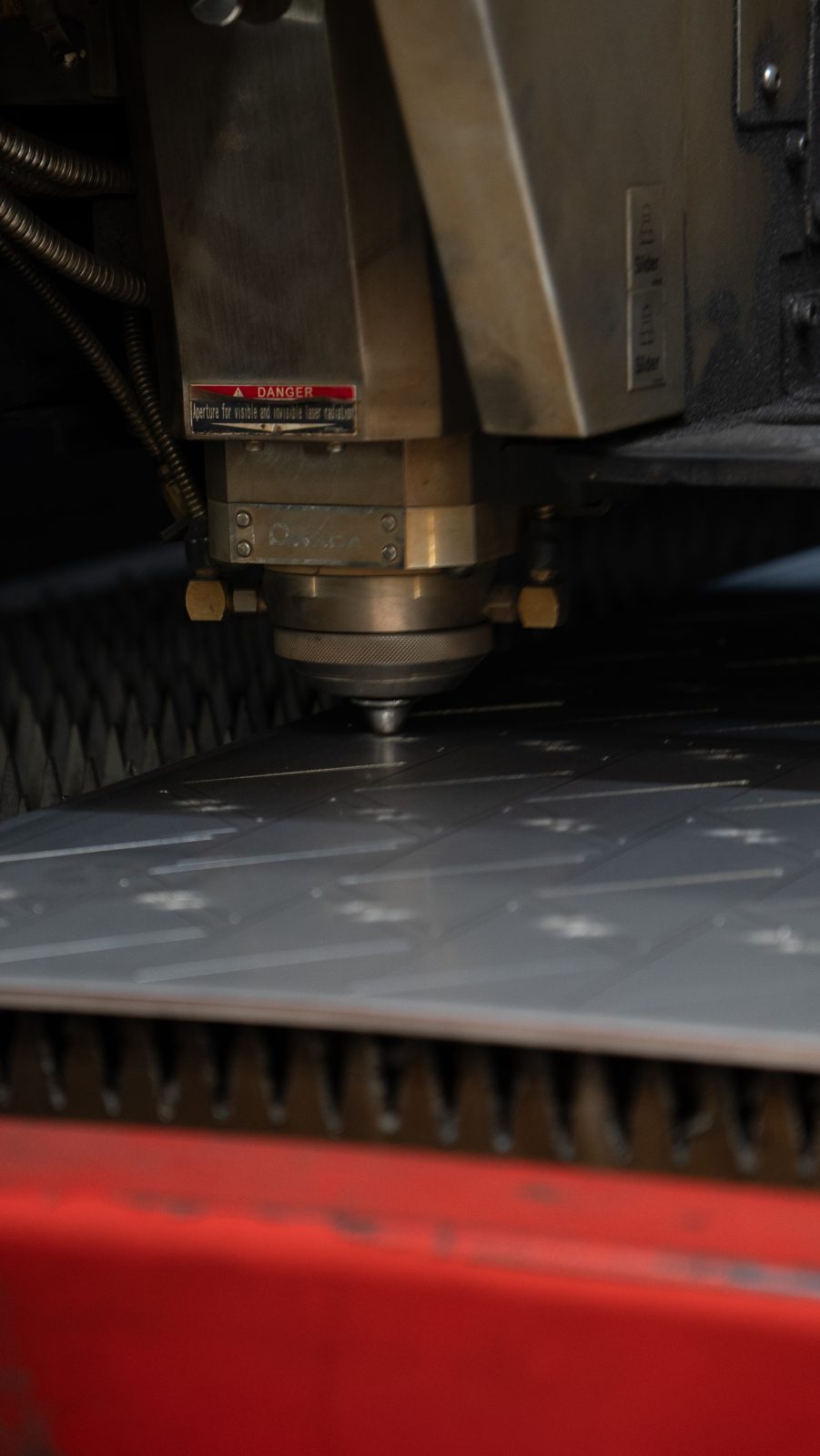
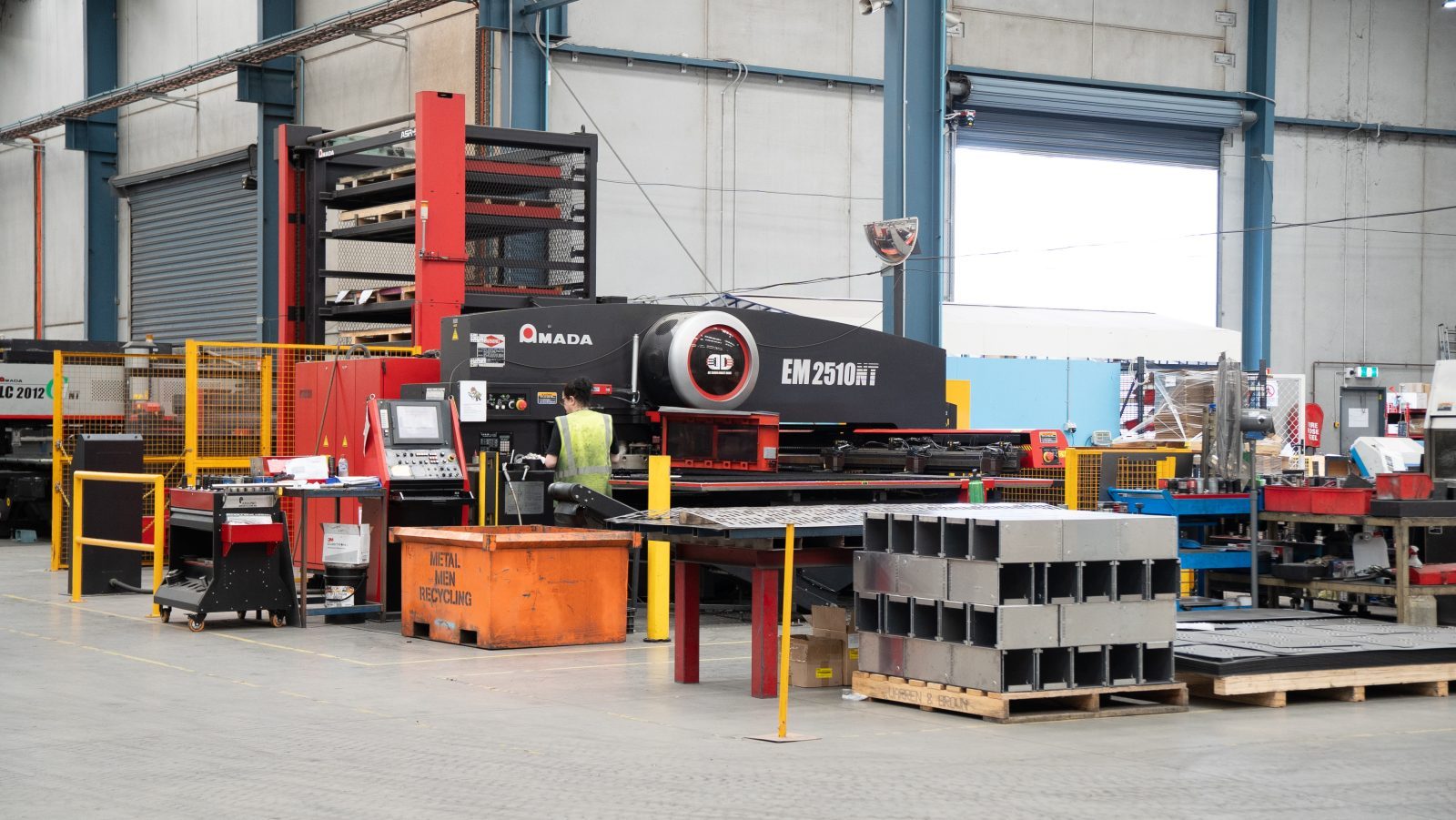
Where a component also needs welding or finishing, these processes can be incorporated into the manufacturing plan and checked against the agreed quality requirements.
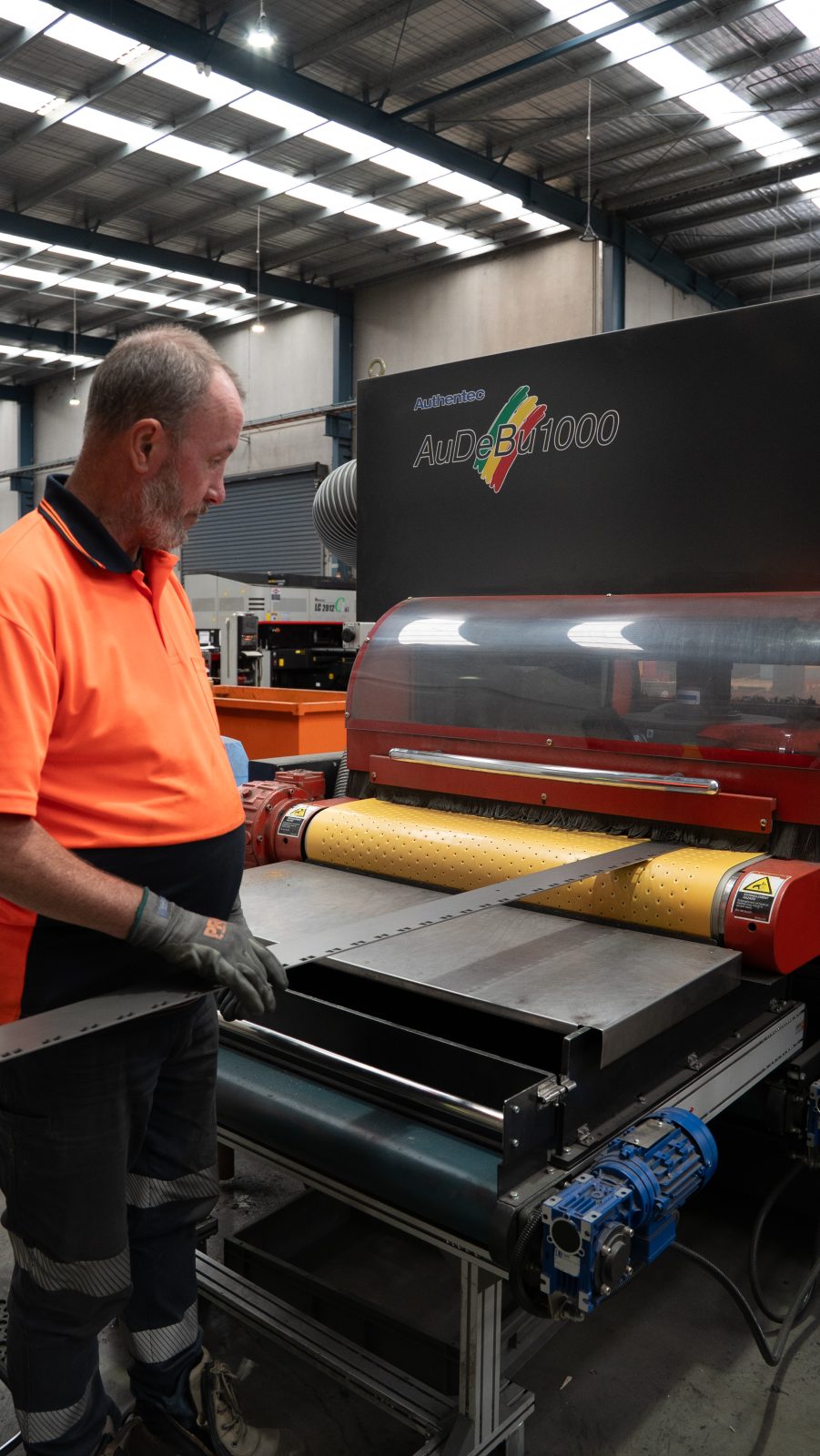
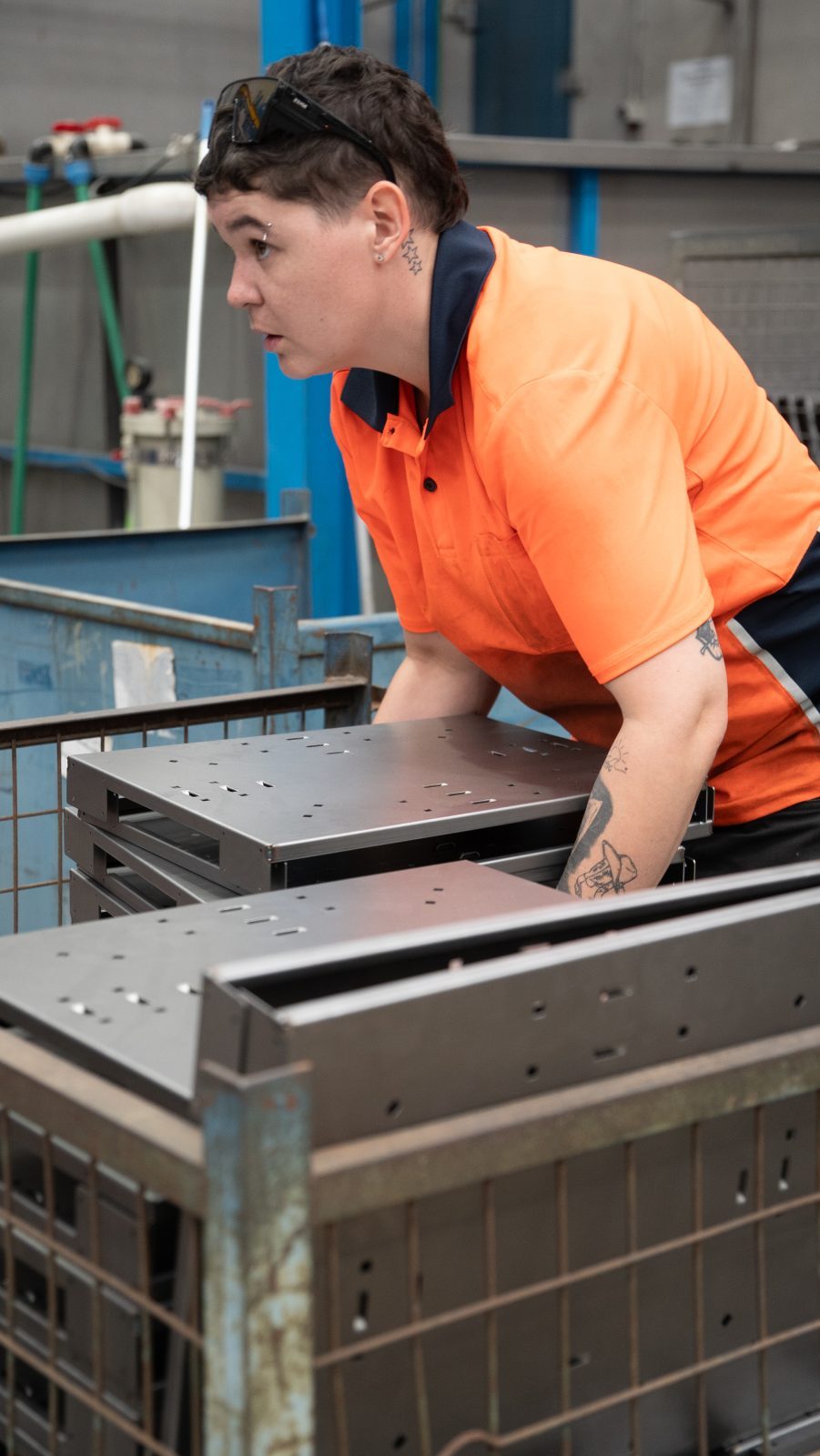
Our manufacturing facility is located in Dandenong South, Melbourne.
We support local engineering and procurement teams as well as customers elsewhere in Australia.
Discuss delivery requirements and freight arrangements when requesting your quote.
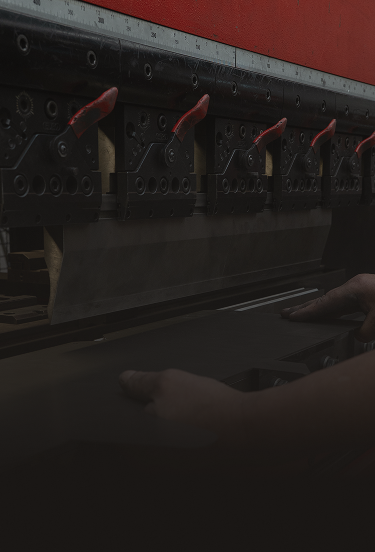
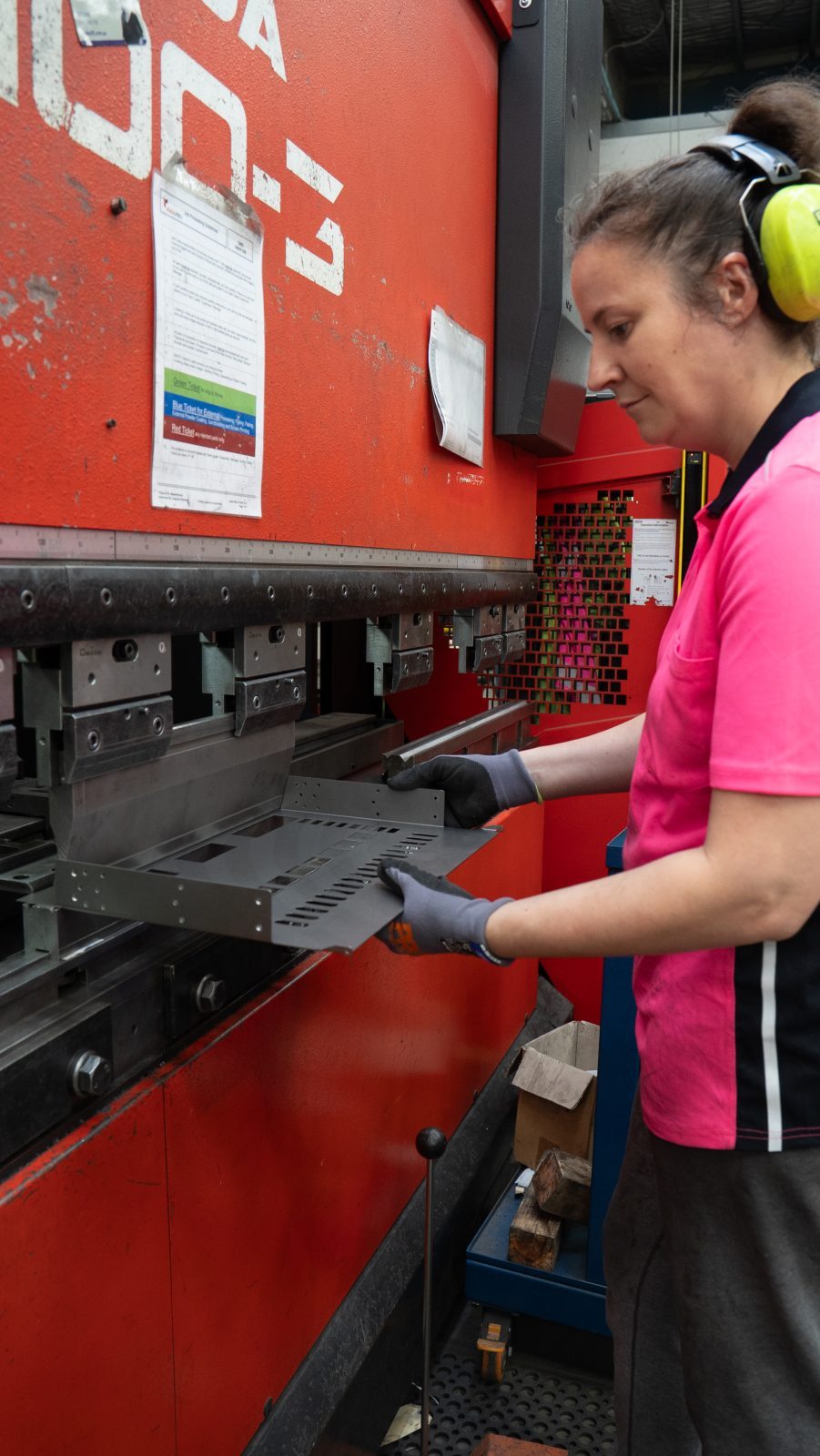
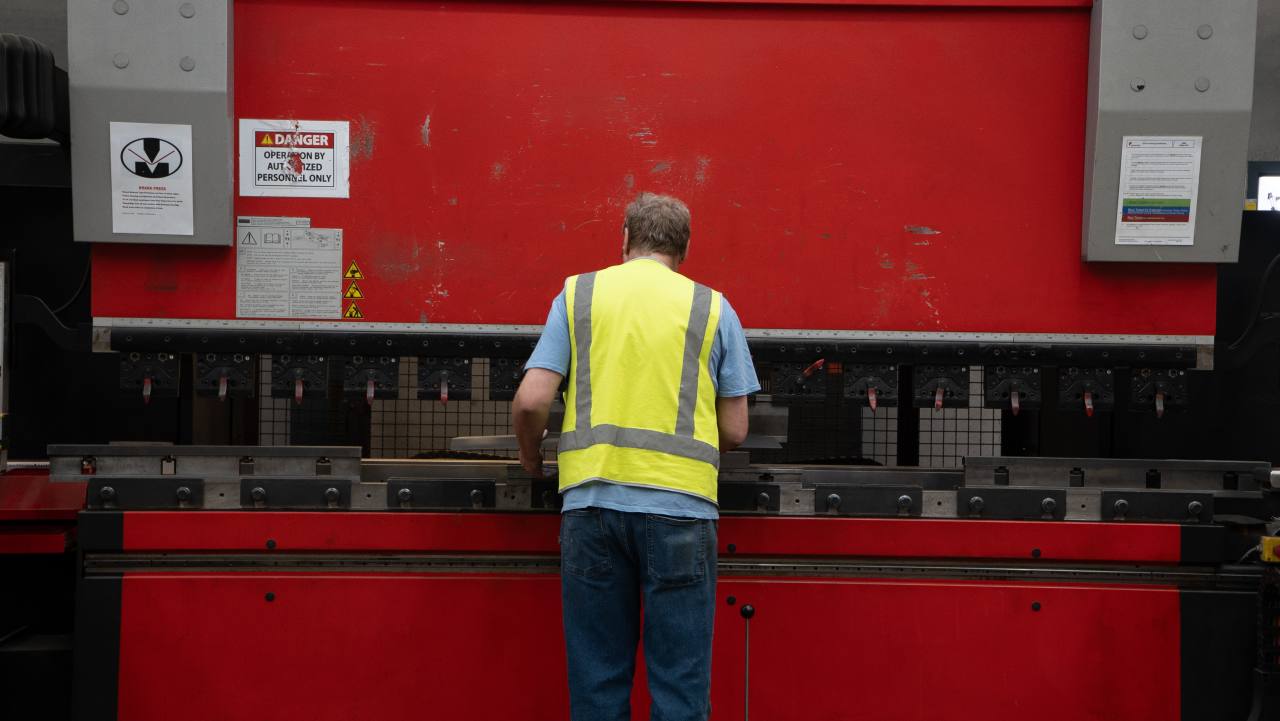
Amapro operates Amada electric servo-driven and hydraulic CNC press brakes with multi-axis back gauging. The machine and tooling are selected to suit the part rather than applying one setup to every job. CNC positioning supports repeatable bends, including components with multiple formed features.
The required bend length, material thickness and access for tooling determine which setup is suitable. Machine repeatability alone does not establish the finished part tolerance.
Materials
Amapro works with mild and carbon steel, stainless steel and aluminium. Folding suitability depends on the specified grade, thickness, condition and bend geometry. The following materials are common starting points for component design. For grade-specific work, see our stainless steel fabrication and aluminium fabrication services.
| Material | Typical application | Folding considerations |
|---|---|---|
| Mild and carbon steel | Brackets, chassis and general equipment panels | Specify the grade, thickness and required protective finish. |
| Stainless steel (304 / 316) | Equipment housings and corrosion-resistant components | Confirm grade, surface finish and required bend radius. |
| Aluminium | Lightweight panels and enclosures | Specify alloy and temper; bend suitability varies with material condition. |
Galvanised steel, brass and copper are also part of our wider fabrication capabilities. Contact us to review whether your chosen grade and geometry are suitable for folding.
Maximum fold length and sheet thickness must be considered together. A part that fits the available sheet size may still exceed the practical folding capacity because of the required force, tooling access or its formed shape. For a capacity assessment, provide the metal grade, thickness in millimetres, longest individual bend and overall formed dimensions. The engineering team can assess the combination against available equipment and tooling before confirming feasibility.
Achievable bend tolerances depend on the material, sheet thickness, part features and forming method. Mark the dimensions that control assembly fit on your drawing rather than applying unnecessarily tight tolerances to every feature. Include these bend details when they are critical to the finished component: the inside bend radius and finished bend angle; flange lengths and dimensions between formed faces; holes or cut-outs close to the bend line, and clearance for tooling; and critical mounting dimensions and permissible variation. For example, on a folded mounting bracket, the relationship between the mounting holes and the formed faces may matter more to installation than a non-functional edge. Identifying these features helps the engineering team assess your part against its actual purpose.
Components
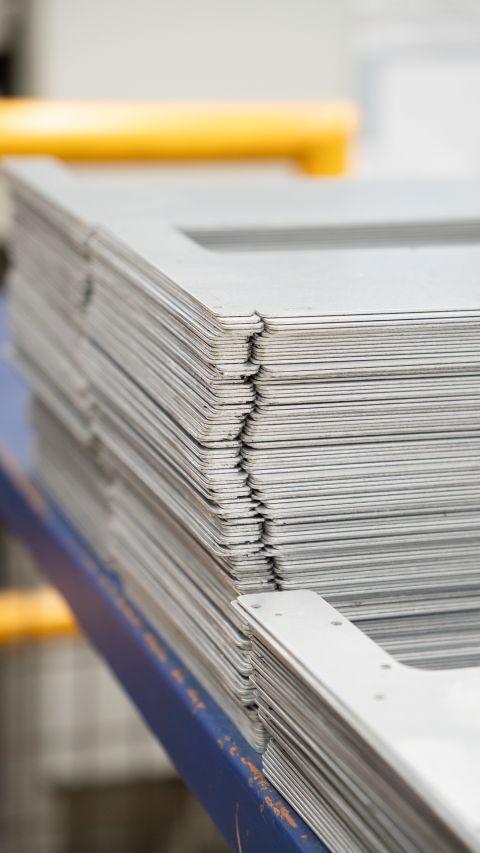
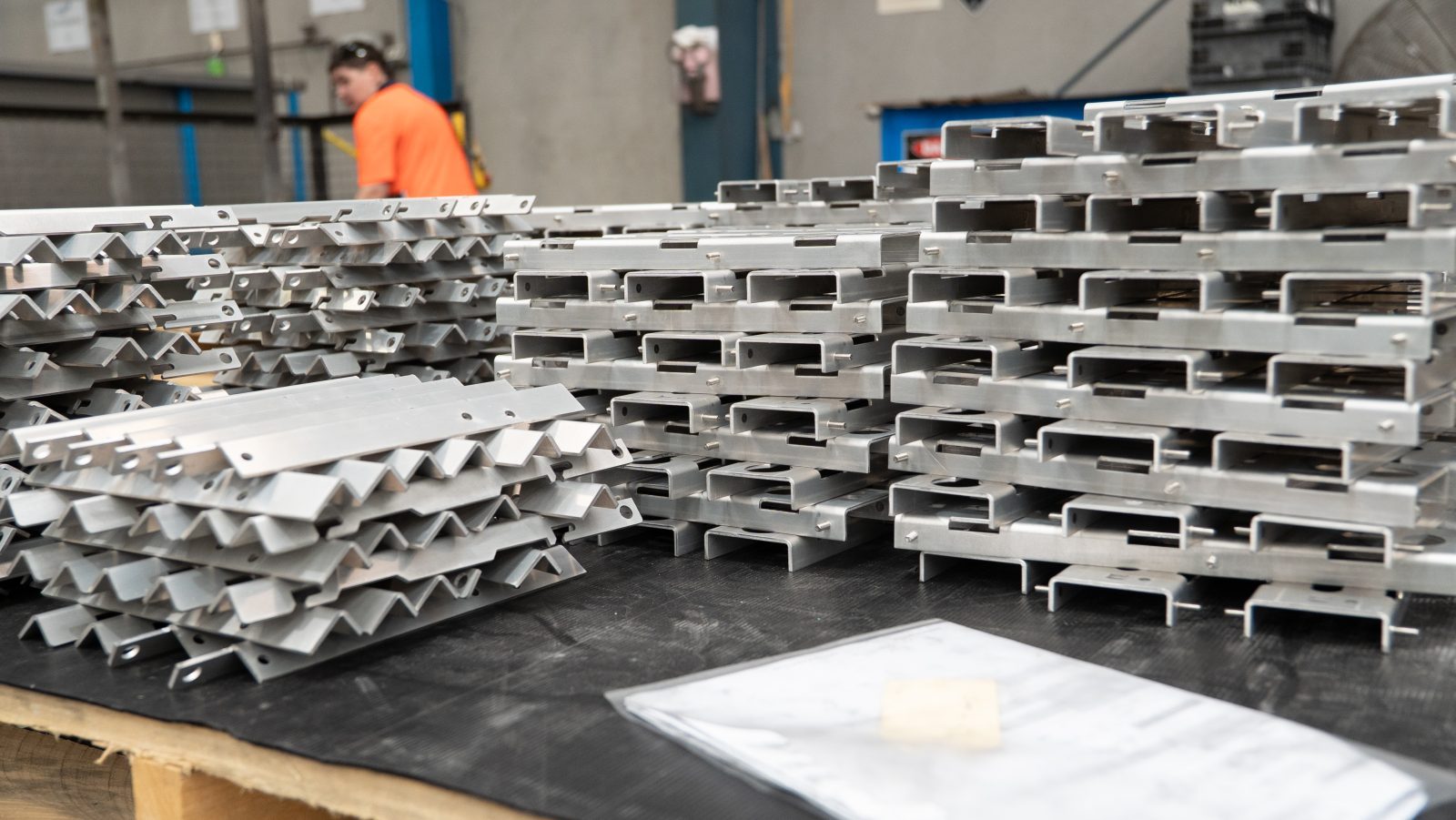
Our folding capability supports custom components for equipment mounting, protection and enclosure applications. Typical parts within Amapro’s sheet metal fabrication scope include the components below. Amapro works with commercial and industrial applications including data centres, telecommunications, infrastructure, defence, gas and heating, and retail equipment. Each part is assessed on its own material, geometry, finish and quantity requirements.
| Component | Application |
|---|---|
| Brackets and mounting rails | Supporting or locating equipment and assemblies. |
| Panels and covers | Protecting equipment or providing access for maintenance. |
| Enclosures and cabinets | Housing telecommunications or electronic equipment. |
| Chassis and equipment shelves | Providing mounting surfaces and support for internal components. |
Amapro supports rapid prototyping and low-to-medium-volume production. A prototype allows a design to be reviewed and refined before committing to repeat manufacture; a production run requires a consistent, agreed component specification. For example, a product team developing a new equipment enclosure may need a trial component to check mounting points and assembly clearances before ordering a batch. The prototype and subsequent production quantities can be discussed as part of the project review.
Trial a folded part before ordering the batch.
Request a quoteA folding project begins with a review of the component requirements. Depending on the agreed scope, a job can move through these manufacturing stages.
Provide the part model or drawing, material, quantity and required finish.
Assess feasibility and agree the scope and production requirements.
Laser cut or punch the flat profile where required.
Form the component using suitable press brake equipment and tooling.
Complete specified joining, finishing or assembly and agree the applicable quality requirements.
Confirm packaging and freight requirements for the finished parts.
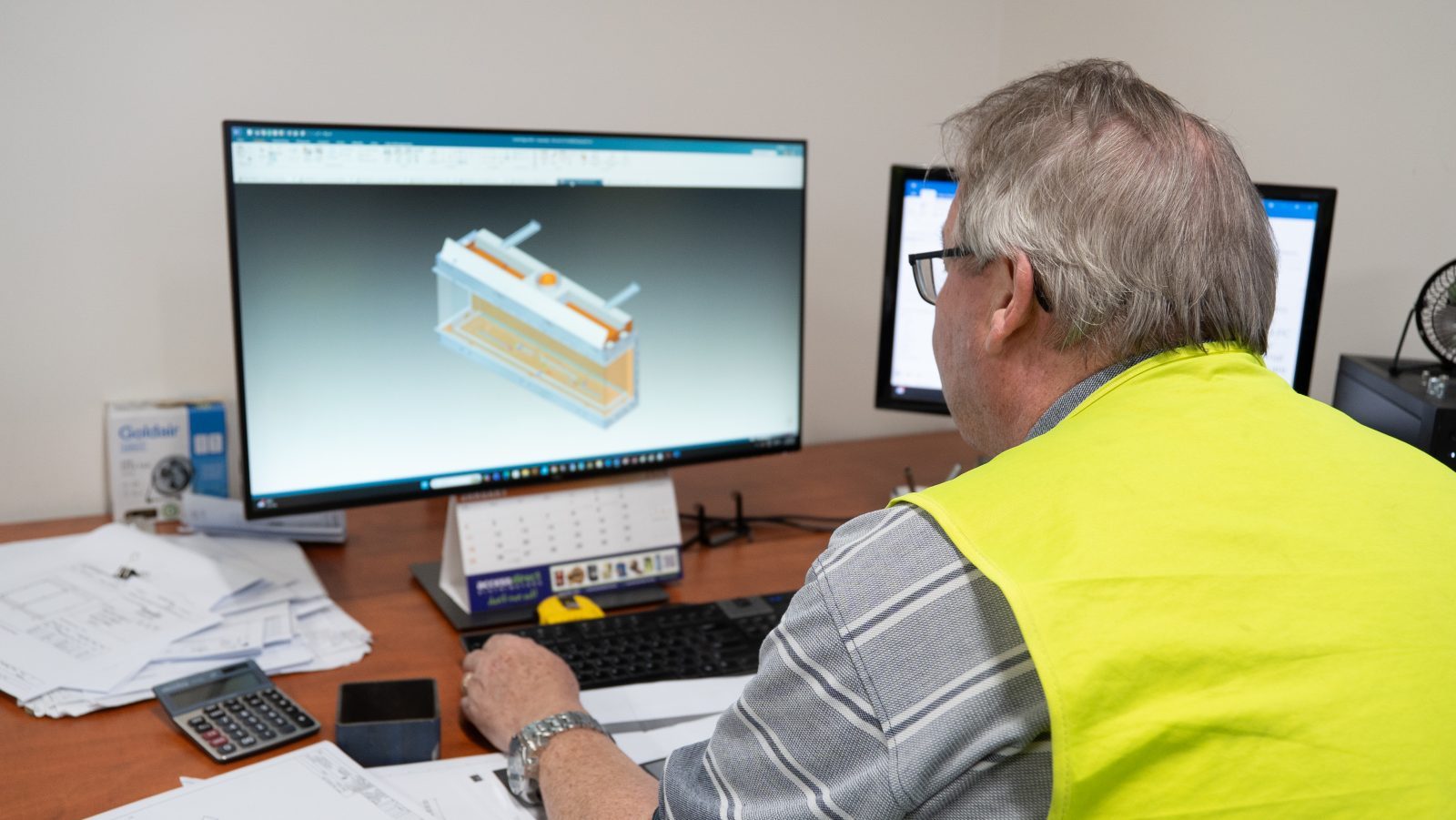
Our in-house design and engineering team provides design-for-manufacture (DFM) support. Early drawing review helps identify manufacturing issues before a design is released for production. If you supply both a flat pattern and a formed model, make sure they represent the same revision. Bend allowance, bend radius, material thickness and the relationship between flat and finished dimensions are important considerations when developing a foldable part. Identify any holes near bends, restricted tool access or mating components that limit the design. If a change to the geometry is required, discuss its effect on the finished fit before approving the revised drawing. This is particularly useful where a component must fit an existing assembly.
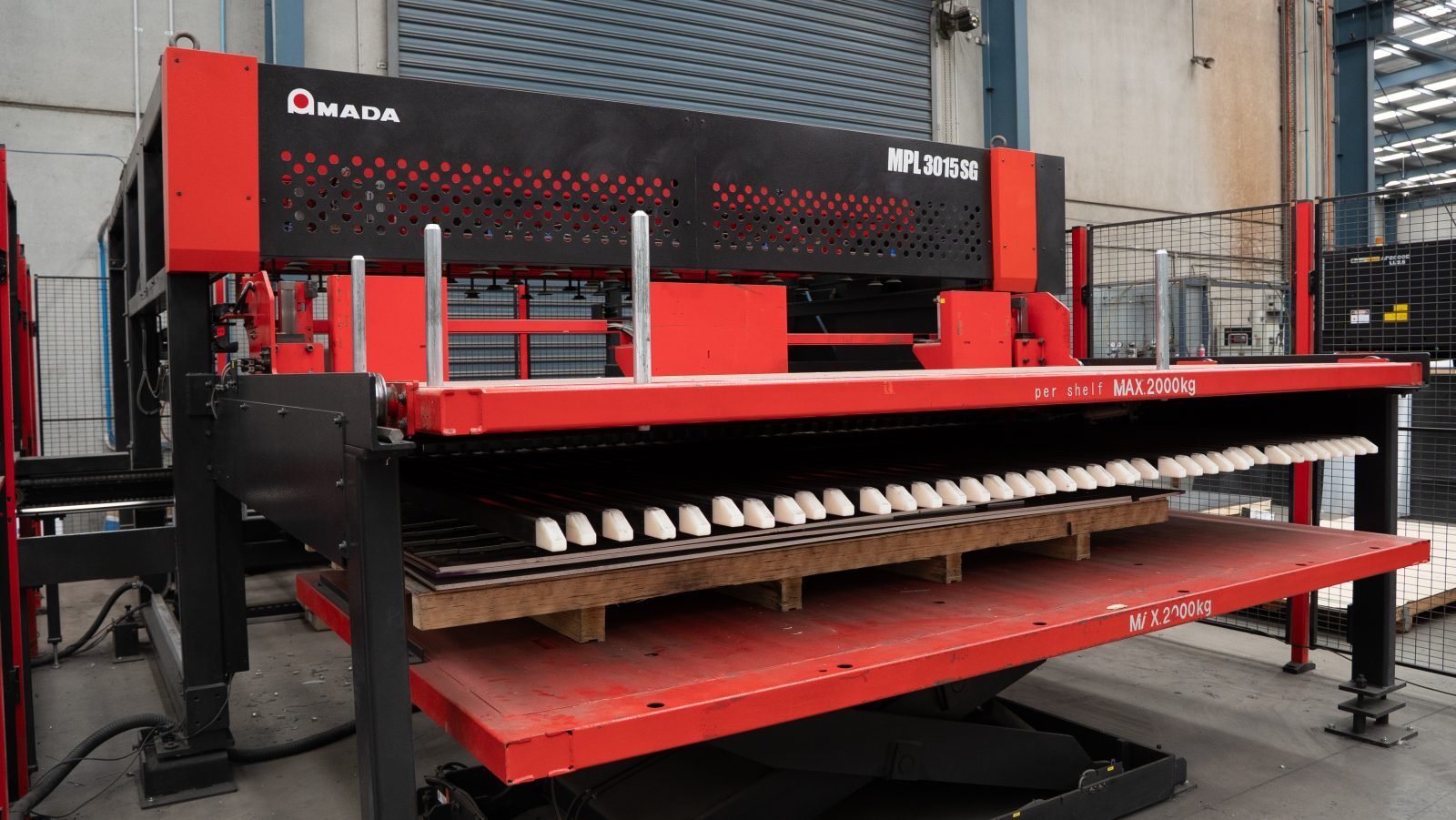
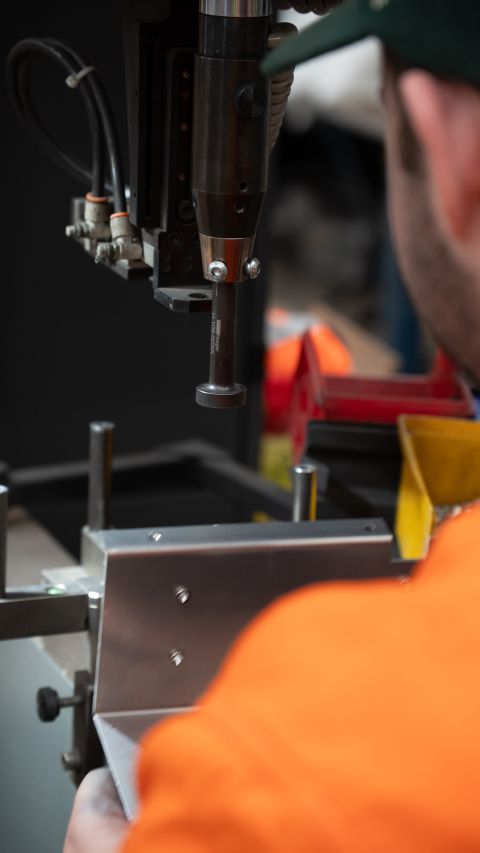
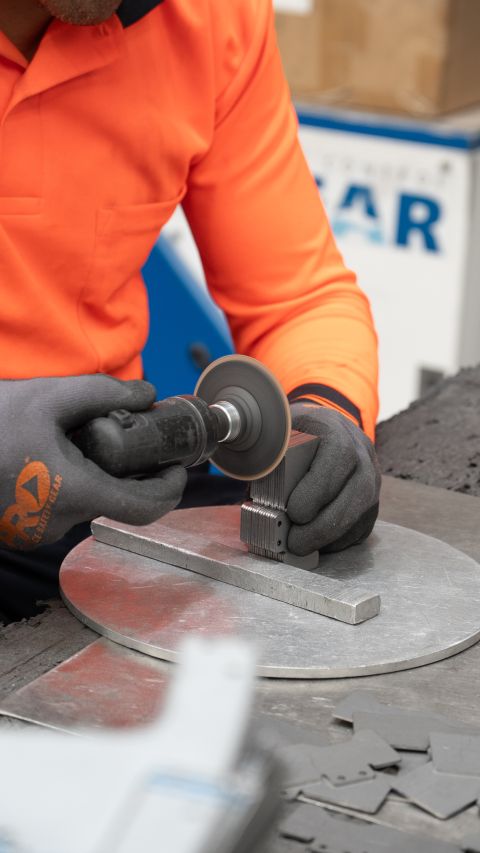
Amapro combines CNC laser cutting, turret punching, press brake folding, welding, machining, powder coating and assembly capabilities. For a folded enclosure, for example, the flat profile can be cut or punched, formed, joined and finished according to the design requirements. Powder coating is carried out in-house. Specialist treatments such as zinc plating and galvanising are coordinated through external partners where specified. Discuss the complete component requirements so the quotation can account for the relevant operations. View our manufacturing capabilities for related processes and equipment.
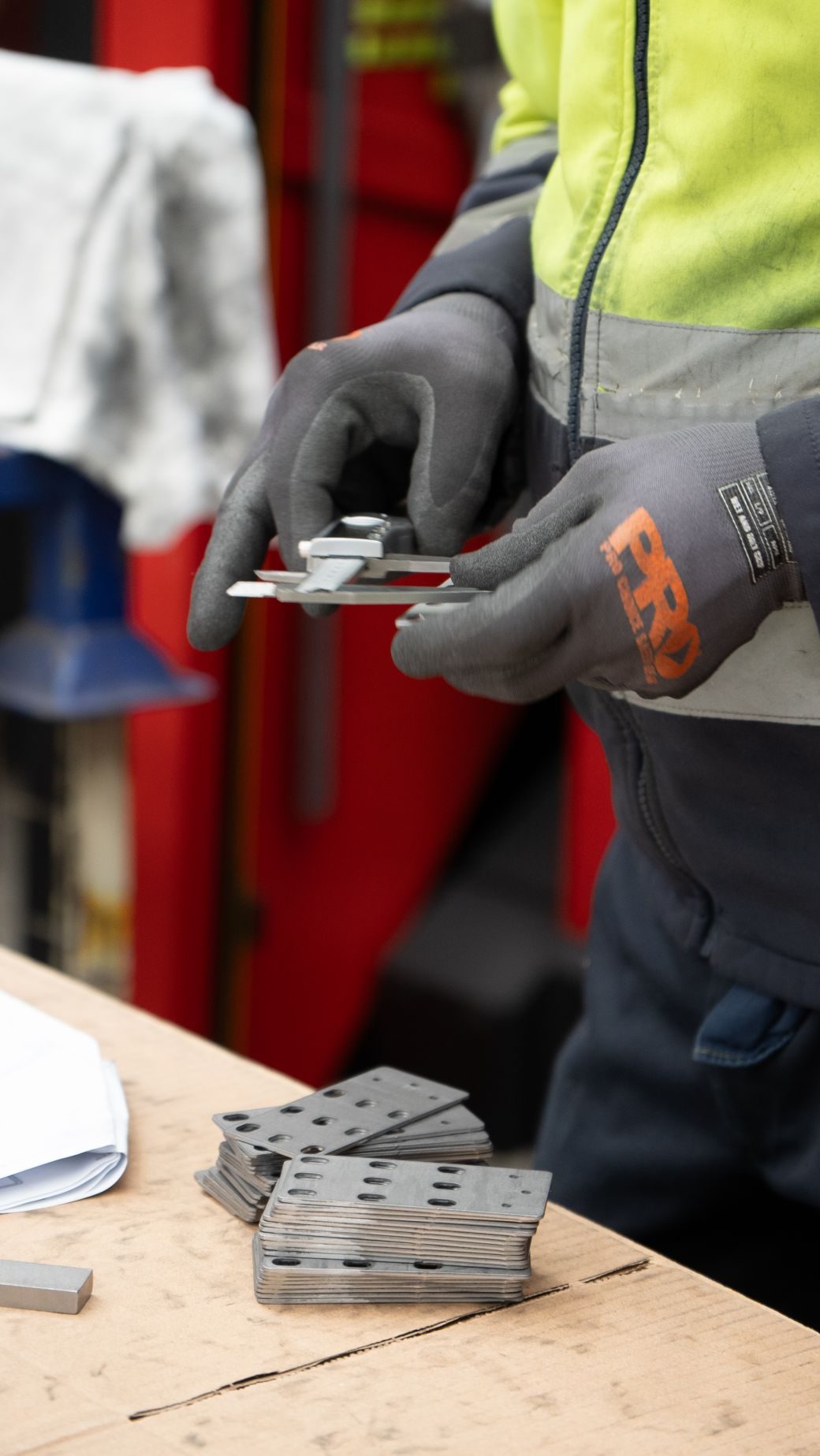
Quality requirements for a folded component should be defined against the agreed drawing. The relevant acceptance criteria depend on the part’s function and the tolerances specified for the job. If your procurement specification requires dimensional reports, sample approval or particular inspection records, include those requirements at the enquiry stage. For a folded part, useful acceptance criteria may include the finished bend angle, critical mounting dimensions, fit with mating parts and surface finish. The required checks and documentation can then be discussed before production.
Pricing
Sheet metal folding is quoted according to the part design and order requirements. The cost depends on the material, forming complexity, production quantity and any additional operations needed to deliver the component. If you are comparing a prototype quote with a repeat-production quote, specify the intended batch sizes: setup costs can influence the cost per component, so quantity is an important input when assessing the job.
| Cost factor | What influences the quotation |
|---|---|
| Material and thickness | Specified metal, grade, thickness and availability. |
| Bend count and geometry | Number of bends, tooling access and complexity of setup. |
| Quantity | Setup effort and repeat production requirements. |
| Tolerances and inspection | Critical dimensional requirements and agreed verification. |
| Secondary operations | Cutting, punching, welding, finish, assembly or freight. |
Lead time is confirmed after the drawing, material, quantity and production requirements have been reviewed. Material availability, design revisions, forming complexity, finishing and agreed inspection or approval stages can affect the schedule.
Include your required delivery date with the enquiry, particularly if parts are needed for an assembly build or scheduled production run. Confirm the expected manufacturing and delivery timing as part of the quotation.
Quoting
Send your drawing, model or suitable initial sketch to Amapro with the information needed to assess your folded component. We accept STEP, STP, DXF, DWG, IGES and PDF files for fabrication enquiries. Where possible, supply a 3D model together with a dimensioned drawing that identifies critical requirements. If an existing part is the starting point, discuss the sample with our engineering team. To help us prepare an accurate quotation, include:
Questions
CAD models, sketches and samples, delivery outside Melbourne and drawing revisions. Final feasibility depends on the reviewed part and agreed order scope.
Yes. We accept 3D CAD models for fabrication review, including STEP and STP files. A supporting 2D drawing can identify critical tolerances and bend details that may not be apparent from the model alone. The part geometry and production requirements must be reviewed before folding can be confirmed. Where a folded part also needs machined features, see our precision manufacturing service.
Yes. A dimensioned sketch, physical sample or concept can start an enquiry. More detailed drawings or models may be needed before final production pricing can be confirmed, especially if the material, tolerances or finish have not yet been specified.
Yes. Our engineering team can measure an existing sample and develop a drawing for approval where reverse engineering is required. Provide the sample and any known material or specification details. Feasibility depends on the sample condition, geometry and available information; confirm design ownership or permission where relevant.
Yes. Amapro supplies customers across Australia from our Melbourne facility. Folded components can be quoted with the relevant freight and delivery arrangements, subject to the part requirements and agreed order scope.
Yes. A revised drawing can be submitted for review before production begins, subject to the current job status. Identify the revision that supersedes the previous drawing and confirm any changes to the requirements. A revised design may affect the quotation or delivery schedule, so agree the updated scope before manufacture.
Send us your drawing or model and production requirements. Our engineering team can review the part, assess manufacturing suitability and prepare a quotation.