01
Consultation
Discuss the component’s use, alloy or material preference, quantity, exposure, fit, finish and required delivery. A drawing, model, sample or concept can start the review.
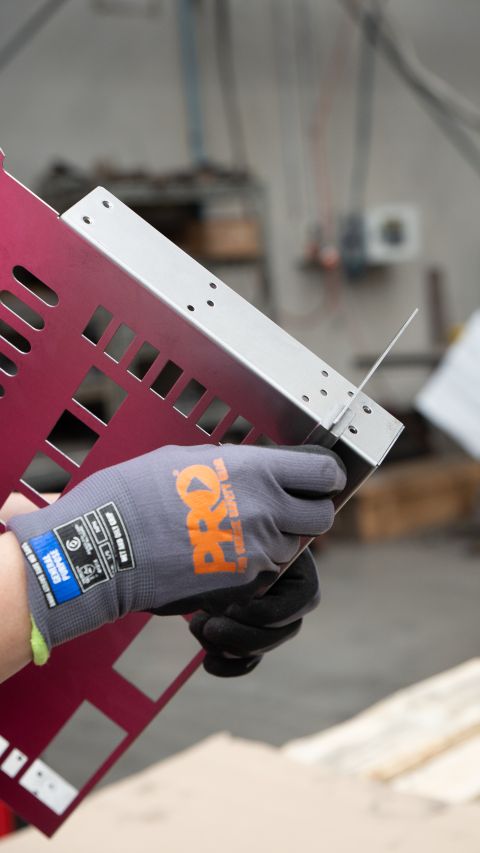
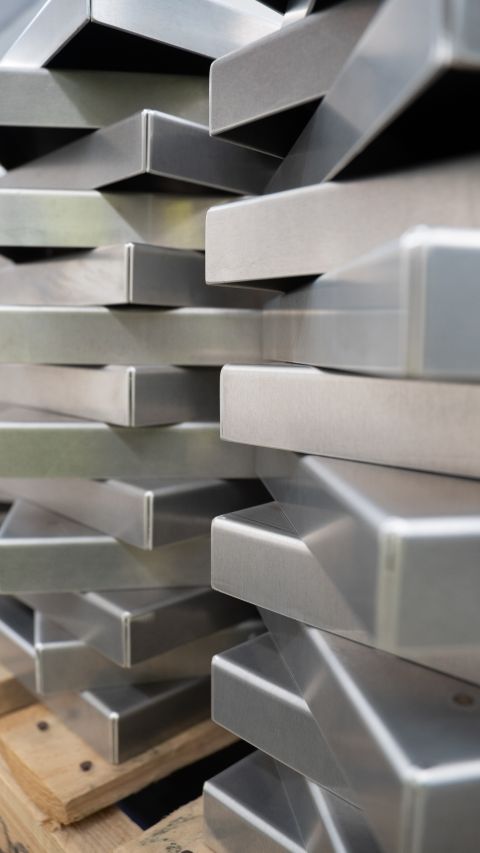
Amapro fabricates custom aluminium sheet-metal components for industrial equipment in Melbourne. Our Dandenong South team provides design review, CNC cutting and folding, welding, finishing, prototyping and repeat production.
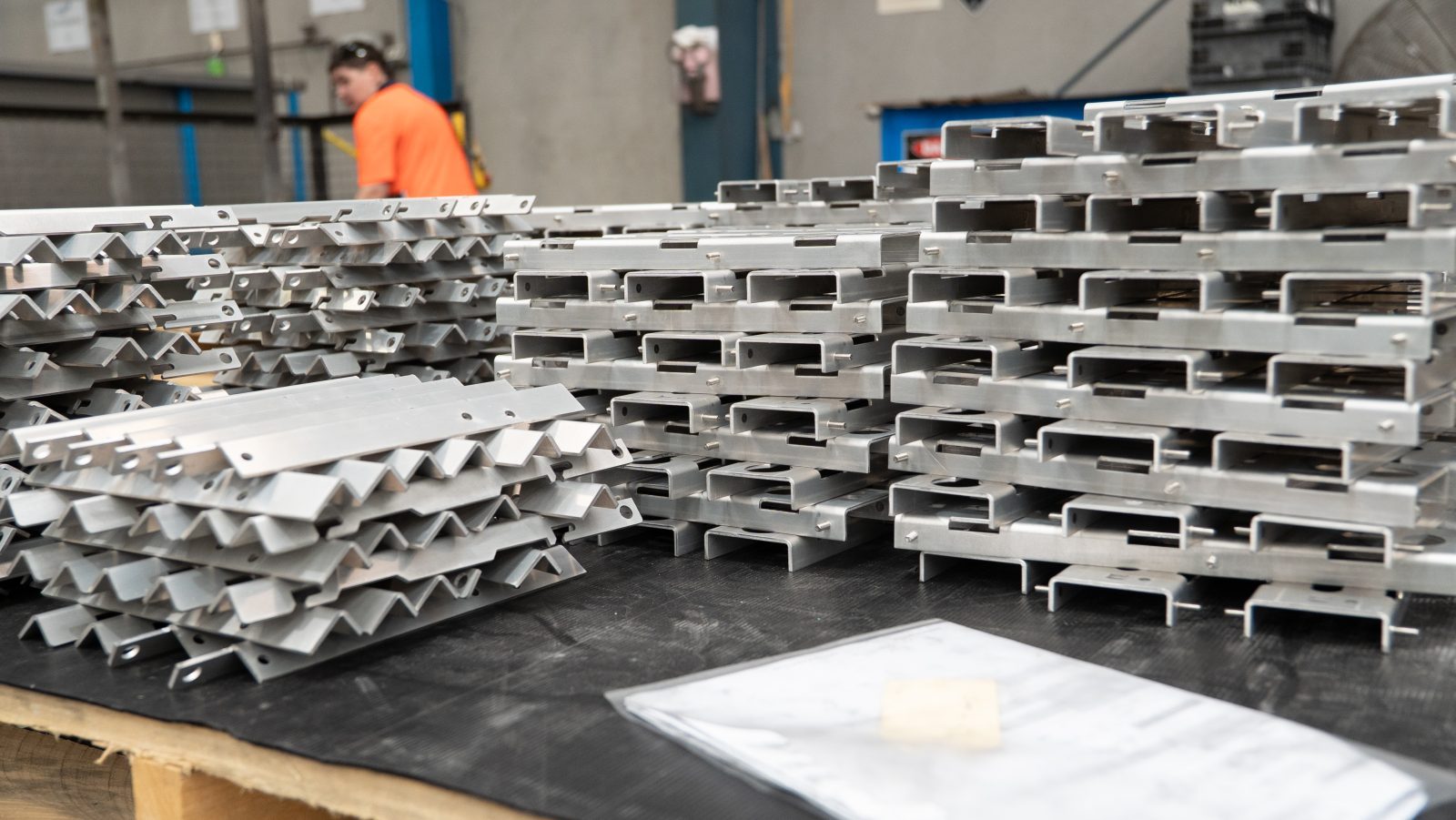
Aluminium fabrication converts flat sheet into panels, cabinets, brackets, chassis and assemblies built to a drawing. Amapro combines sheet metal fabrication with engineering input, manufacturing and assembly.
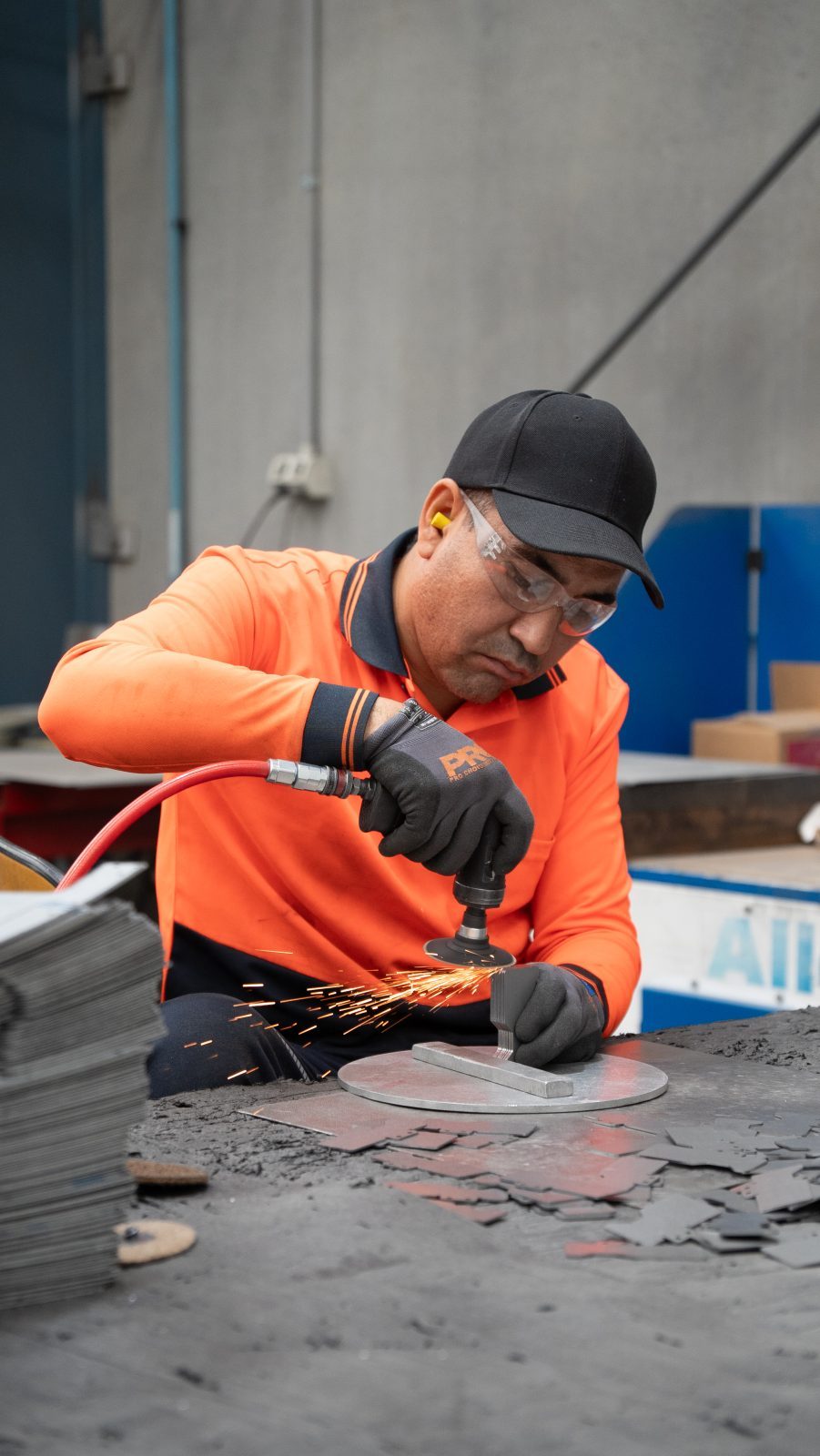
Low component weight is useful, but the alloy, bends, mounting points and finish must also suit the application.
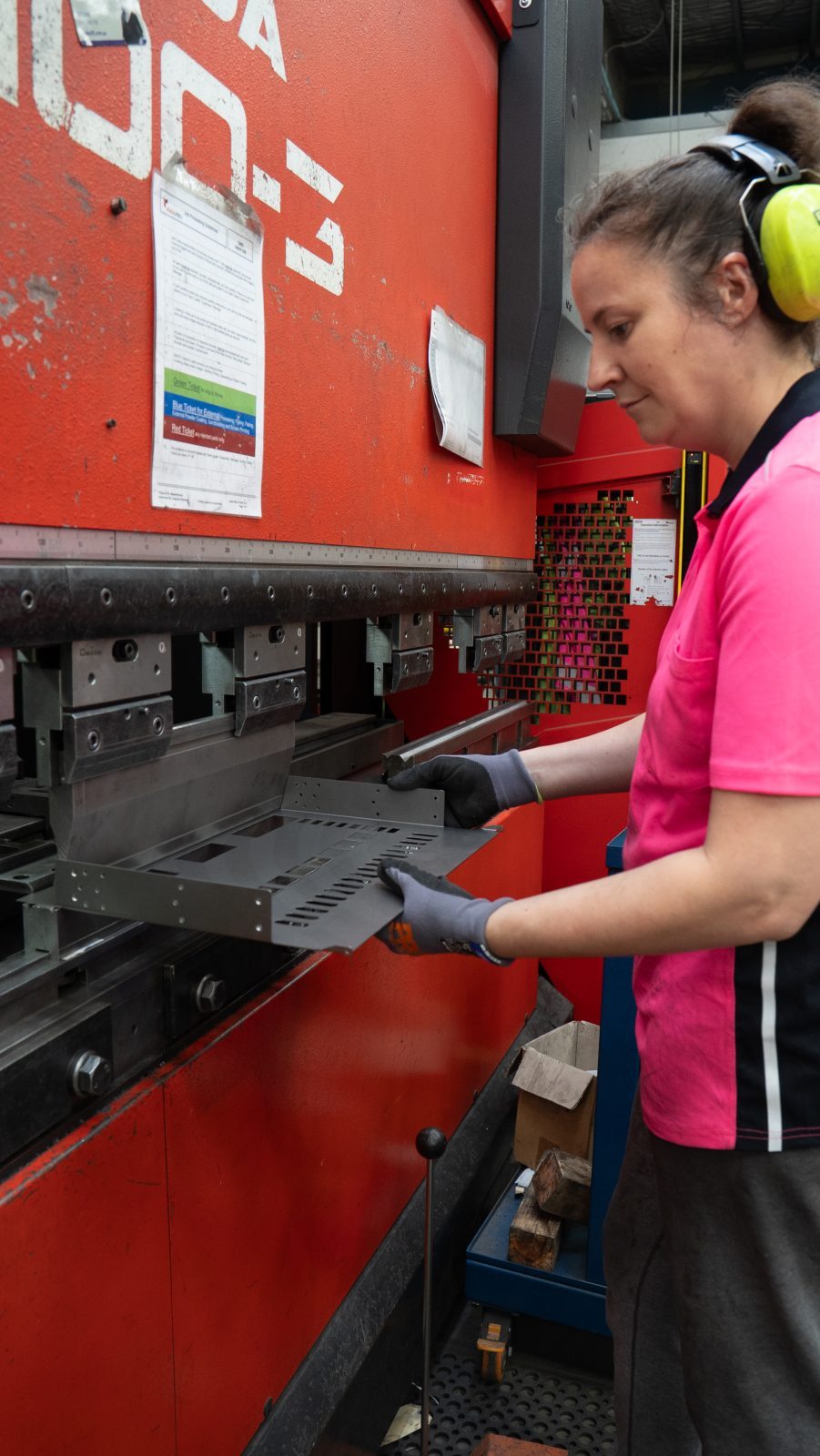
The focus is drawing-led components, not structural building frames or generic extrusions.
Applications
Typical aluminium fabrication requests are listed below. Material suitability depends on each drawing and operating environment.
Requiring doors, access panels and mounting features.
With cut-outs, labels, hardware and a specified finish.
With defined hole and bend positions.
For industrial equipment and service access.
Where assembly fit matters.
Telecommunications, data centres, infrastructure, heating equipment and retail systems.
Alloy and temper
Choose the aluminium alloy and temper before locking in bend radii, welding requirements or surface finish. These properties affect whether the design can be manufactured reliably.
| Selection factor | What to specify | Why it matters |
|---|---|---|
| Alloy and temper | Grade, temper and any alternative allowed | Strength, forming and welding behaviour differ. |
| Sheet thickness | Nominal thickness and acceptable variation | Affects stiffness, cut time, bends and weight. |
| Service environment | Indoor, outdoor, wet or salt exposure | Influences surface protection and joint design. |
| Finished geometry | Bends, cut-outs, mating parts and hardware | Determines tooling access and fit. |
| Finish | Powder coating, anodising or unfinished | May change tolerances, appearance and lead time. |
Two common choices for aluminium sheet-metal parts are 5052 and 6061-T6. 5052 is generally more accommodating for sheet-metal bends; 6061-T6 can crack when bent too tightly. Material availability is confirmed for each order. State the alloy, temper, sheet thickness and required mechanical performance. If they are undecided, provide the loads, exposure, forming geometry and surface requirements for review.
Bend radius and flange length must suit the selected aluminium, especially where holes or slots sit close to a fold. Material temper and tooling affect springback, cracking risk and finished dimensions. For example, a 90-degree flange with fixing holes near the bend may need a larger radius or revised hole location. Confirm changes against the mounting interface before releasing the drawing.
An aluminium enclosure may use fasteners or adjoining parts made from another metal. In wet conditions, contact with stainless steel or other dissimilar metals can increase galvanic corrosion risk. For outdoor installations, check moisture traps, coating damage and joint access. Isolation washers, sealants or a suitable finish may be considered as part of the assembly design; none is a universal remedy. Review the joint for its actual environment.
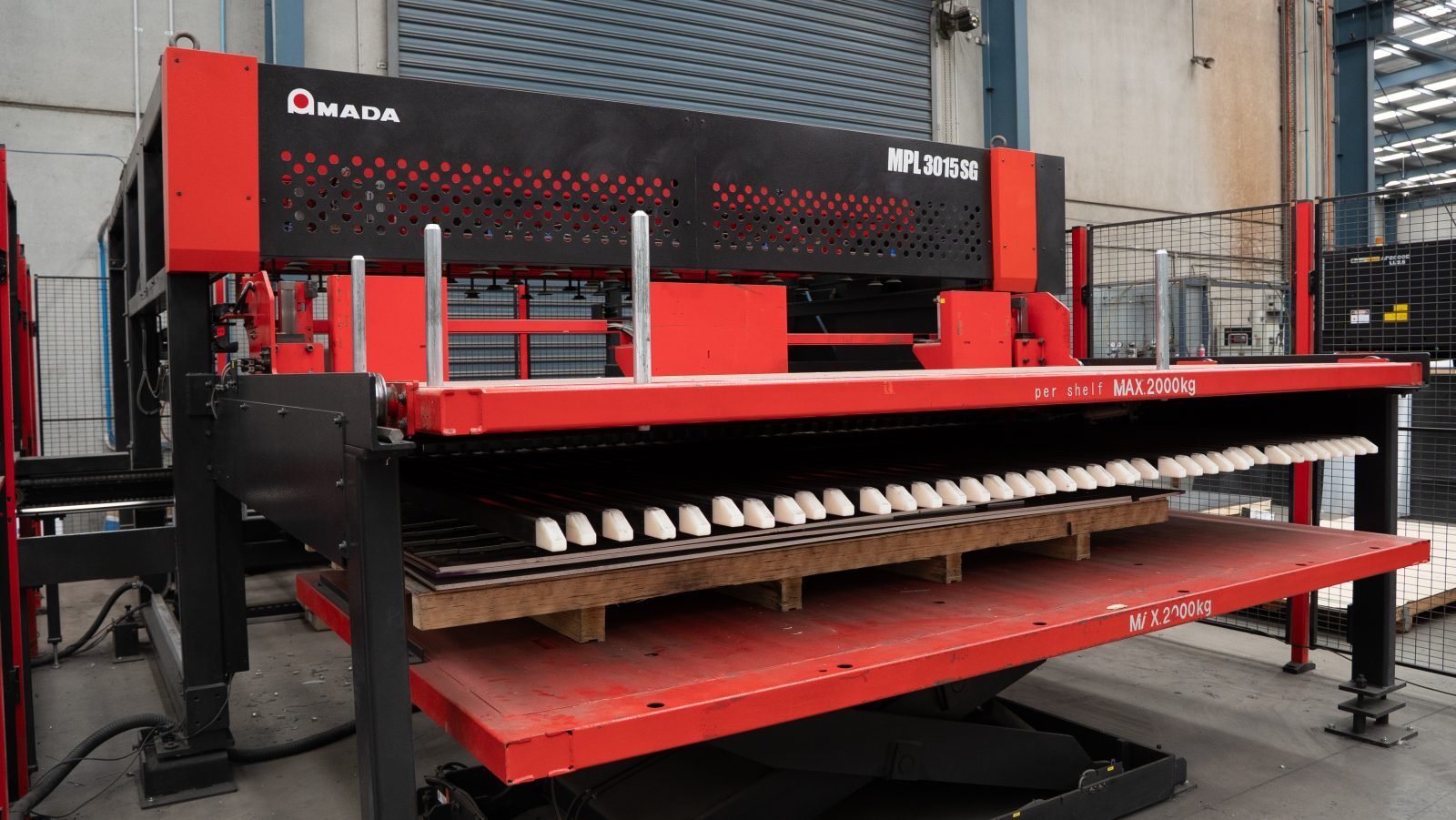
Processes
Amapro offers integrated cutting, punching, folding, welding, machining, hardware insertion and finishing. A project uses only the operations required by the approved component design.
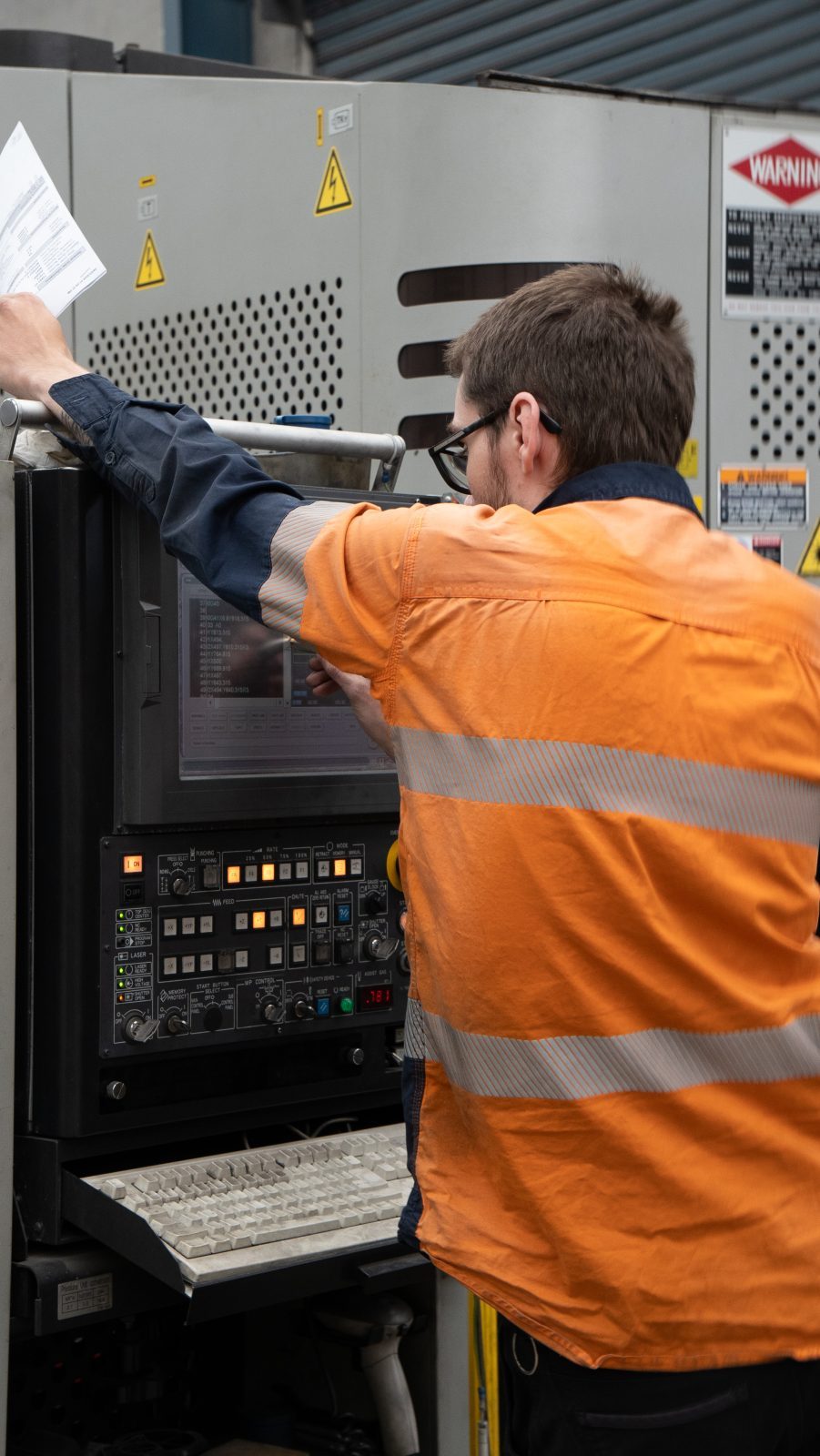
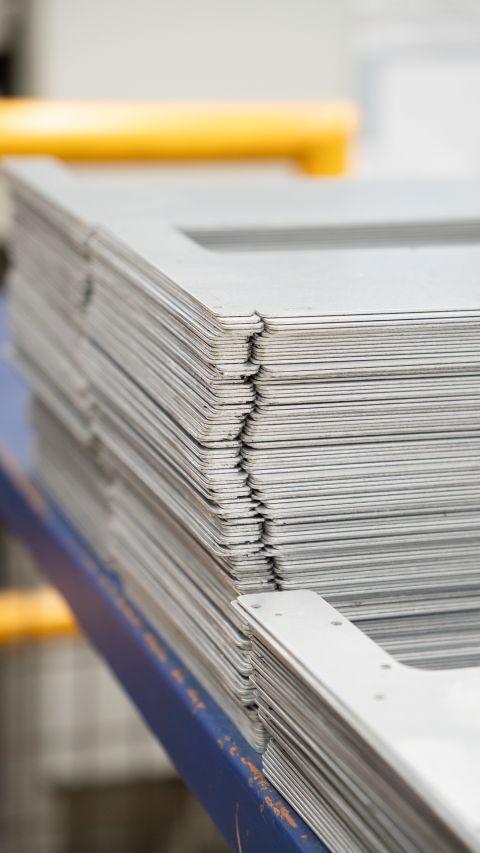
CNC laser cutting produces aluminium profiles, openings and part blanks. Turret punching can suit repeated holes, louvres and formed features when tooling and material permit. For a ventilated equipment panel, compare the hole count, shape and location before deciding whether laser cutting, punching or a combination is appropriate.
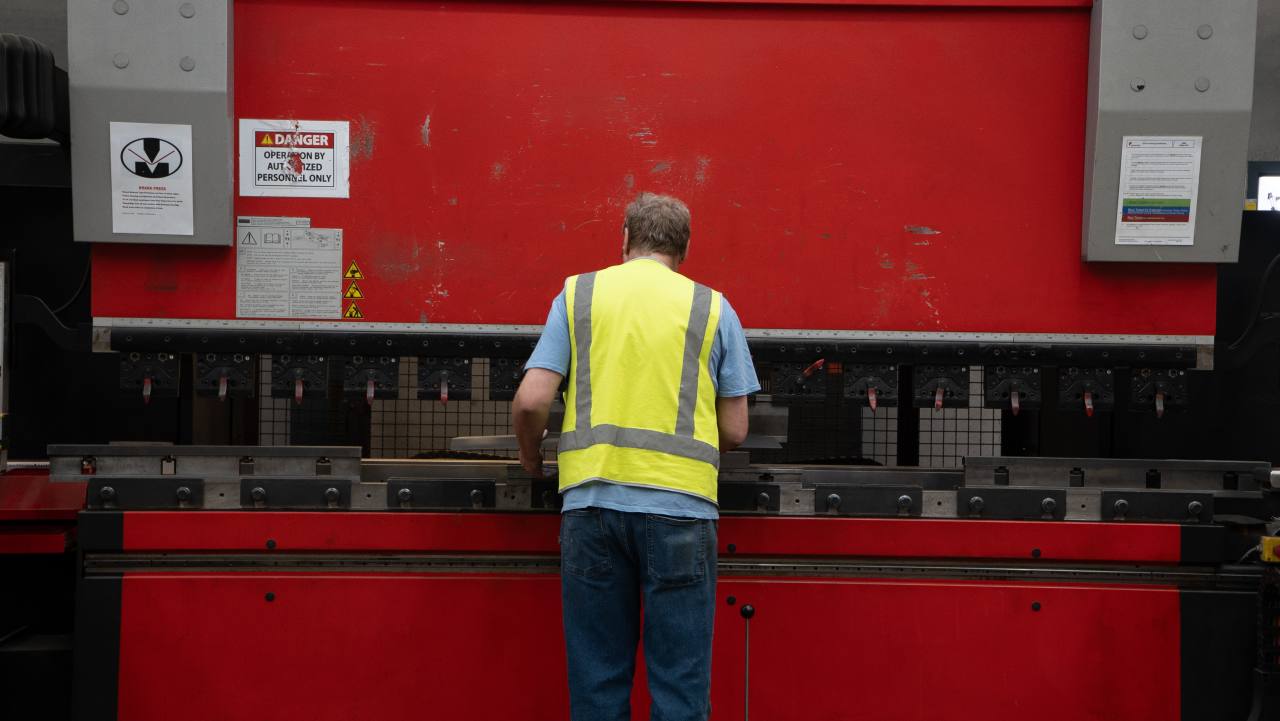
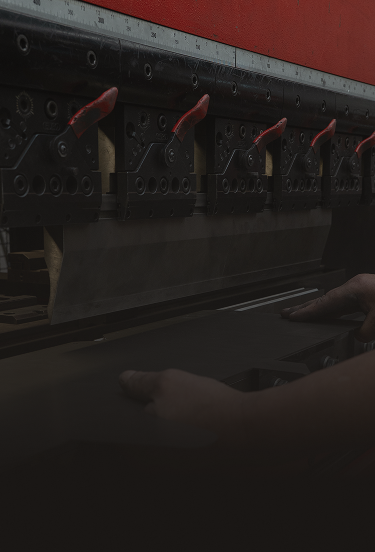
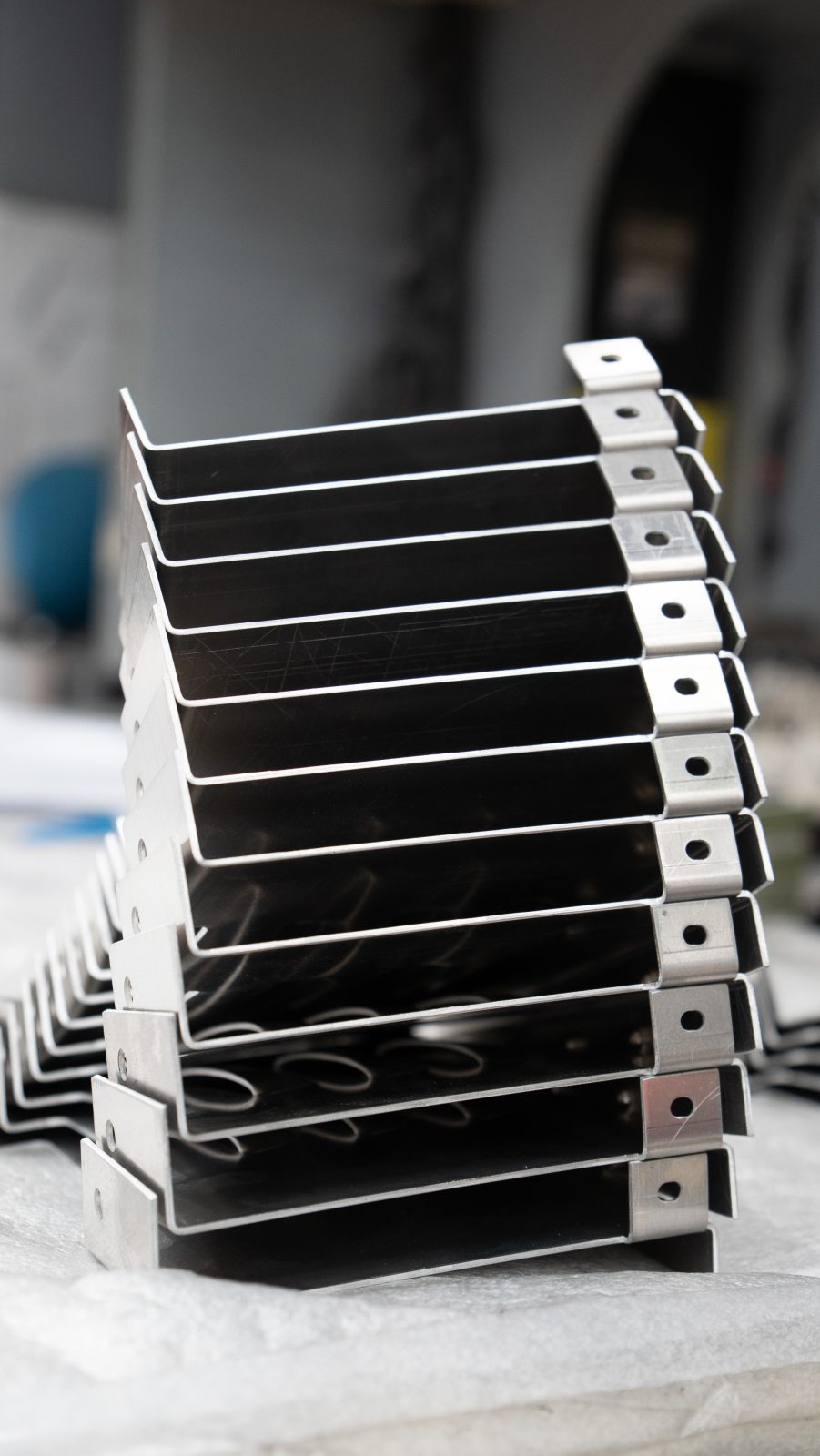
CNC press brakes form aluminium blanks into flanges, channels and enclosure sections. Specify bend direction, radius, thickness, flange length and any holes close to the bend. Amapro uses Amada electric and hydraulic press brakes. Final tolerance across folds depends on alloy, temper, geometry and tooling, so mark the dimensions that control assembly fit.
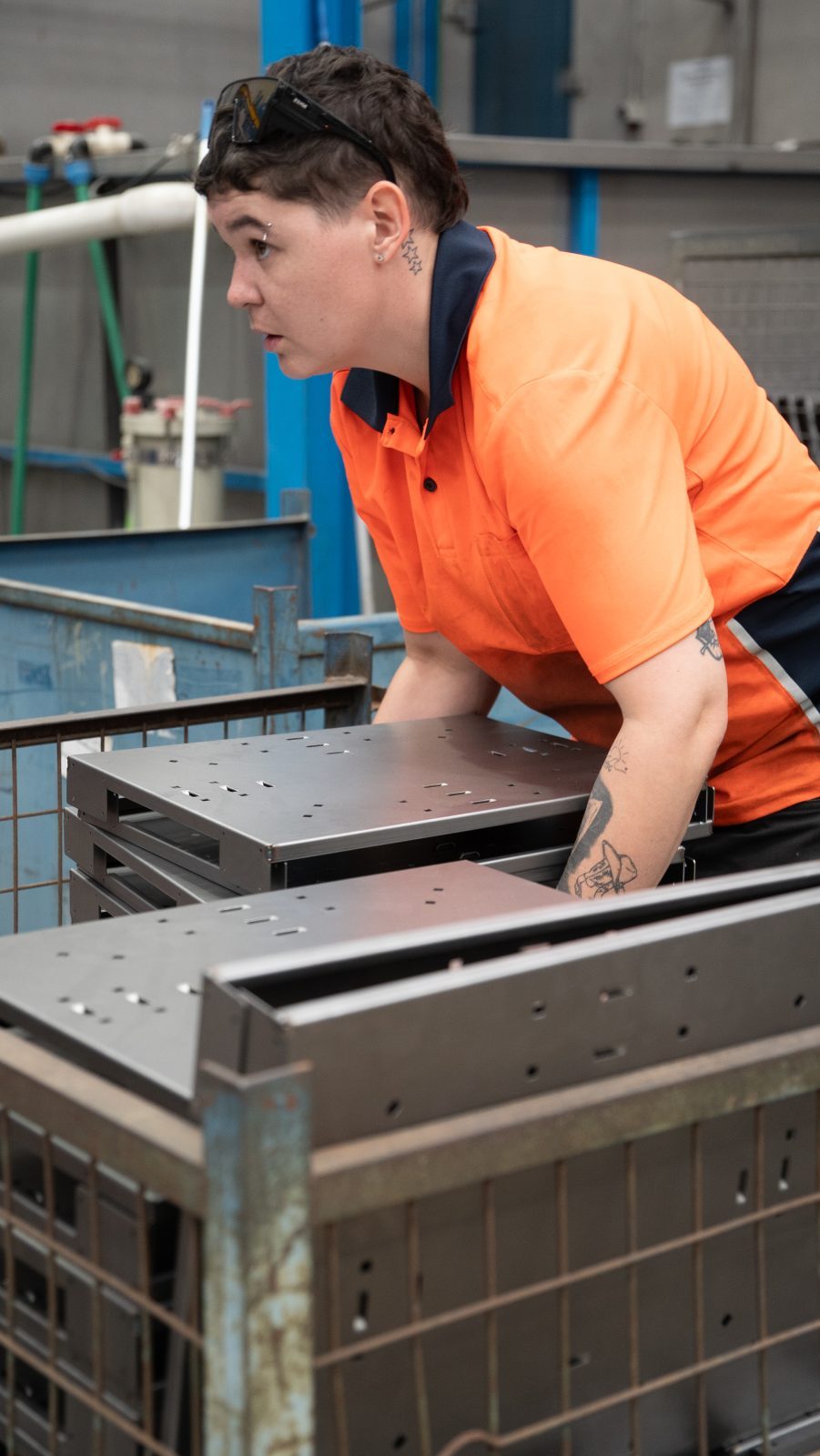
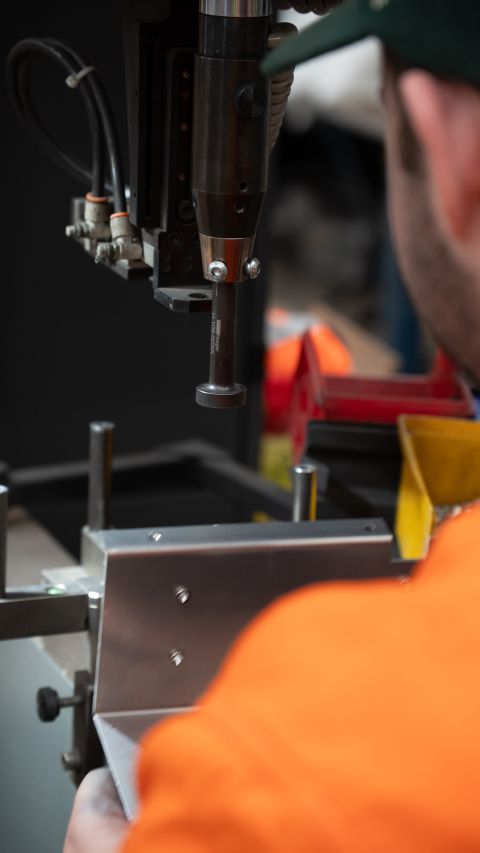
Amapro provides TIG and MIG welding capabilities along with mechanical assembly and fastener insertion. The suitable joining approach depends on alloy, joint design, access, appearance and any distortion limits. Mark weld locations, removable joints, fixing hardware and inspection needs on the drawing. Welding aluminium can change the properties near the weld, so structural or load-bearing requirements must be evaluated for the specified alloy and design.
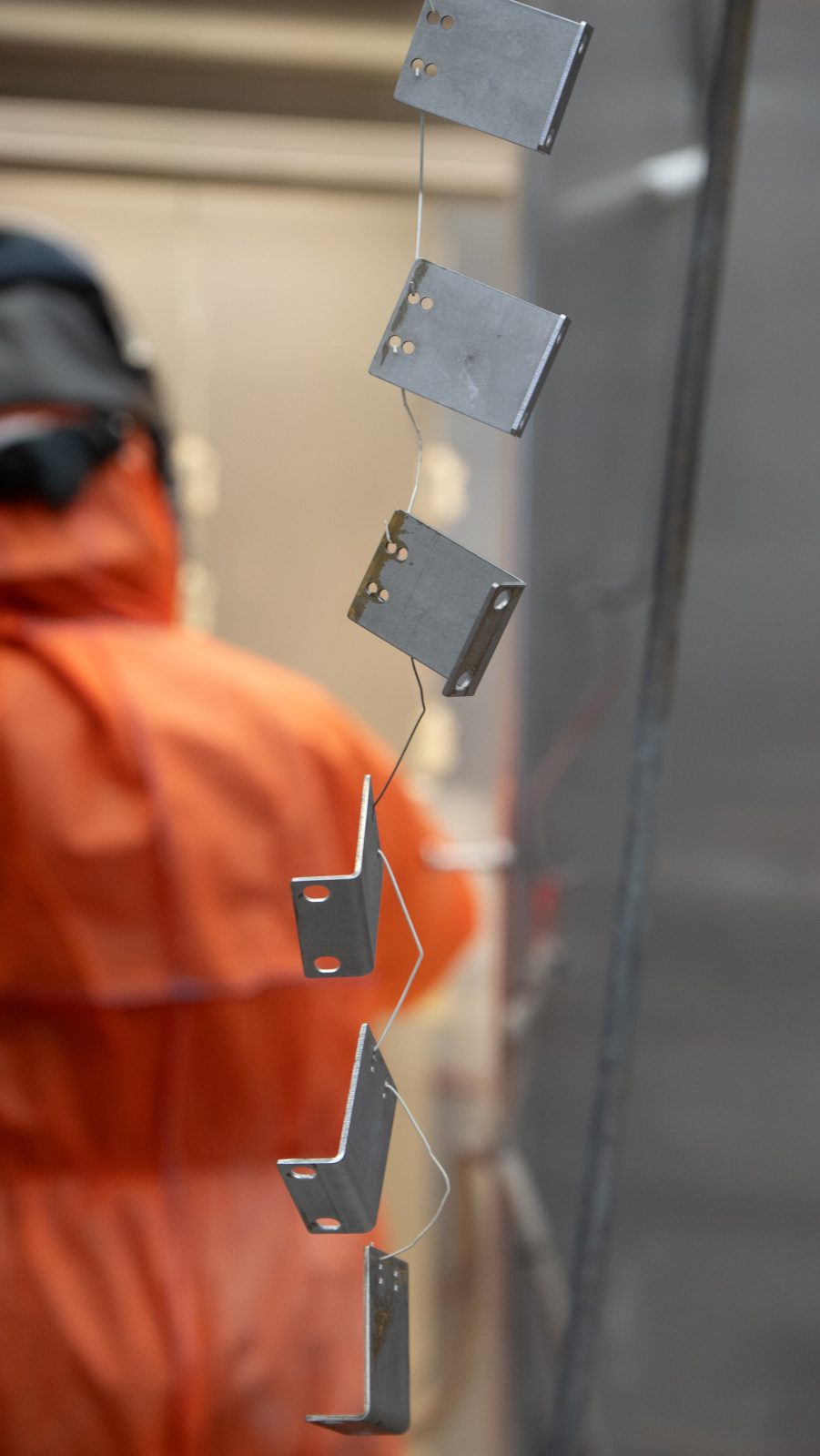
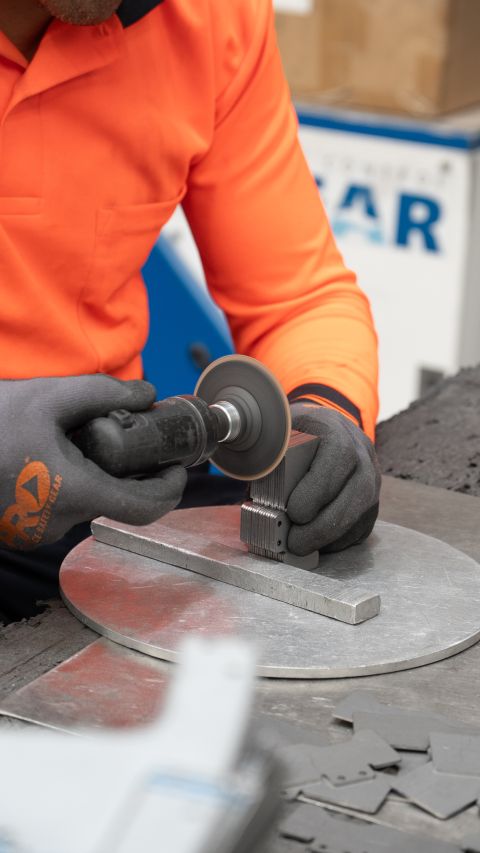
Amapro provides in-house surface preparation, deburring and powder coating. Anodising is coordinated through specialist partners where required. Choose finish and colour before finalising dimensions. Specify visible faces, masking areas and tight-fitting features: coatings can affect hole sizes and mating clearances. Finish suitability depends on aluminium grade, pretreatment and exposure.
Engineering
Amapro reviews drawings, 3D models and early concepts for material choice, bend access, hole placement, fastening, finish and assembly sequence. The aim is to identify difficult features before production begins.
3 capabilities
Send a drawing, 3D model or early concept. The review looks for features that are difficult to cut, fold, join or finish in aluminium, so they can be resolved before the part reaches the shop floor.
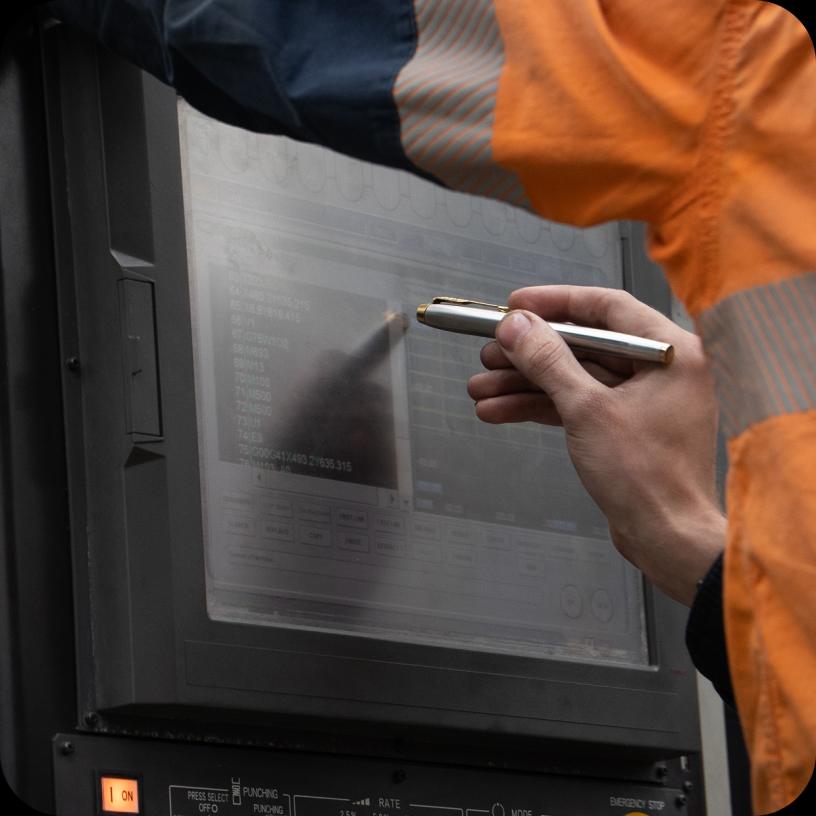
For instance, moving a mounting hole away from a tight return may improve tool clearance. Changes should be recorded against the part’s function and accepted drawing revision.
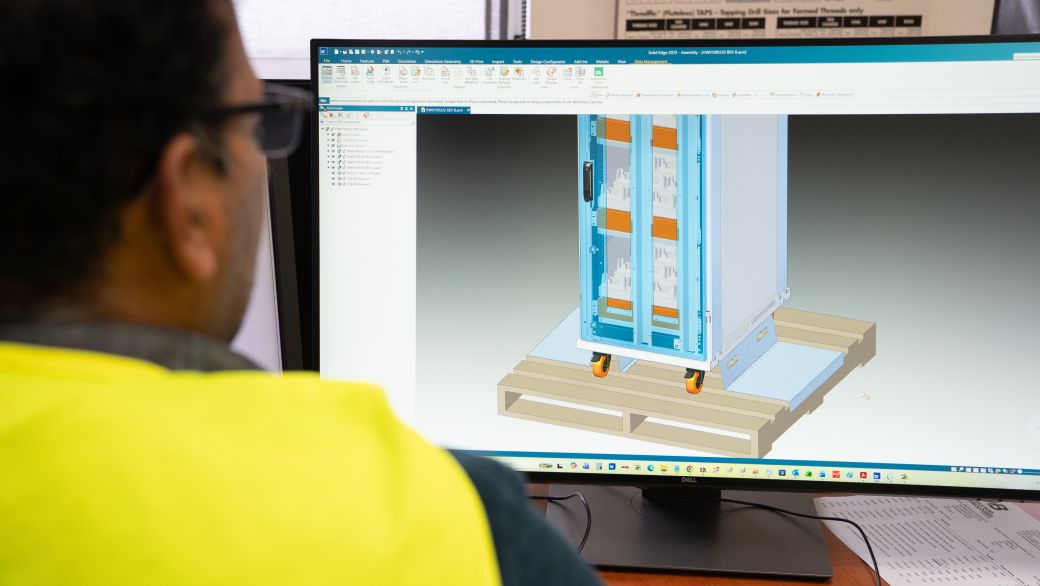
The design and engineering capabilities include CAD modelling, reverse engineering, file conversion and sheet-metal development using SolidEdge and SolidWorks.
Amapro works through six stages from enquiry to delivery. For aluminium parts, material selection, prototype checks and finishing are resolved within the applicable stages.
Discuss the component’s use, alloy or material preference, quantity, exposure, fit, finish and required delivery. A drawing, model, sample or concept can start the review.
Review aluminium thickness, bends, cut-outs, joint details and finished interfaces. Agree changes to the drawing before releasing it to fabrication.
A prototype or first-off part can check actual fit, folding, fastener access and finish. Record agreed changes before repeat manufacture.
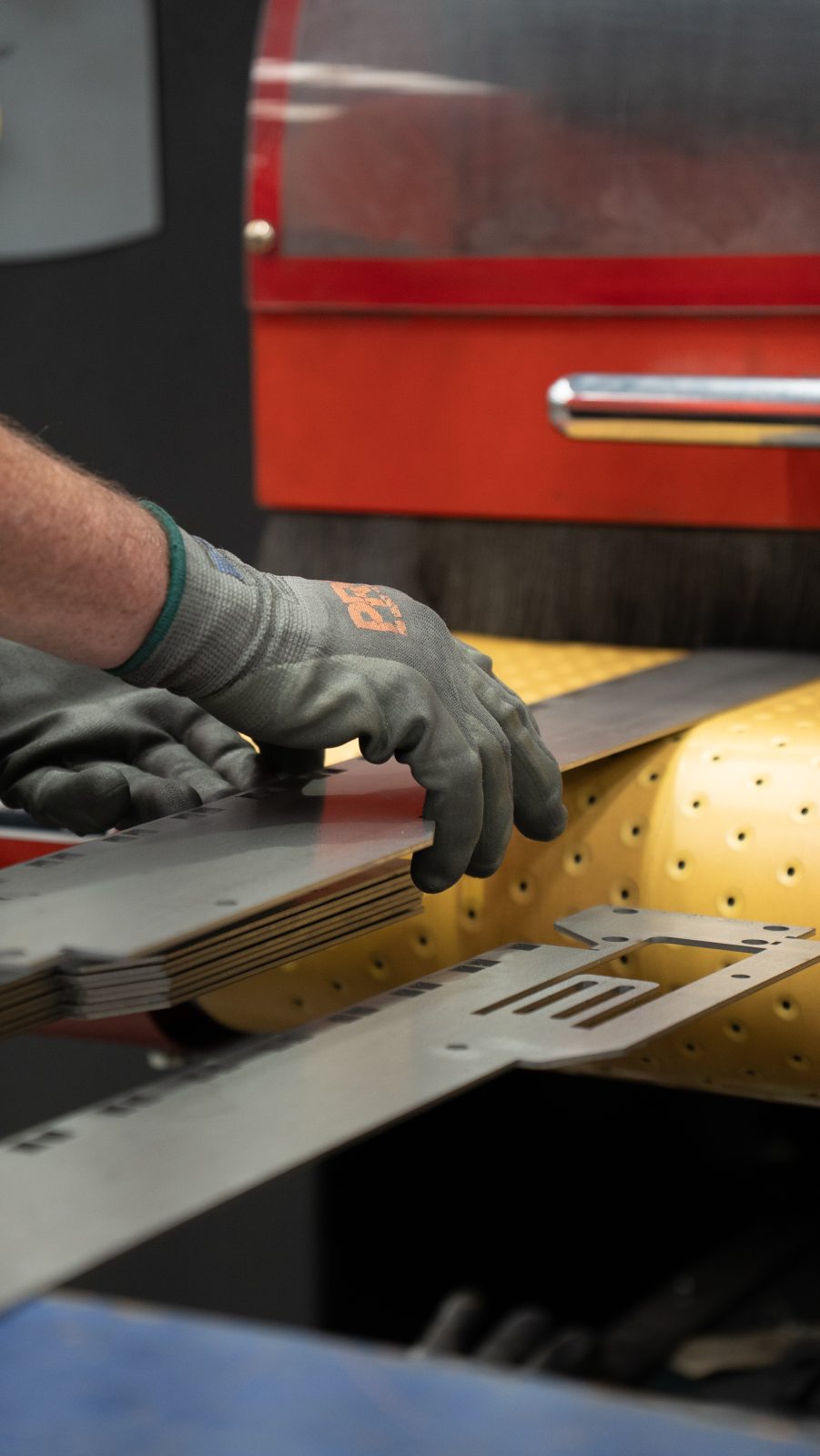
Manufacture the approved revision through the required processes, such as laser cutting, punching, CNC folding, welding, fastening and finishing.
Check the completed part against its agreed drawing, including nominated dimensions, fit and finish. Confirm any additional test or inspection records at quotation.
Protect finished aluminium surfaces and edges for dispatch. Confirm packing requirements, delivery destination and timing for each order.
A useful drawing specifies aluminium grade and temper, thickness, reference datums, bends, holes, joints, finish and functional tolerances.
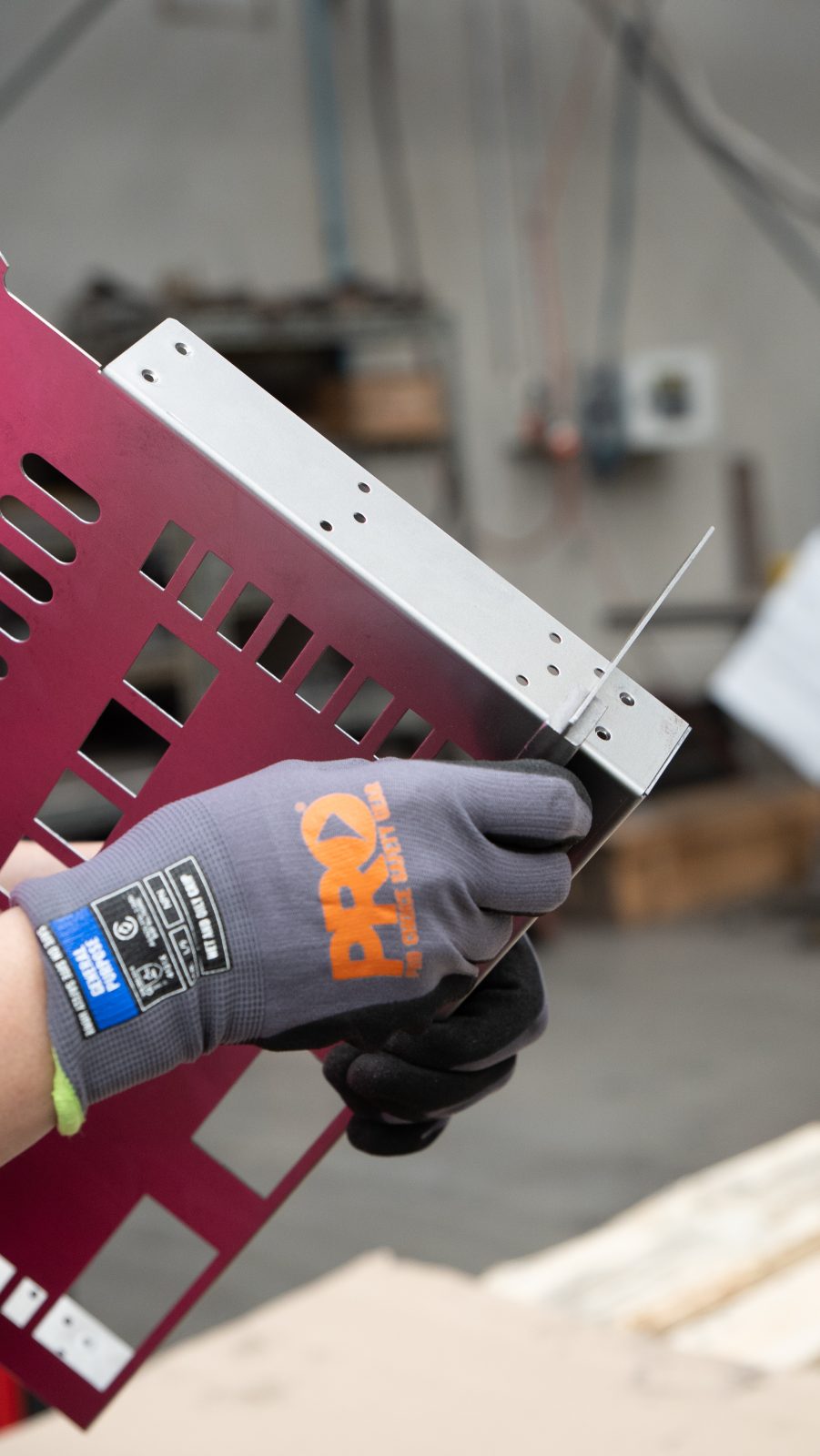
The dimensions that govern assembly need particular attention. For a folded cover, mounting-hole location relative to a frame can be more critical than an external overall dimension.
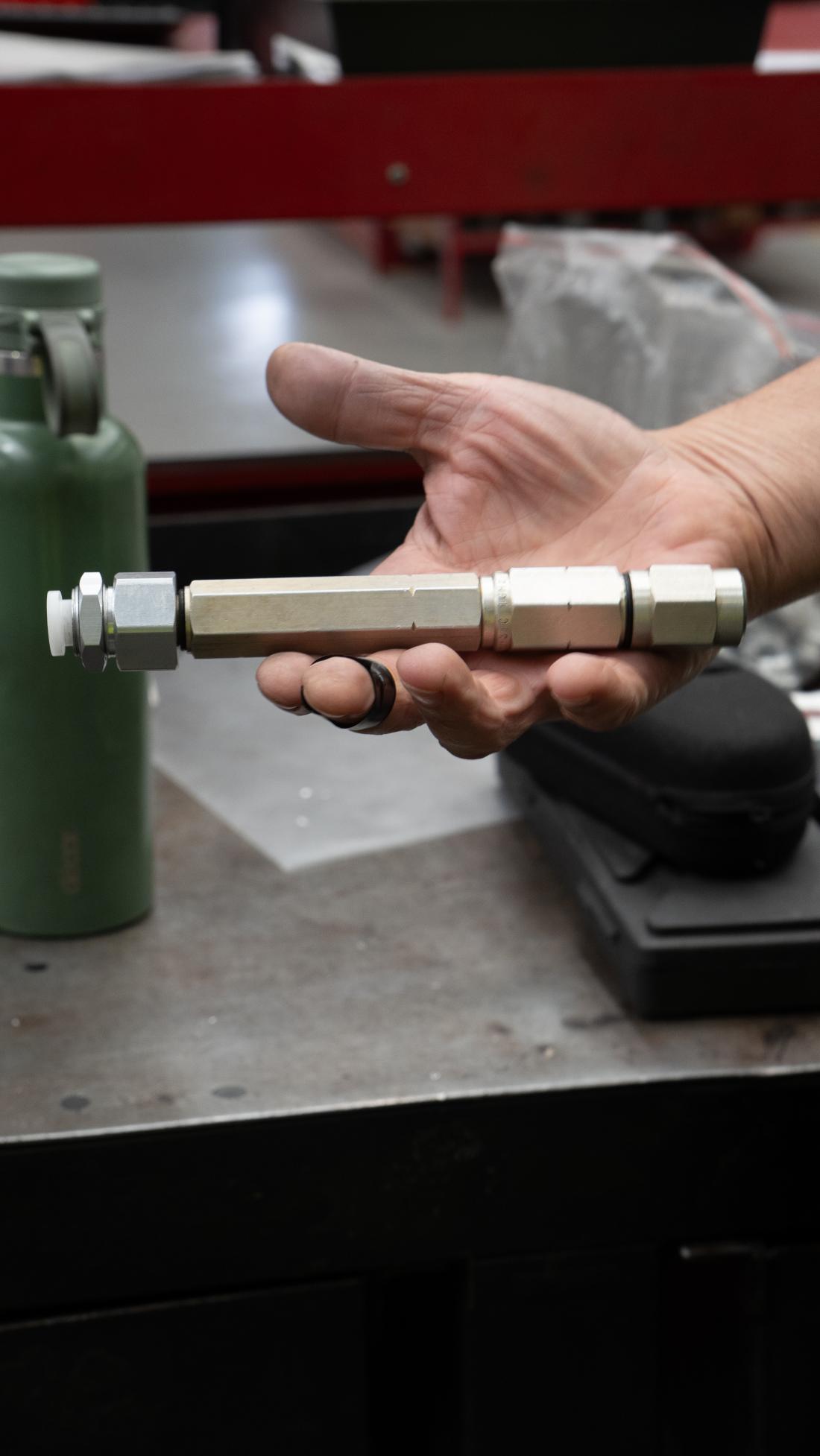
Agree those checks rather than assuming one tolerance applies to every feature.
For repeat orders, agree the evidence needed before manufacturing starts:
Amapro’s capabilities include dimensional inspection and functional testing. Job-specific records or traceability are agreed at quotation.
Pricing
Aluminium fabrication pricing depends on more than material weight. The selected alloy and temper, part geometry and production requirements influence the quote.
Costs and lead times are project-specific. Request a quotation against the approved drawing rather than using a generic per-kilogram rate.
A clear request for quotation helps Amapro check material suitability and manufacturing scope. Amapro accepts STEP/STP, DXF, DWG, IGES and PDF files; supply a dimensioned PDF with a model where practical. Include the drawing number, revision, units and file format; the aluminium alloy, temper, thickness and allowable alternatives; bends, holes, inserts, critical dimensions and mating parts; prototype quantity, batch quantity and repeat-order expectations; joining, finish, coating colour, masking and inspection needs; and the delivery location and target date.
Tie the quote and production files to the same drawing revision. A change to a fixing hole, bend or coating specification can alter manufacturing operations and price. For example, changing a powder-coated panel’s hinge position after prototype approval should trigger a drawing update and a check of affected fabrication files before a batch is released.
Questions
Aluminium parts, combined processes, production volumes, drawing review, tolerances, finishing and weight.
Yes. Amapro manufactures aluminium panels, brackets, enclosures and other drawing-led components. Alloy, thickness, geometry and production suitability are reviewed for each enquiry. For corrosion-resistant steel parts, see stainless steel fabrication.
Yes. Amapro can combine cutting, folding and suitable joining processes when the aluminium alloy, part geometry and assembly requirements permit. See the metal fabrication capabilities for broader process coverage, and sheet metal folding for CNC press brake work.
Yes. Amapro supports prototypes and low- to medium-volume sheet-metal production. Confirm quantities, repeat-order plans and tooling needs when requesting a quote. Machined components and assemblies are covered by precision manufacturing.
Yes. Amapro reviews drawings, models and early concepts for manufacturability before the manufacturing scope is agreed.
No. Achievable tolerances depend on alloy, temper, thickness, cutting method, folds and assembly geometry. Identify critical dimensions and the required inspection method.
Yes. Amapro provides in-house powder coating for fabricated metal components, including aluminium where suitable. Specify colour, finish, exposure and surfaces requiring masking.
No. Aluminium has lower density than steel, but the final assembly weight depends on thickness, reinforcement, geometry and attached hardware.
Send your aluminium drawing or concept with the application, material, quantity, finish and key dimensions. Include any critical fit or inspection requirements. Use Amapro’s contact form to attach drawings or call (03) 9794 7744. Amapro manufactures at 55–57 Ordish Road, Dandenong South VIC 3175.