01
Supply the drawing and model
Send the current technical drawing, and the model where available.
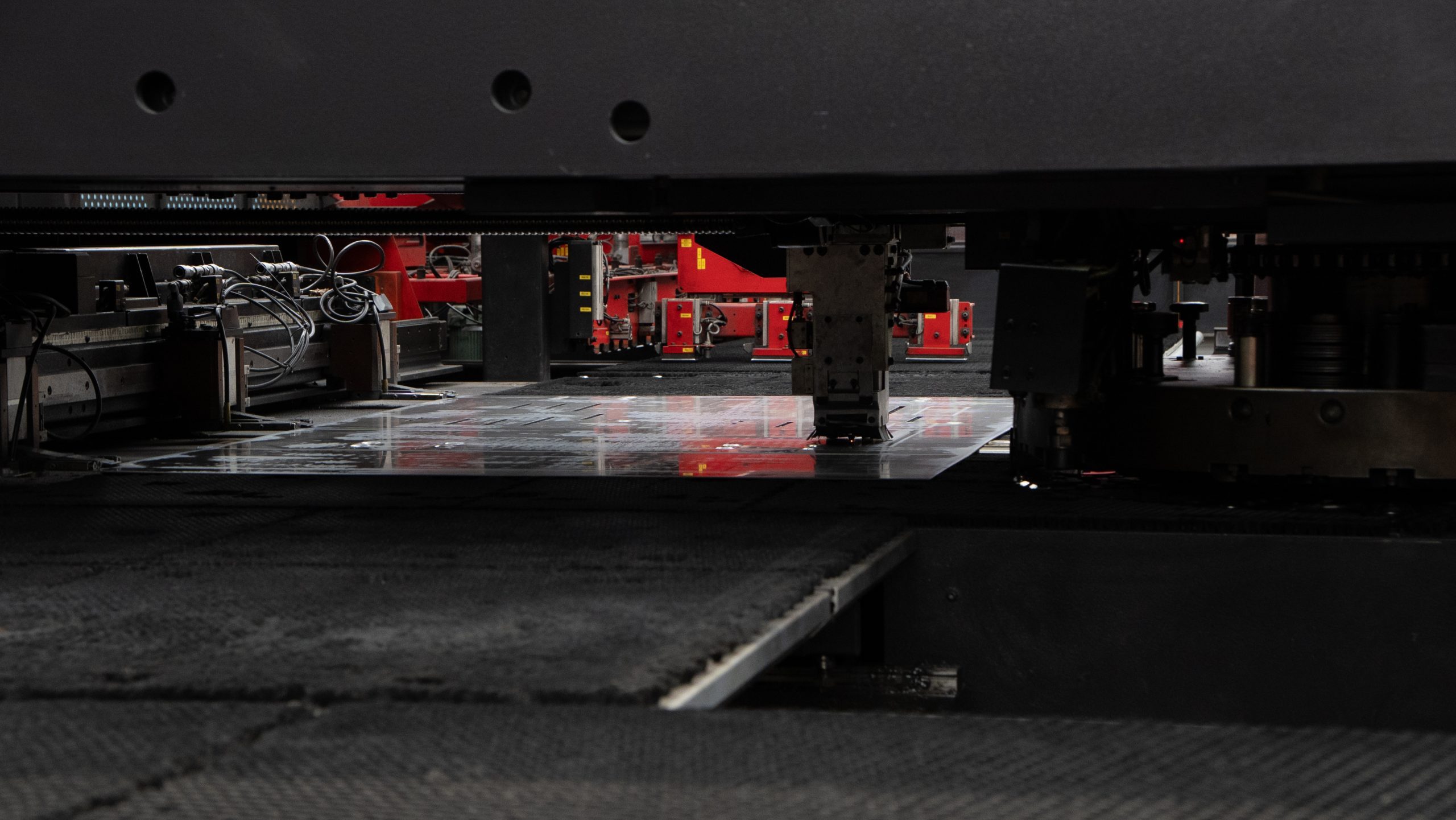
In-house CNC turning and milling in Dandenong South, Melbourne, for custom metal components such as bushings, spacers and fasteners, including parts for sheet metal assemblies.
CNC machining removes material from a workpiece to produce the required geometry. Amapro uses Haas CNC lathes and milling centres in-house, alongside our sheet metal equipment.
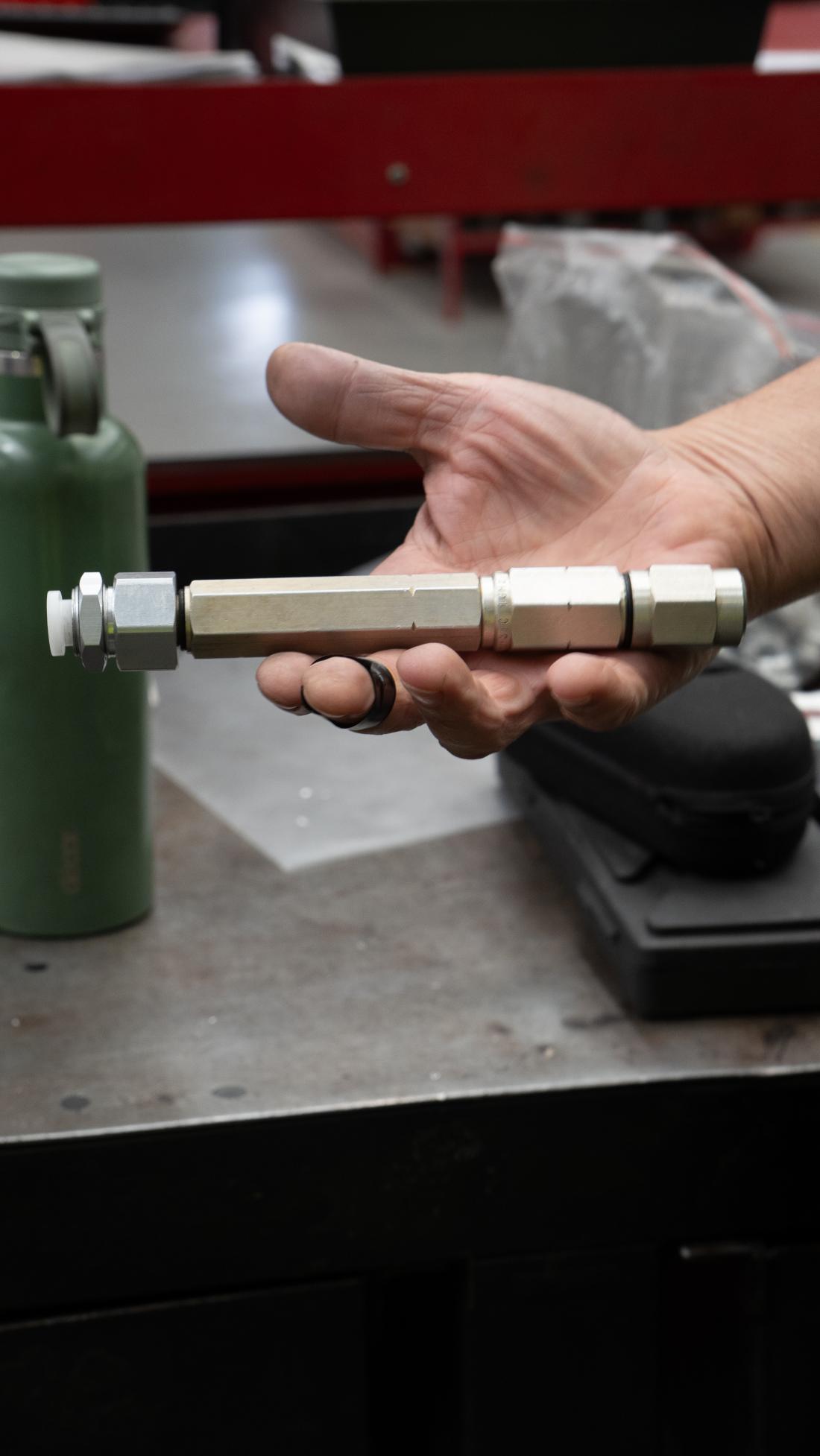
Turning creates rotational features; milling produces flats, slots and pockets. Send your part specifications so we can confirm the appropriate process and whether the job fits our manufacturing scope.
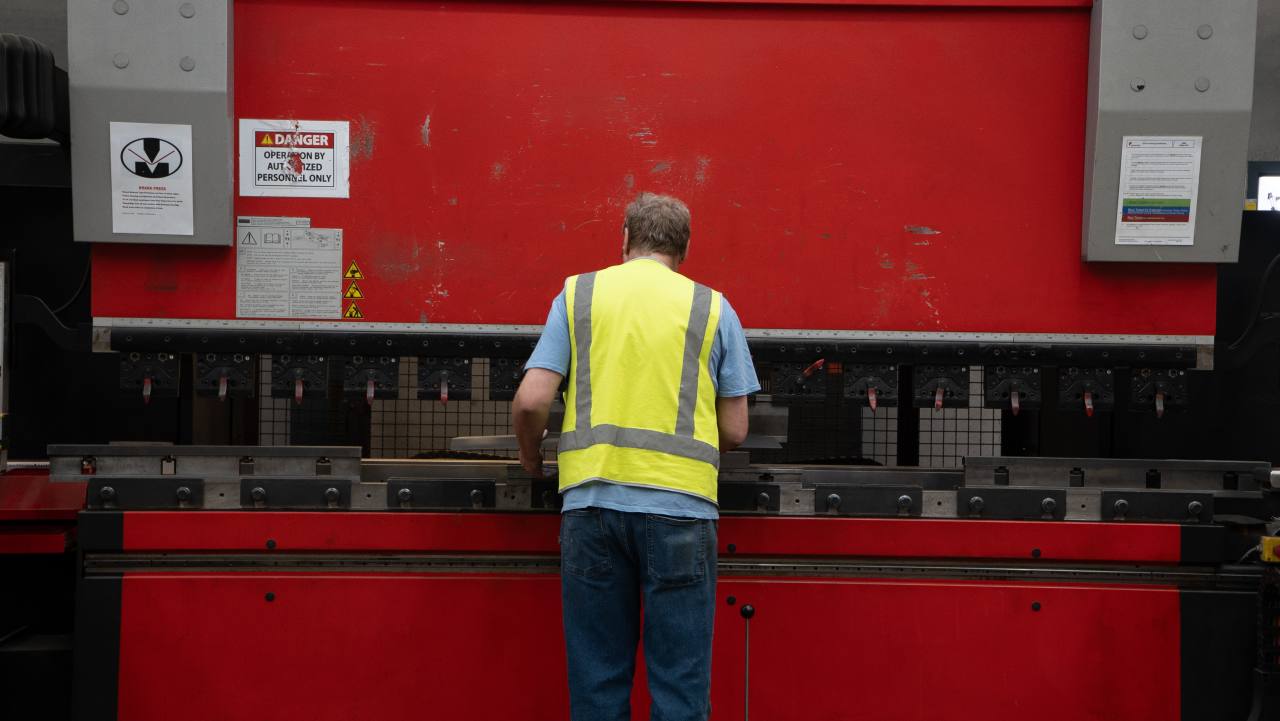
We work with engineers, OEMs and procurement teams to review component geometry, material requirements and production quantities, from prototype enquiries to repeat component orders. Contact our engineering team to confirm whether your machining project suits our capabilities.
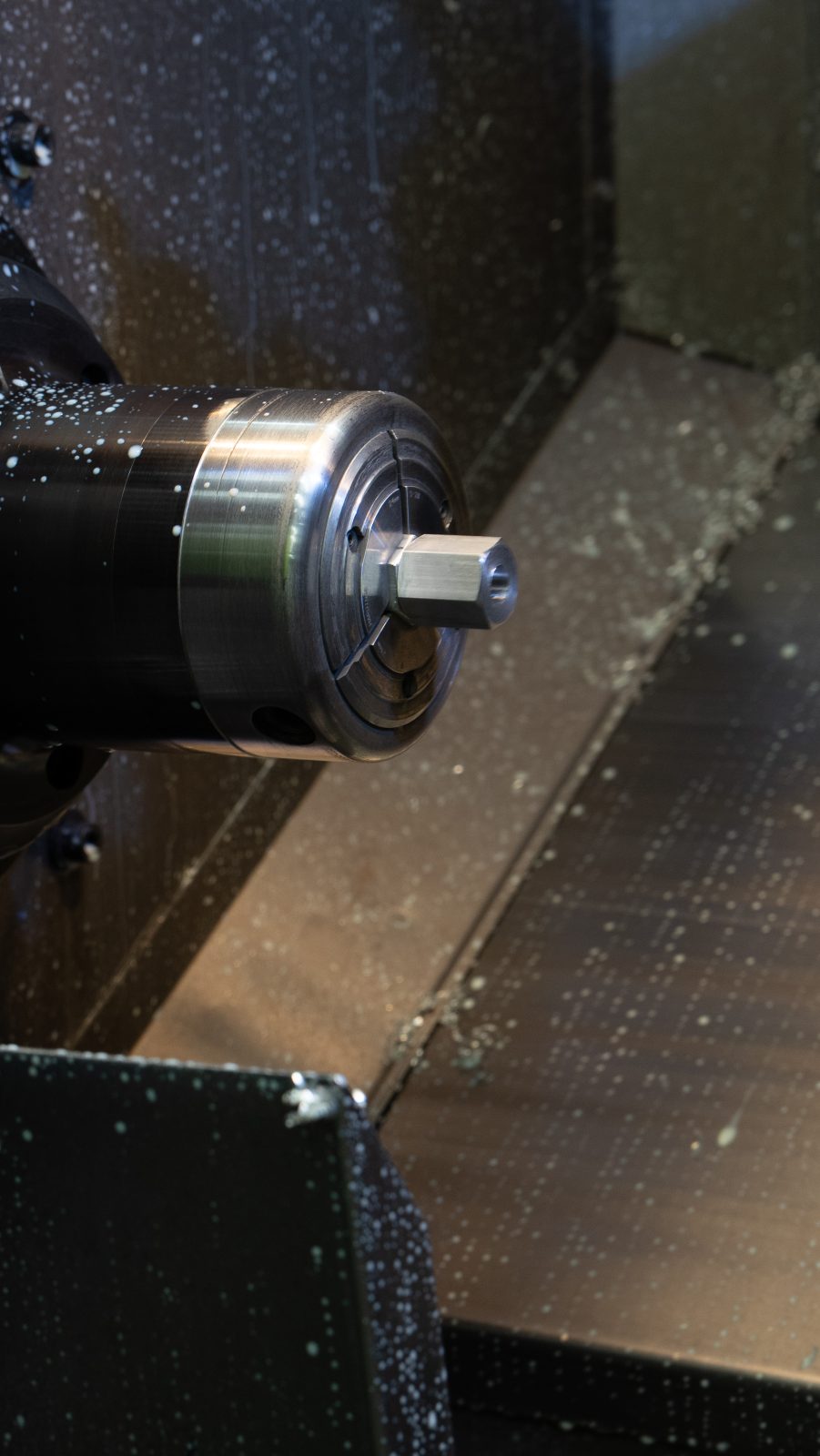
Our Haas CNC lathes produce cylindrical features such as those found on bushings, spacers and custom fasteners. In turning, the workpiece rotates against a cutting tool to create the required profile. For a turned part with a bore, thread or stepped diameter, include the relevant dimensions and thread specification on your drawing. A long or slender component may require a different setup from a short spacer, so we assess the geometry before accepting the job.
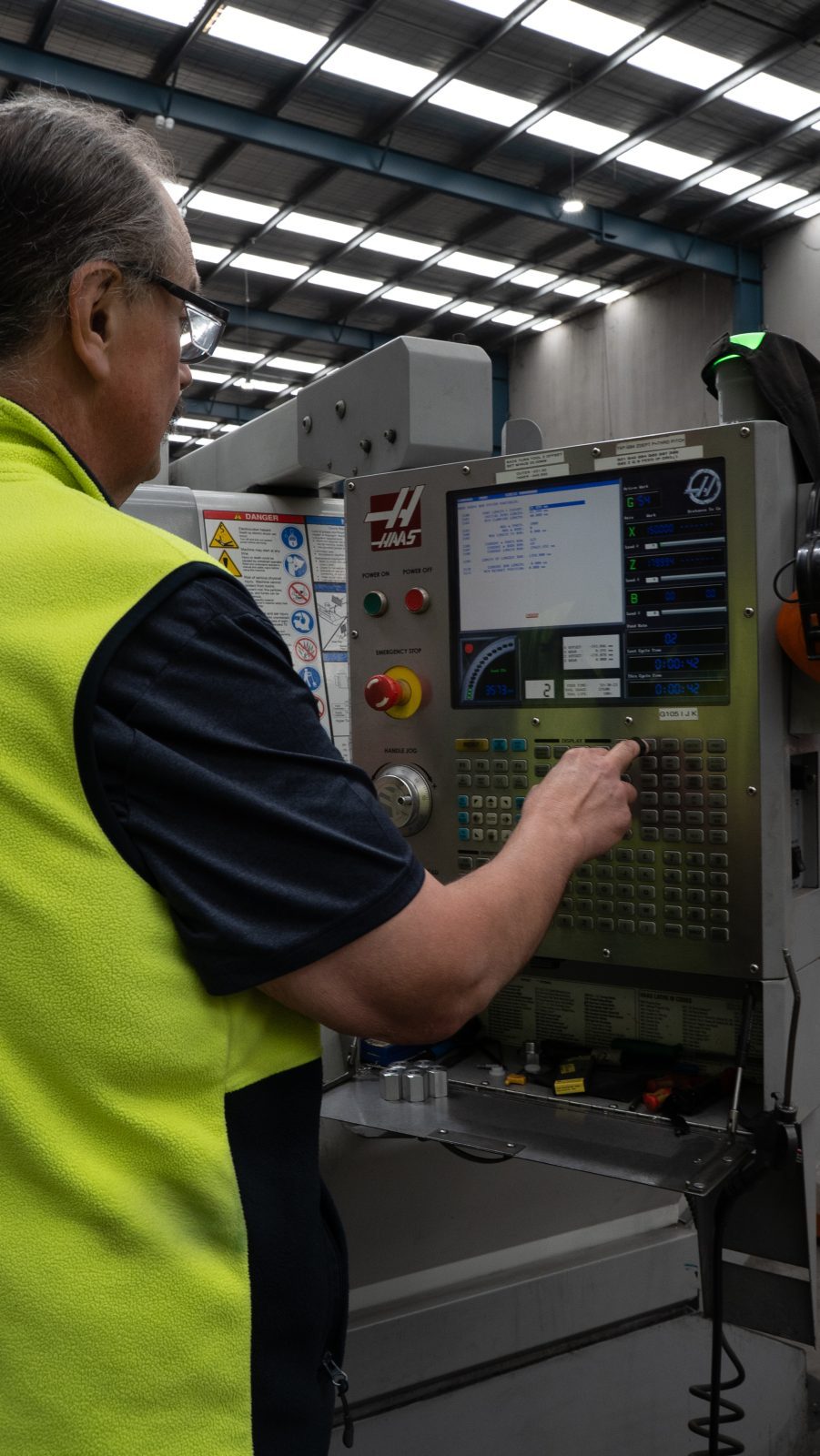
Our Haas CNC milling centres use rotating cutting tools to create features such as flats, slots and pockets. Milling is useful when a component needs a non-cylindrical shape or a machined surface to locate against another part. Specify the width and depth of slots, the location of pockets and any critical mating surfaces. The available tool access and workholding arrangement help determine whether the features can be machined as drawn.
Components
We manufacture components to customer specifications rather than offering a fixed catalogue of standard parts. Common examples of our machining capabilities are below. If a component is part of an existing assembly, include the mating part or assembly drawing so that the required fit and function can be assessed.
| Component | Typical function | Key drawing requirements |
|---|---|---|
| Bushings | Locate or support a mating part | Bore, outside diameter, length and fit |
| Spacers | Maintain separation between parts | Length, end faces and mounting clearance |
| Custom fasteners | Join parts to a defined specification | Thread, head geometry and material grade |
The specified metal grade, part geometry and finished requirements determine material suitability. Provide the alloy or grade rather than a broad material description, particularly where strength, corrosion resistance or surface finish is critical. For an aluminium or stainless steel part, specify the grade and any required material condition. A metal grade suitable for sheet metal forming may not suit the proposed machining operation. Our engineering team can confirm material suitability and availability during the enquiry review. For formed and welded parts in these metals, see aluminium fabrication and stainless steel fabrication.
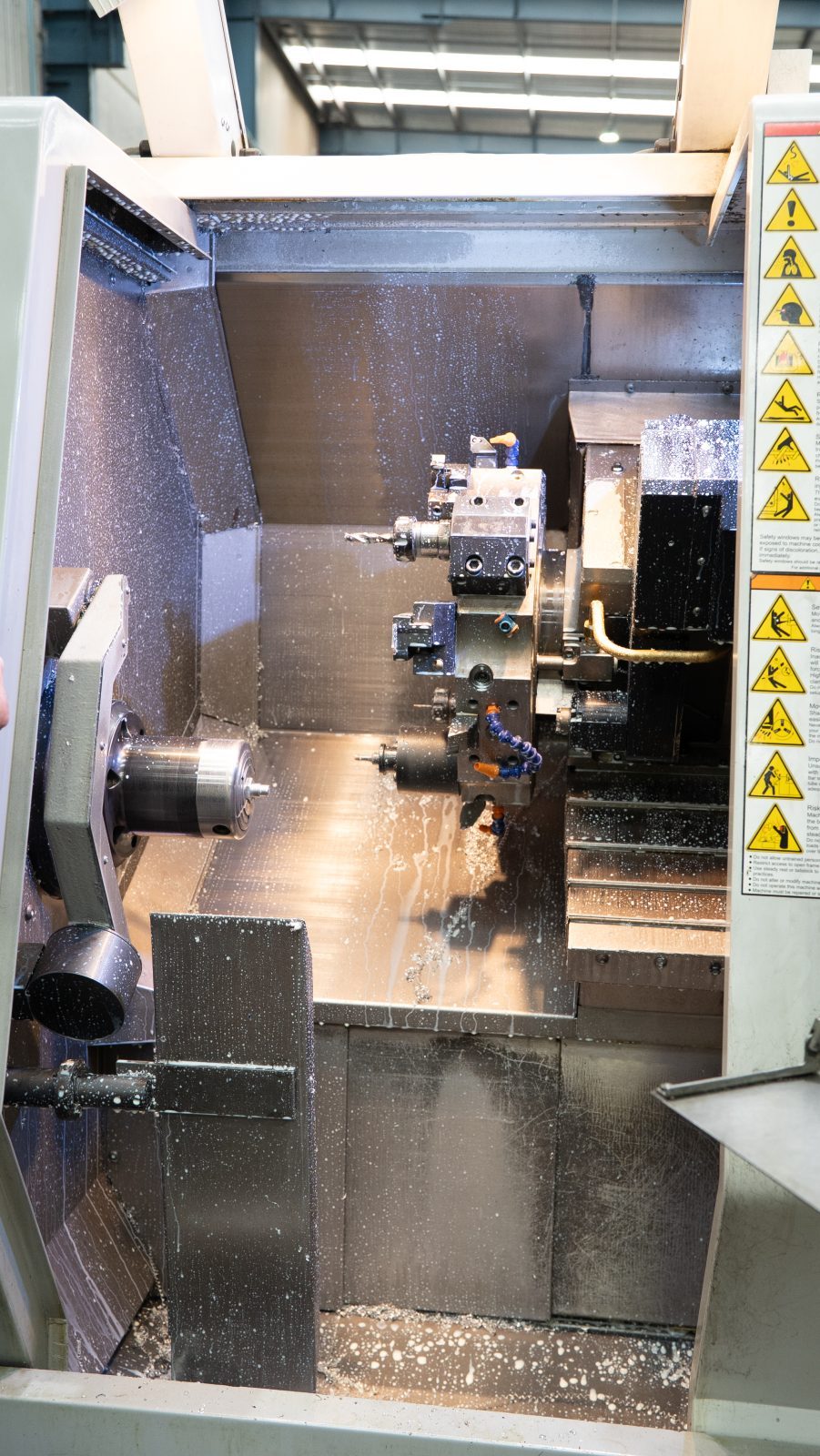
Specify the alloy or grade, not a broad material description.
Request a quoteMachining capacity depends on the workpiece dimensions, how it can be held and the cutting tool’s access to each feature. For a turned part, provide the overall length, largest diameter and any bore depth. For milling, provide the overall length, width and height along with pocket depths and other features that restrict tool access.
Features close to an edge or on multiple faces can limit workholding and tool access. Send the overall part dimensions and any deep bores or recesses so we can check the required setup against our equipment. We confirm the applicable capacity for the proposed job during review.
Tolerances
We agree machining tolerances against the component drawing before production. Material, feature geometry, cutting operations and subsequent finishing all affect what can be achieved, so a specified tolerance is assessed for feasibility before it is accepted as a manufacturing requirement. Identify the dimensions that control function, such as the bore of a locating bushing or the length of a spacer that establishes a mounting gap. Distinguishing these from non-critical dimensions helps us review the machining requirements without applying unnecessarily tight limits to the entire part.
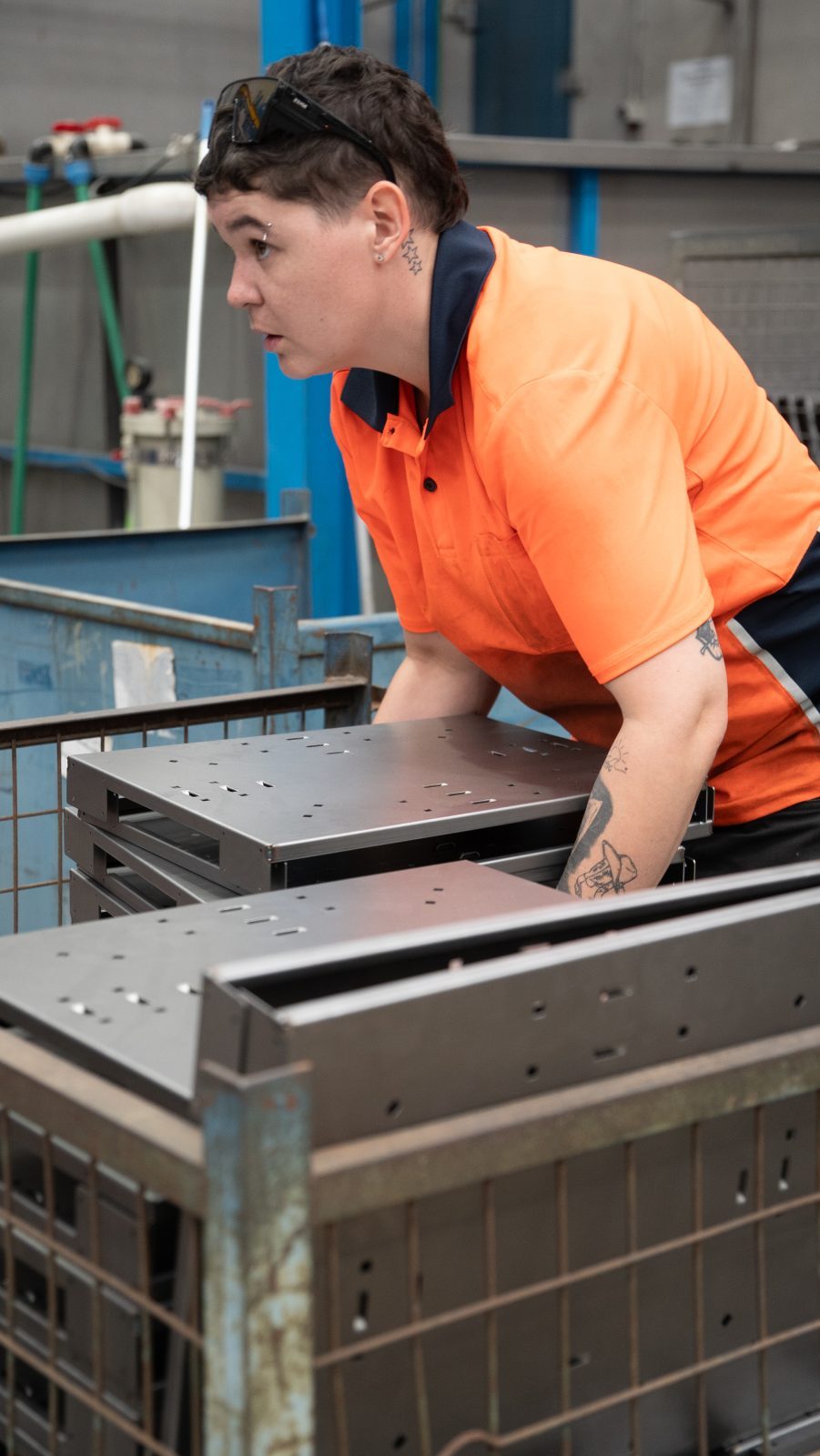
Dimensional checks are based on the agreed drawing and acceptance criteria. Before production, identify the features to be checked and specify whether the requirement applies to individual parts, the completed assembly or both: identify the current drawing revision and the dimensions or features that control fit; agree the acceptance limits and the required inspection method and frequency, where specified; and confirm whether dimensional, finish or fit checks are required before delivery. If your purchase specification requires a particular inspection record or traceability document, discuss its scope during quotation.
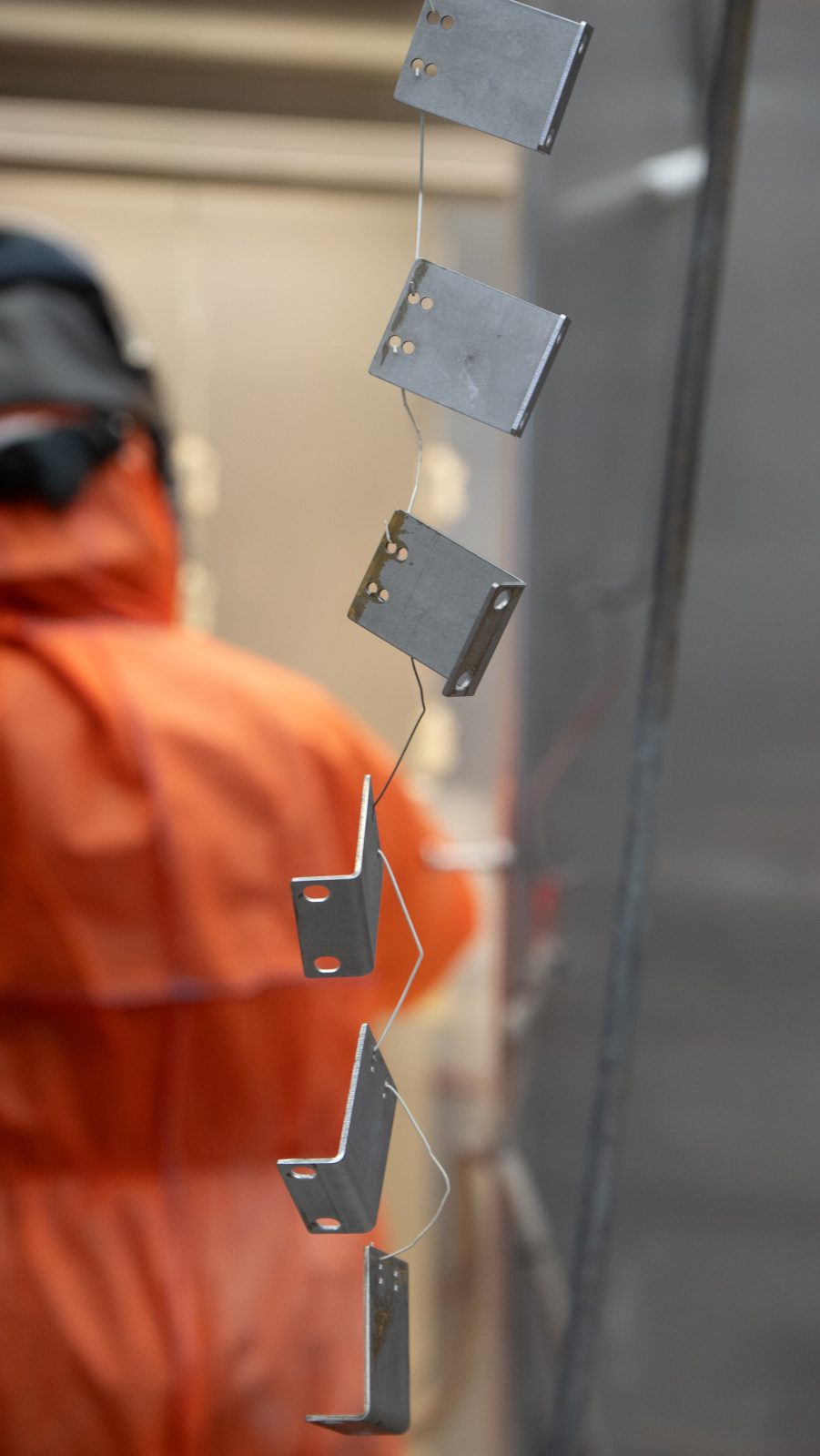
Finishing can alter the fit of a machined feature. A coating that adds thickness to a bore can reduce its available clearance; a coating on an external locating surface can increase its finished size. This matters even when the unfinished component meets its drawing dimensions. For a close-fitting bore, thread or locating face, specify the finished dimension and identify any surfaces that must remain untreated. We can review masking or an allowance for the selected treatment. Amapro provides in-house deburring and powder coating and coordinates specialist treatments where suitable.

Batches
Amapro supports prototype development and small- to medium-volume manufacturing, including repeat production. Suitable CNC machining batch sizes depend on the component and operations required.
For recurring orders, share a batch forecast and delivery schedule so we can plan the required quantities and review available capacity.
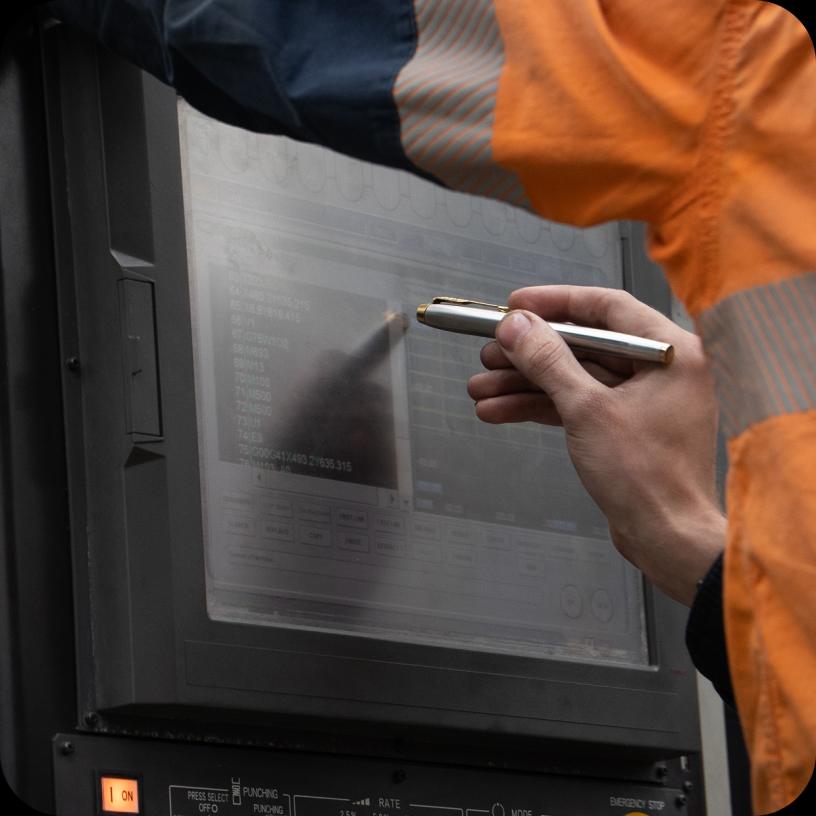
Our engineering team uses SolidEdge and SolidWorks and offers CAD/CAM development and design-for-manufacture support. Drawing review helps determine which features are suited to turning or milling and whether the part can be held and accessed during machining.
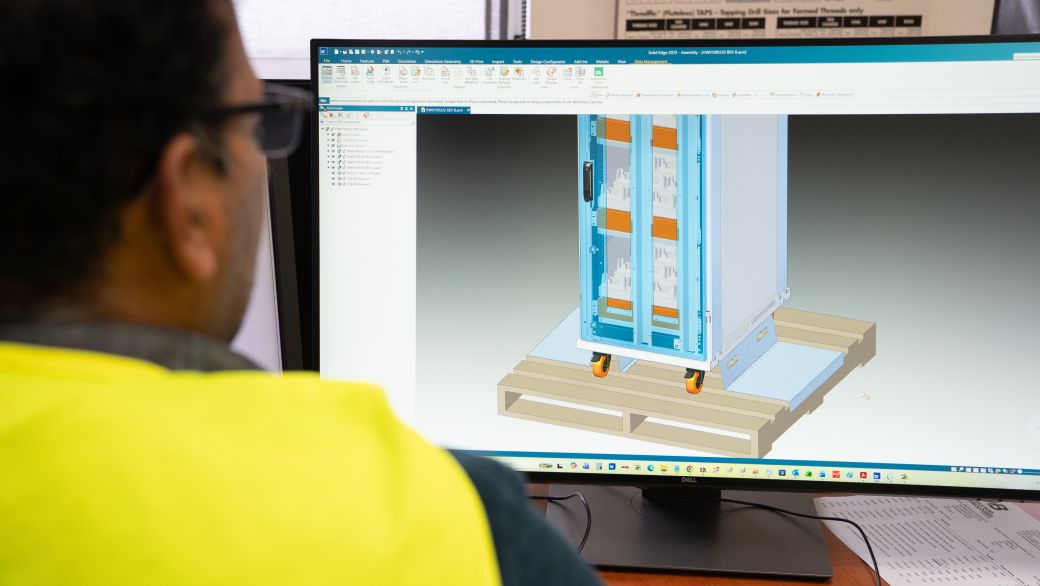
Flag the features that cannot change because of fit or function.
Request a quoteHow a drawing is prepared for machining.
Send the current technical drawing, and the model where available.
Identify the features that cannot change because of fit or function.
Confirm which features suit turning or milling, and how the part will be held and accessed.
If a feature can be revised to improve manufacturability, agree the change with the design owner.
Update the drawing before production.
Assemblies
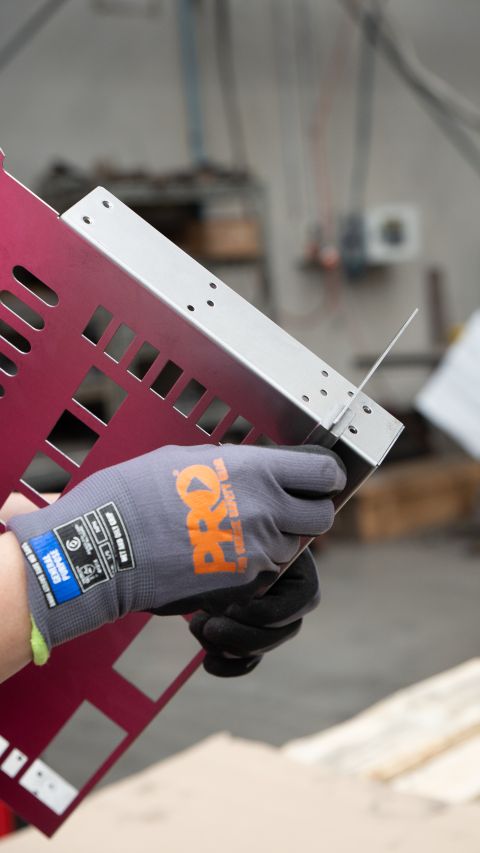
Amapro’s machining capability complements our sheet metal cutting, forming, welding and assembly processes.
3 capabilities
The relevant dimensions and clearances need to be agreed for the finished assembly, not just the machined part in isolation.
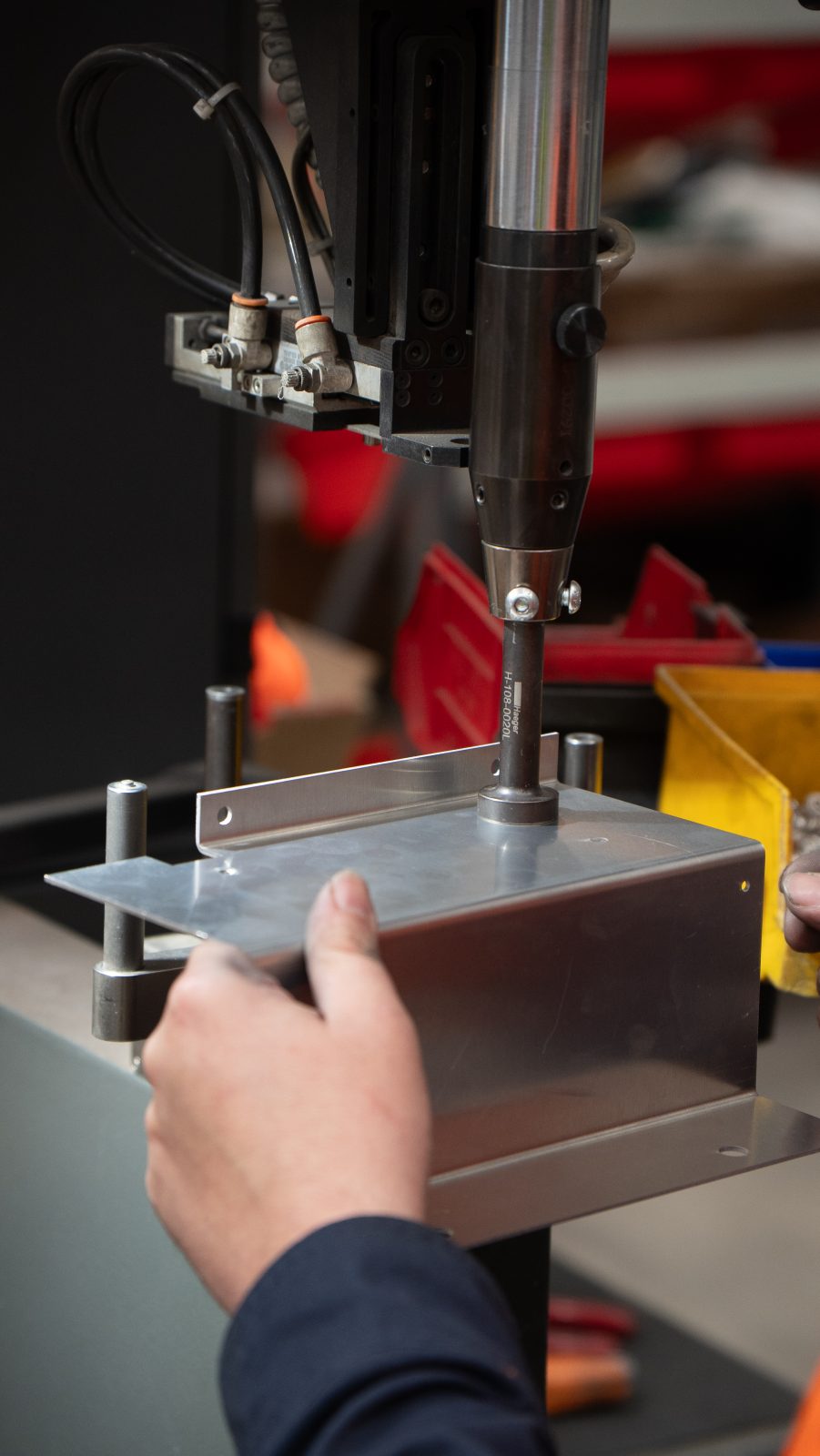
Its length controls the separation, its mounting bore must align with the bracket hole, and its end faces must seat against the adjoining surfaces. The relevant dimensions and clearances need to be agreed for the finished assembly, not just the spacer in isolation.
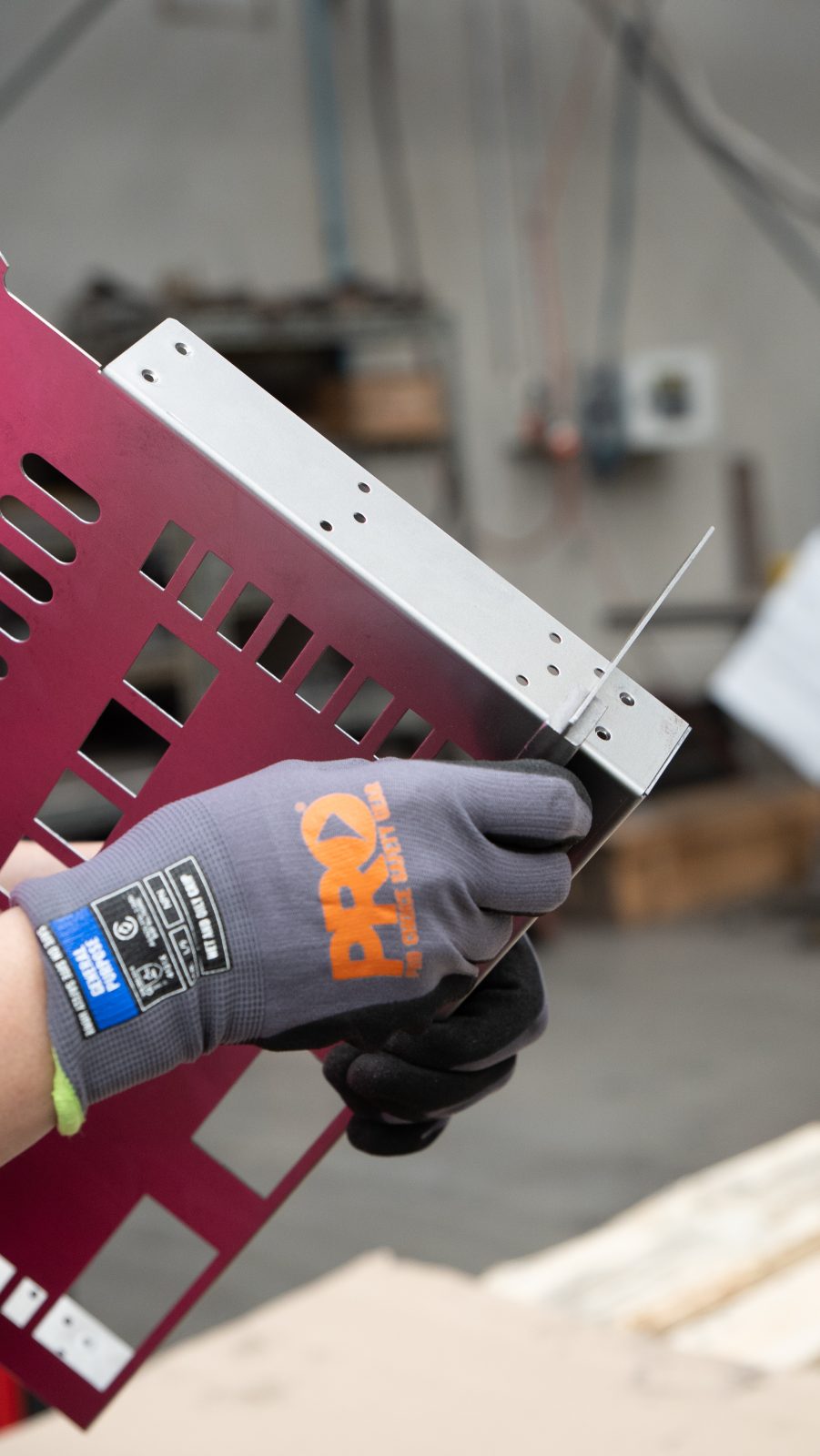
Explore our precision manufacturing services for the wider manufacturing and assembly workflow.
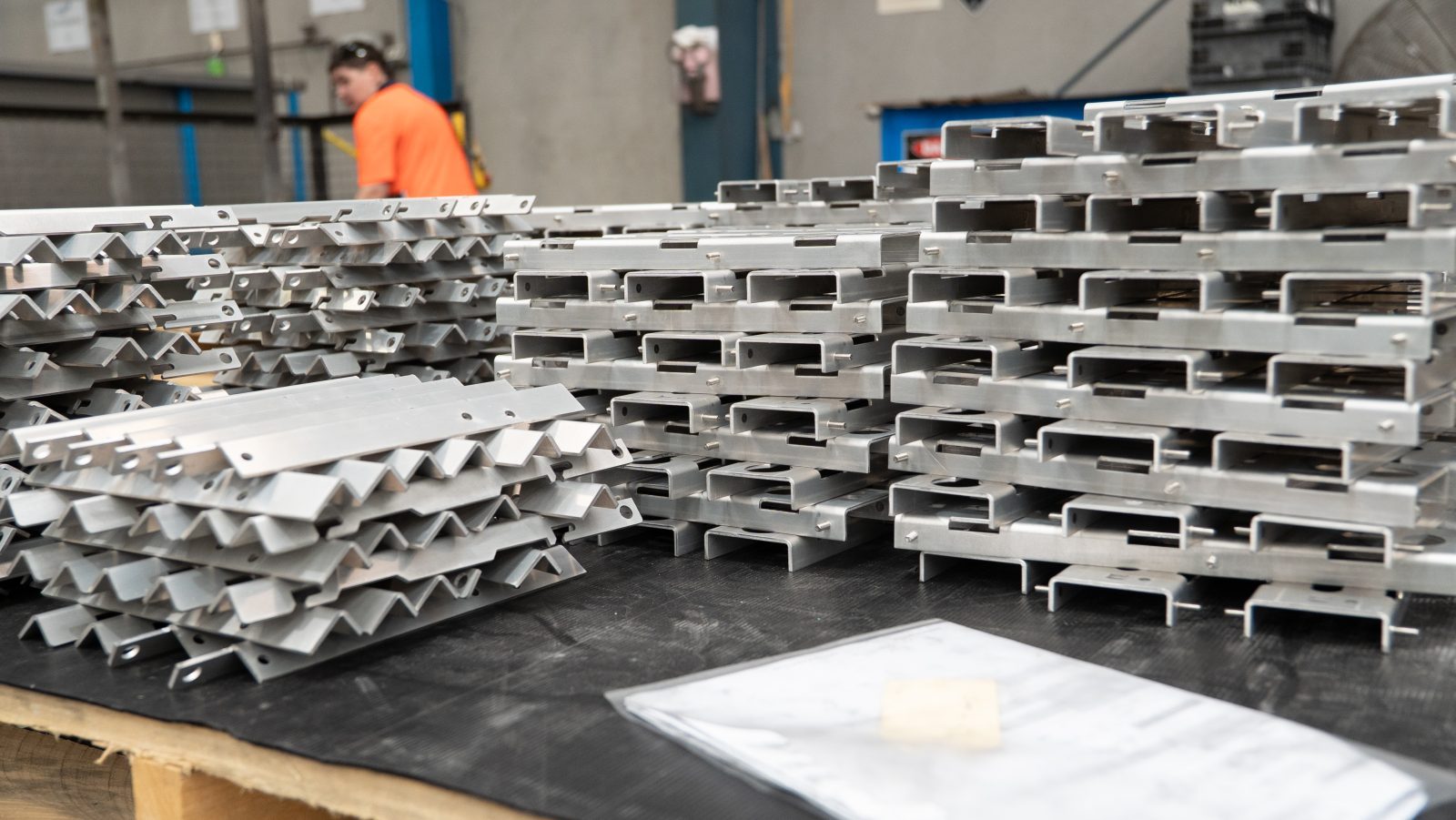
Cost
CNC machining costs are determined by the requirements of the individual job. The main considerations when comparing a quotation include the material grade, part complexity, production quantity, required tolerances, finishing and agreed inspection.
Lead times depend on material availability, the machining operations required, production quantity and any finishing, inspection or approval stages. External surface treatments and late drawing revisions can also affect when the components are ready.
Provide your required delivery date at the enquiry stage. If an assembly programme needs parts in stages, specify the quantity required on each date so we can assess scheduling and delivery options.
Quoting
Send us your component details so we can review machining suitability and prepare a quotation. Include the following information where available:
If the design is still being developed, a dimensioned sketch or sample can start the discussion. We can advise what further information is needed before confirming pricing and production requirements.
Questions
Samples, files, delivery, specialist finishes, early enquiries and inspection reports.
Yes. A physical sample can be the starting point for a reverse-engineering enquiry. We need to establish the intended function, material and critical dimensions before deciding whether the replacement can be machined. A worn or damaged sample may differ from its original specification, so a drawing may need to be approved before manufacture.
Yes. STEP and STP files are accepted for Amapro fabrication enquiries, including sheet metal fabrication. For CNC machining, contact our engineering team to confirm whether the STEP model is suitable for the proposed operation and how to submit it. Include a dimensioned drawing where available, specifying critical tolerances, material grade and finish.
Yes. We manufacture in Dandenong South and supply customers across Australia. For machined component orders, provide the delivery destination, target date and any packaging requirements so that freight or collection arrangements can be confirmed as part of the quote.
Yes. We coordinate specialist surface treatments through our partner network, including zinc plating, electroless plating and galvanising. The treatment must be suitable for the material and machined features. We confirm any finish-sensitive dimensions, masking requirements and external processing arrangements for the specific component.
Yes. An early concept, dimensioned sketch or sample can start a manufacturing enquiry. Tell us what the part must do, its approximate geometry, preferred material, quantity and target date. A production-ready drawing or model may be required before we can confirm the final machining quote. For formed parts at the concept stage, see sheet metal prototyping.
Yes. Inspection reports can be requested during quotation. Specify the critical characteristics, drawing revision, required measurement method, inspection frequency and reporting format. The availability and scope of the requested records need to be agreed before the purchase order is placed.
Send your drawings to Amapro for a CNC machining quote, or call (03) 9794 7744 to discuss your components with our Dandenong South team.