01
Drawing review
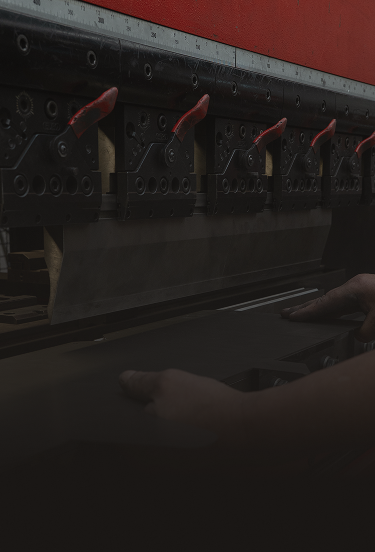
Confirm the drawing revision, material, quantity, critical features and finish.
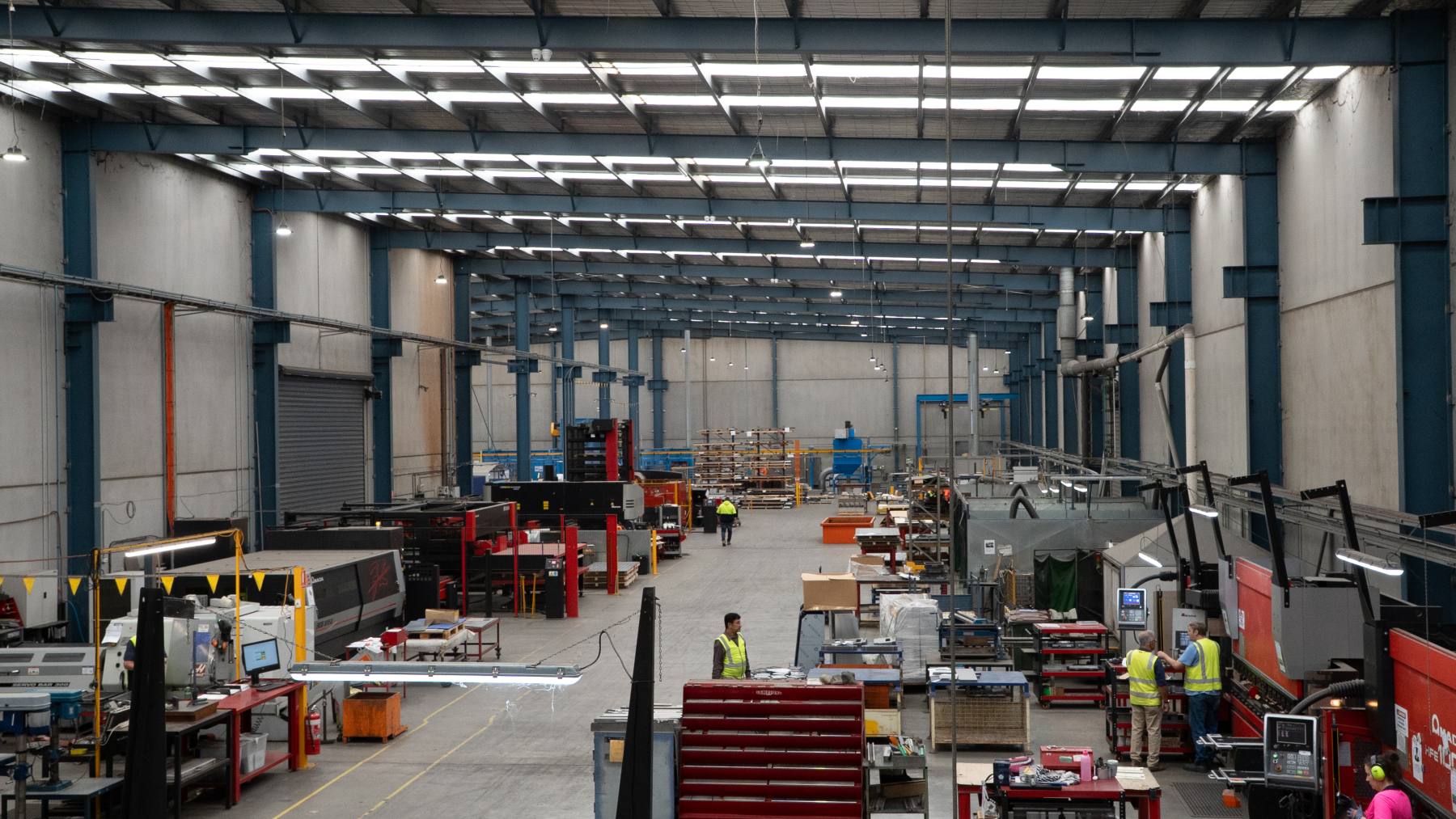
Amapro provides industrial welding services for precision sheet metal components and assemblies. From our Dandenong South facility, we support manufacturers, engineers and procurement teams across Australia with manual MIG and TIG welding, robotic welding and resistance spot welding.
Sheet metal assemblies
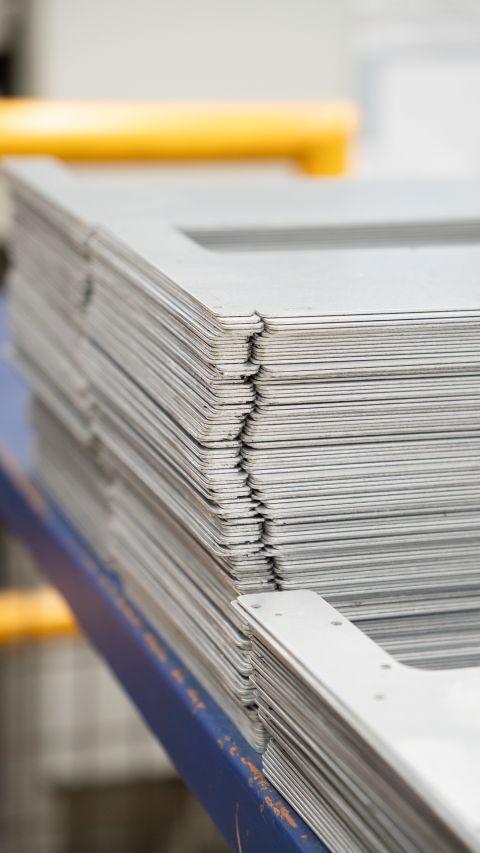
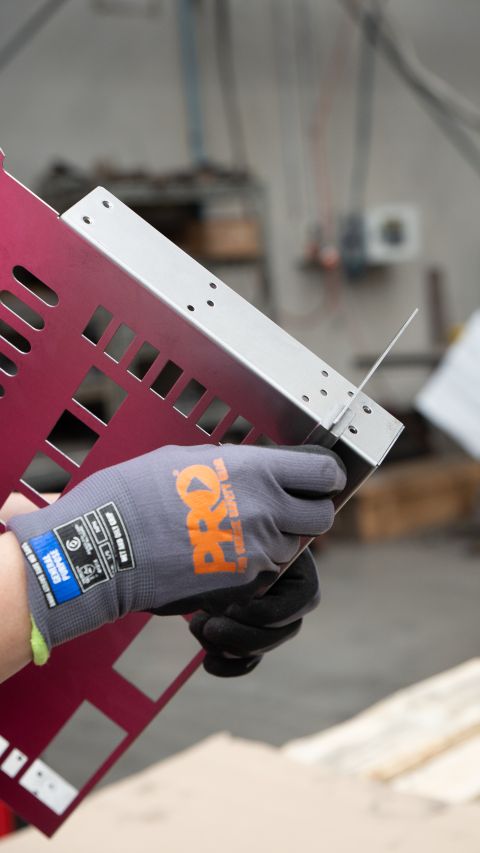
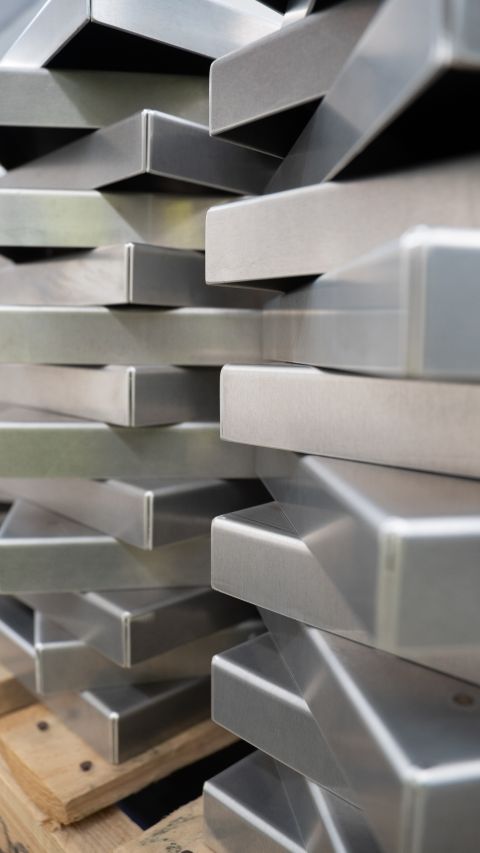
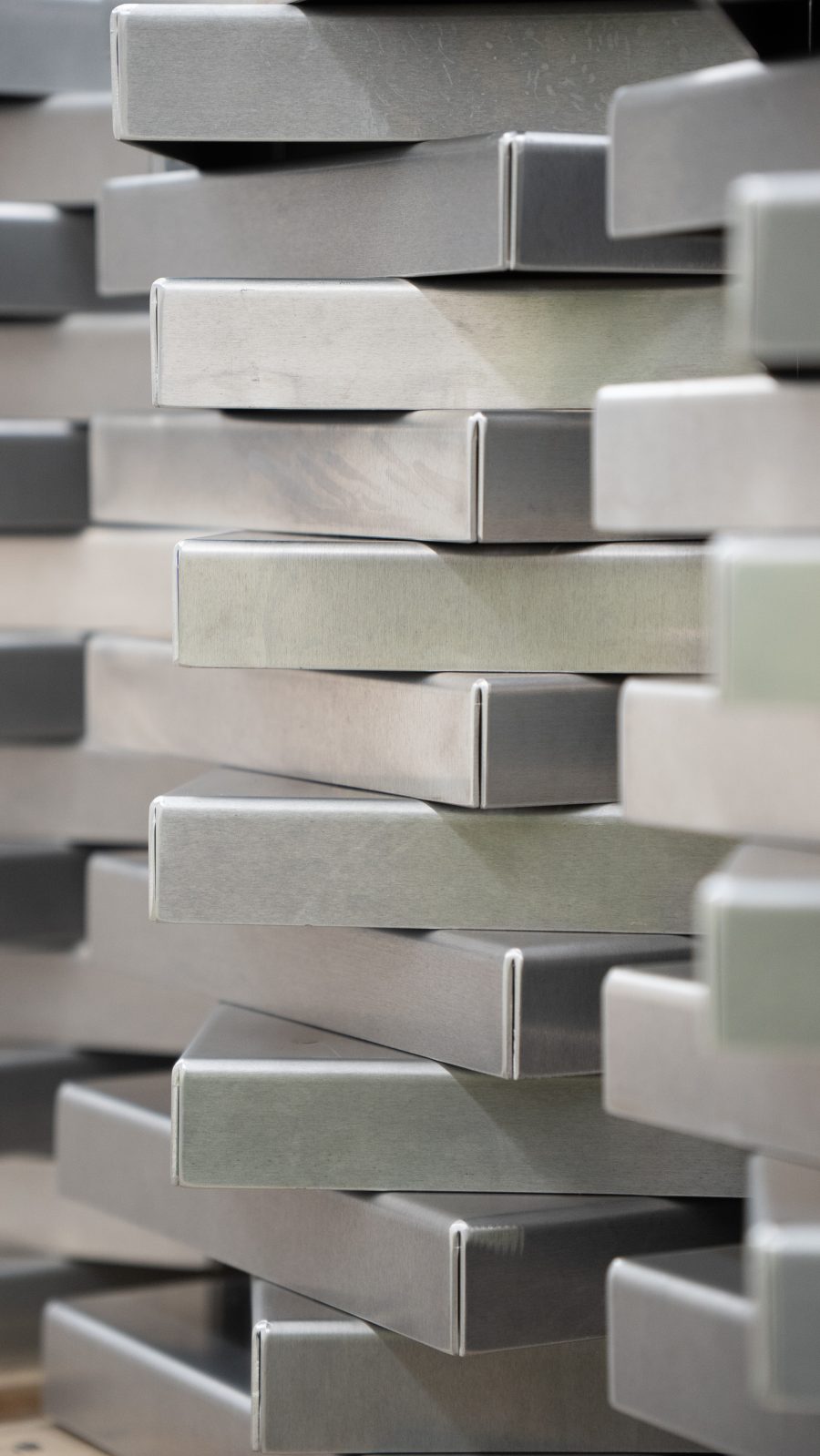
Our welding service joins fabricated metal parts into assemblies built to your project requirements. We focus on workshop-based precision sheet metal manufacturing, from one-off prototypes to small- and medium-volume production runs. Typical fabrication requirements include enclosures, chassis, panels and mounting brackets where the design calls for welded joints.
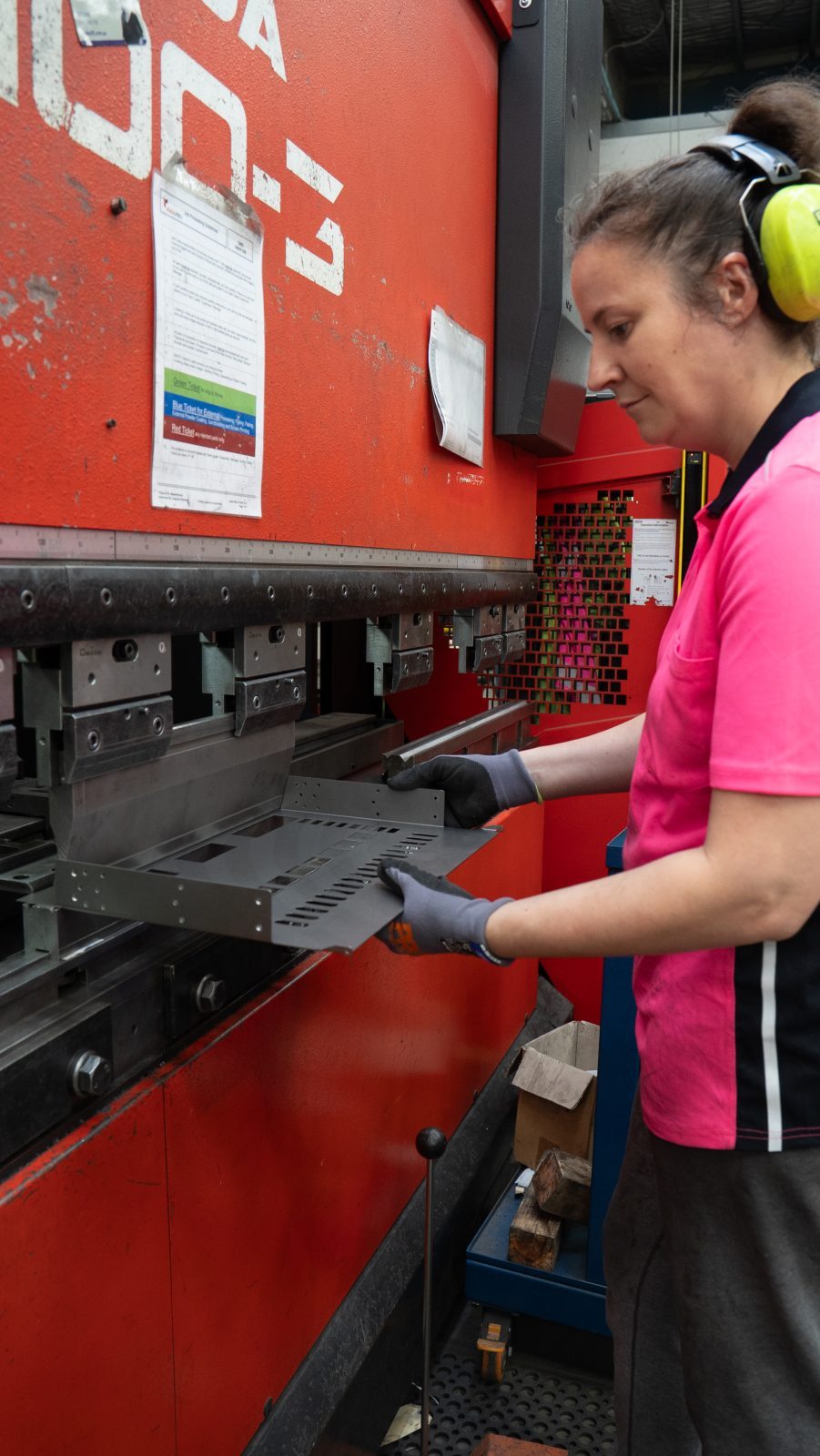
Bring us a prototype, a production drawing or an existing part. Welding is part of our wider sheet metal manufacturing capability: we combine cutting, forming, welding, powder coating and assembly in-house, with specialist surface treatments coordinated through external partners where required. Cutting and forming are covered by our sheet metal fabrication service.
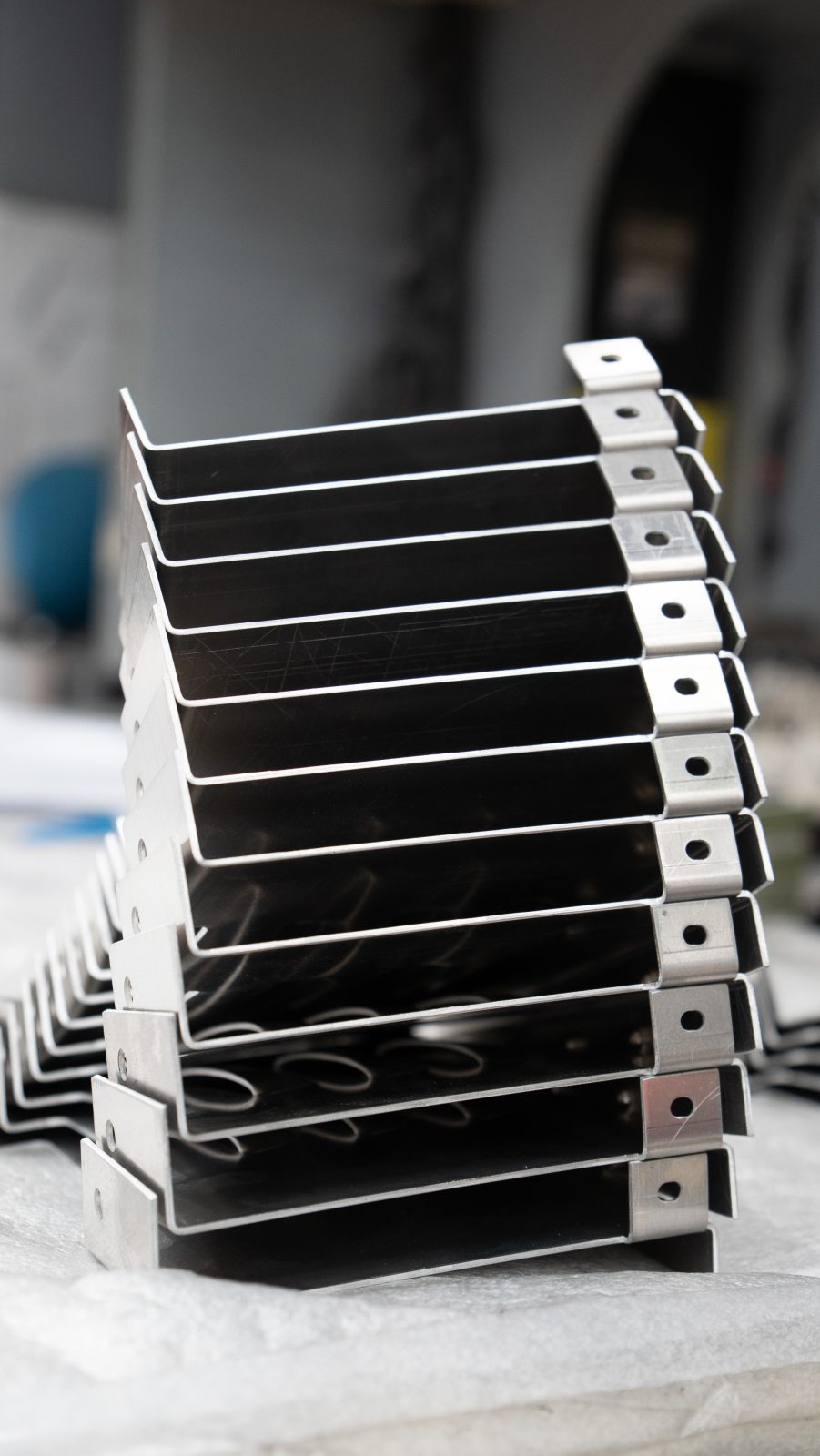
Our focus is manufactured components, rather than large structural steelwork such as load-bearing building frames and mezzanines. We can review your requirements and combine welding with cutting, forming, finishing and assembly to manufacture the component you need.
We offer manual MIG and TIG welding, resistance spot welding and robotic welding for repeat production.
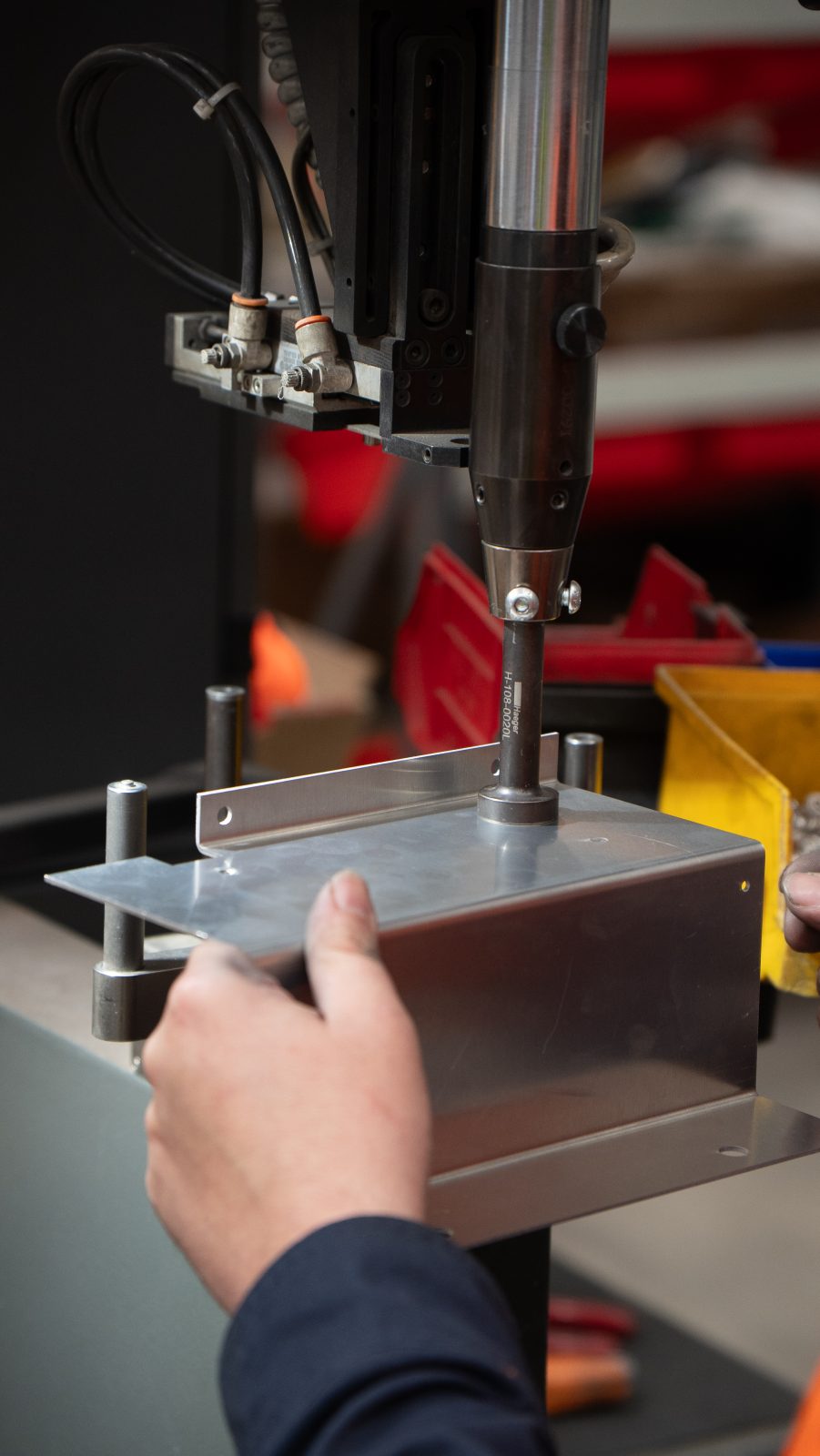
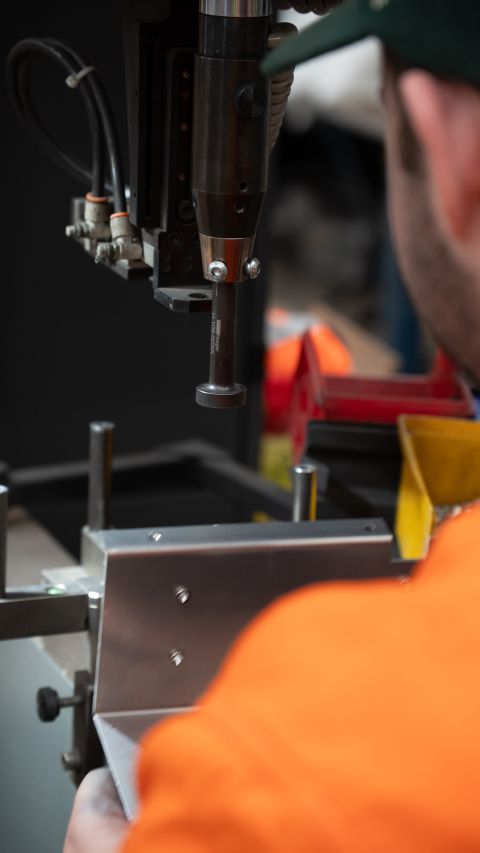
MIG, TIG and resistance spot welding are joining processes; robotic welding is an automated approach to production. We also provide stud welding, fastener insertion and clinch nut fitting for assemblies that require additional attachment points.
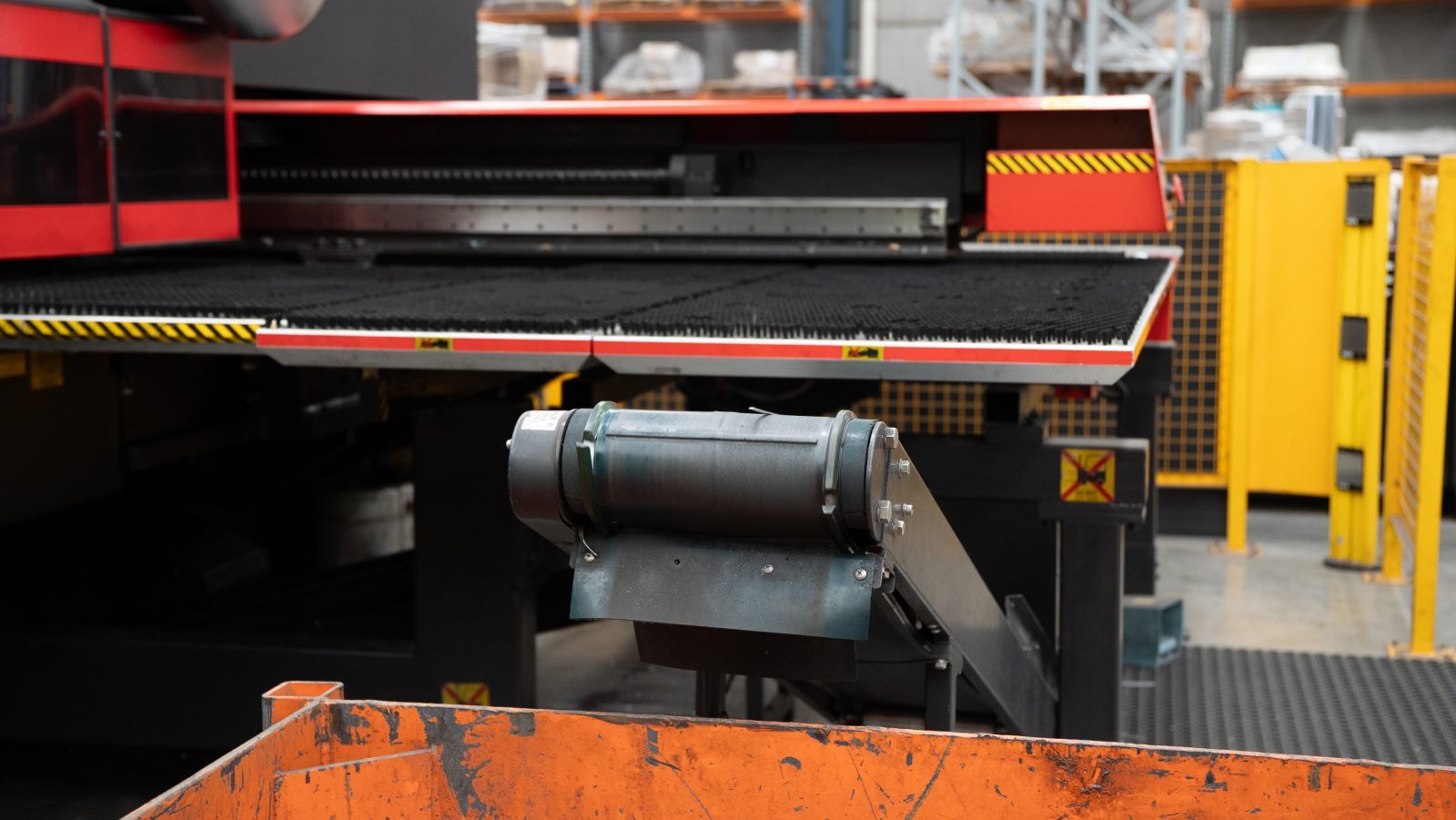
Process selection depends on the material, joint geometry, access, finish and quantity.
Our manual MIG and TIG welding stations support prototypes and one-off components. The comparison below helps identify which process to discuss with our engineering team. Final selection depends on the material grade, thickness, joint design and acceptance requirements.
Our OTC robotic welder supports repeat production. Components with consistent geometry and an established drawing revision are candidates for assessment. Before selecting robotic welding, consider whether the part can be held consistently in a fixture, whether the weld locations are accessible and whether the batch quantity justifies the setup. Manual welding may be more appropriate while a prototype design is still changing. Once the design is established, review the production requirements before deciding whether to move to robotic welding.
Resistance spot welding joins overlapping sheet metal at discrete locations using electrical resistance and electrode pressure. If your design uses overlapping sheet sections, such as a panel and a reinforcing flange, include the overlap and proposed weld locations in your drawing. We can assess the design against the material, thickness combination and access requirements before confirming suitability.
MIG or TIG
| Process | How it works | When to consider the process |
|---|---|---|
| MIG welding | Continuously fed consumable wire. | Where longer welds or production efficiency are important, subject to joint access, material and required finish. |
| TIG welding | Non-consumable tungsten electrode, with filler where required. | For thinner sheet or visible joints where heat input and weld appearance need closer control. |
Materials
Our welding and assembly capabilities support three core metal groups. Supply the exact material specification rather than relying on the metal family alone.
For a wider view of our fabrication equipment and material capabilities, explore our manufacturing capabilities. Each welded joint is assessed against the project specification. For material-specific work, see stainless steel fabrication and aluminium fabrication.
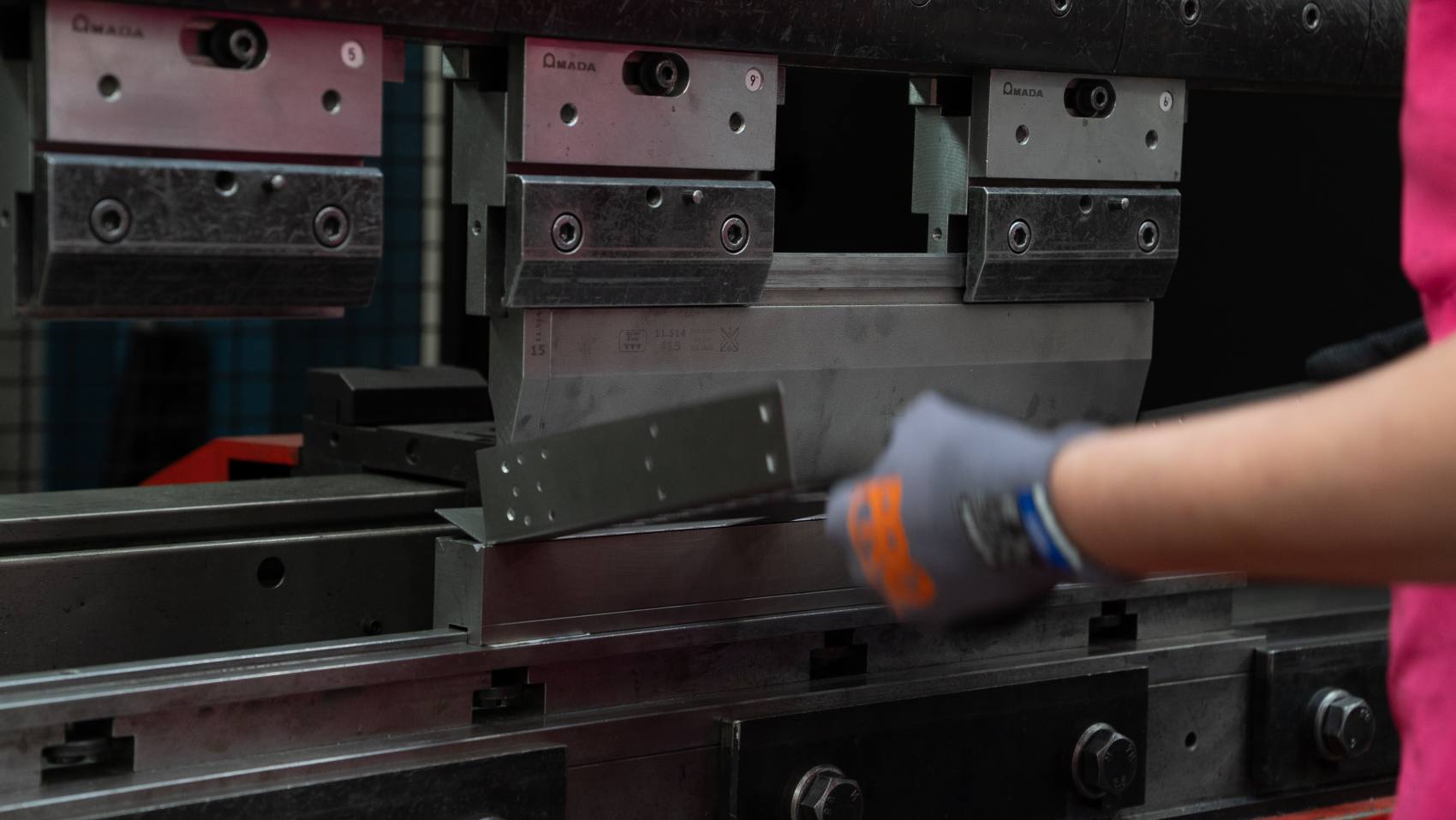
Applications
Our sheet metal manufacturing capability supports telecommunications, data centres, infrastructure and other industrial applications. Where welding is required, the following component families are relevant examples to discuss with our team:
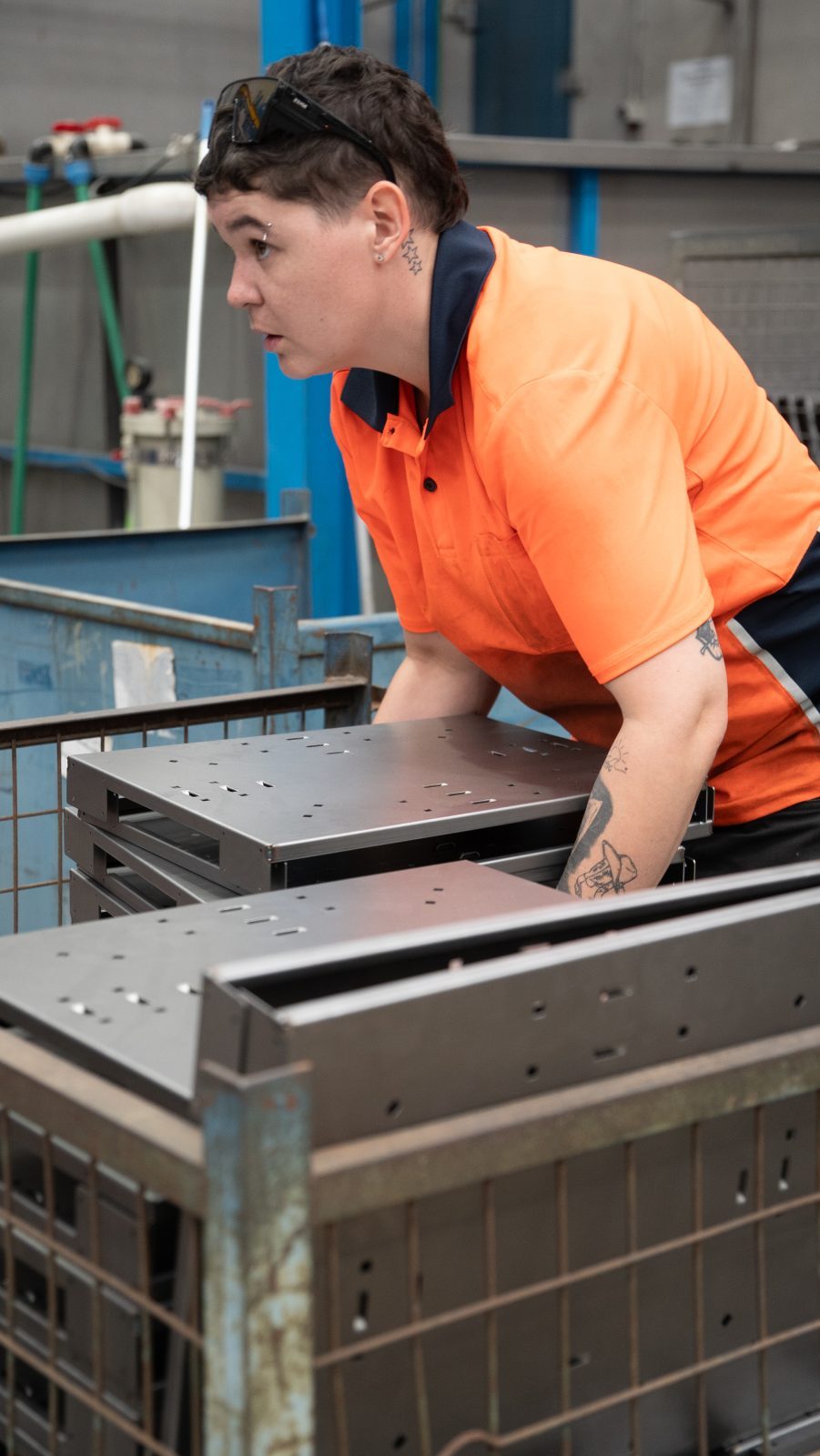
Joined panels, frames and internal supports.
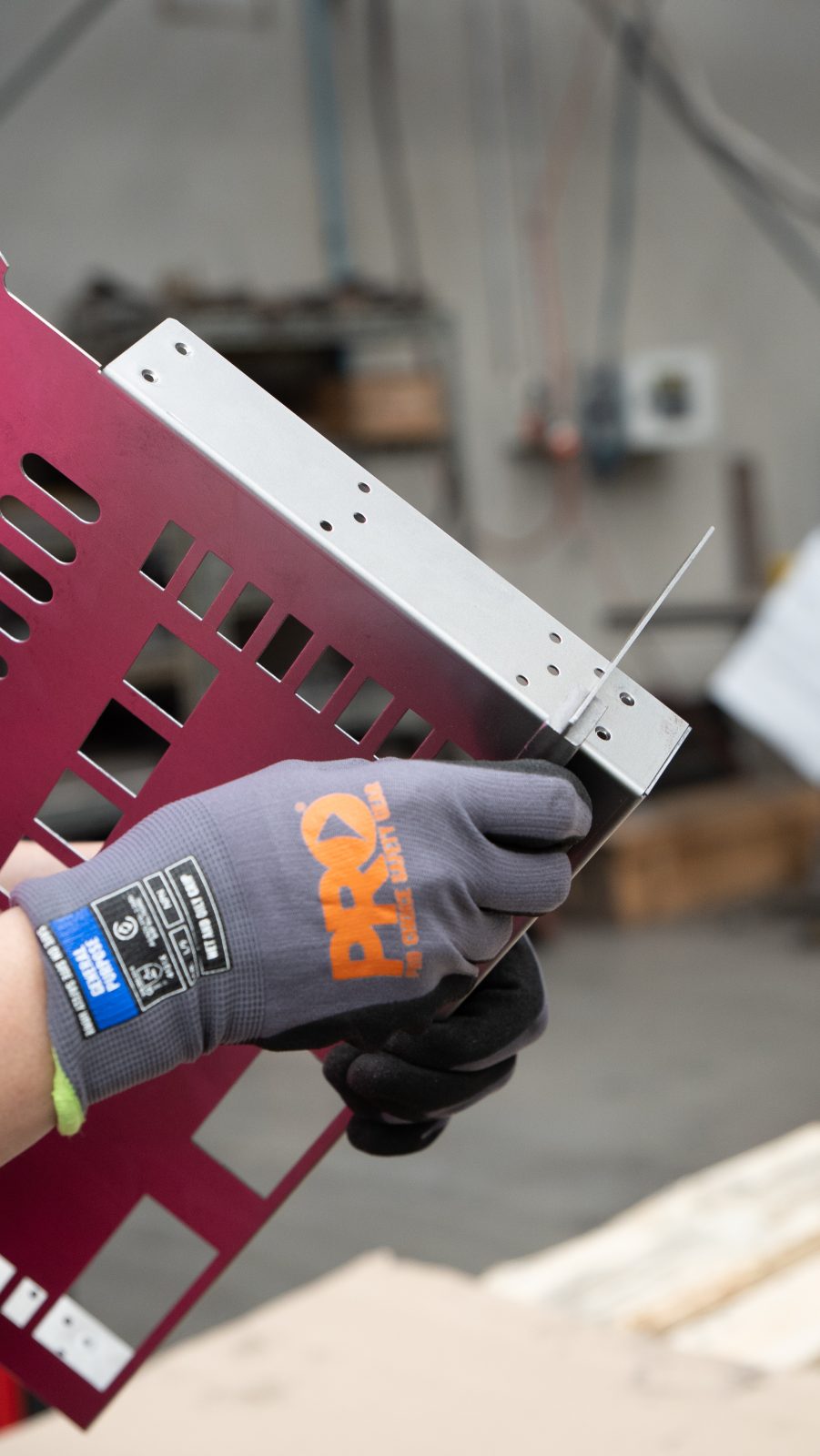
Fabricated parts that must fit mating components and mounting points.
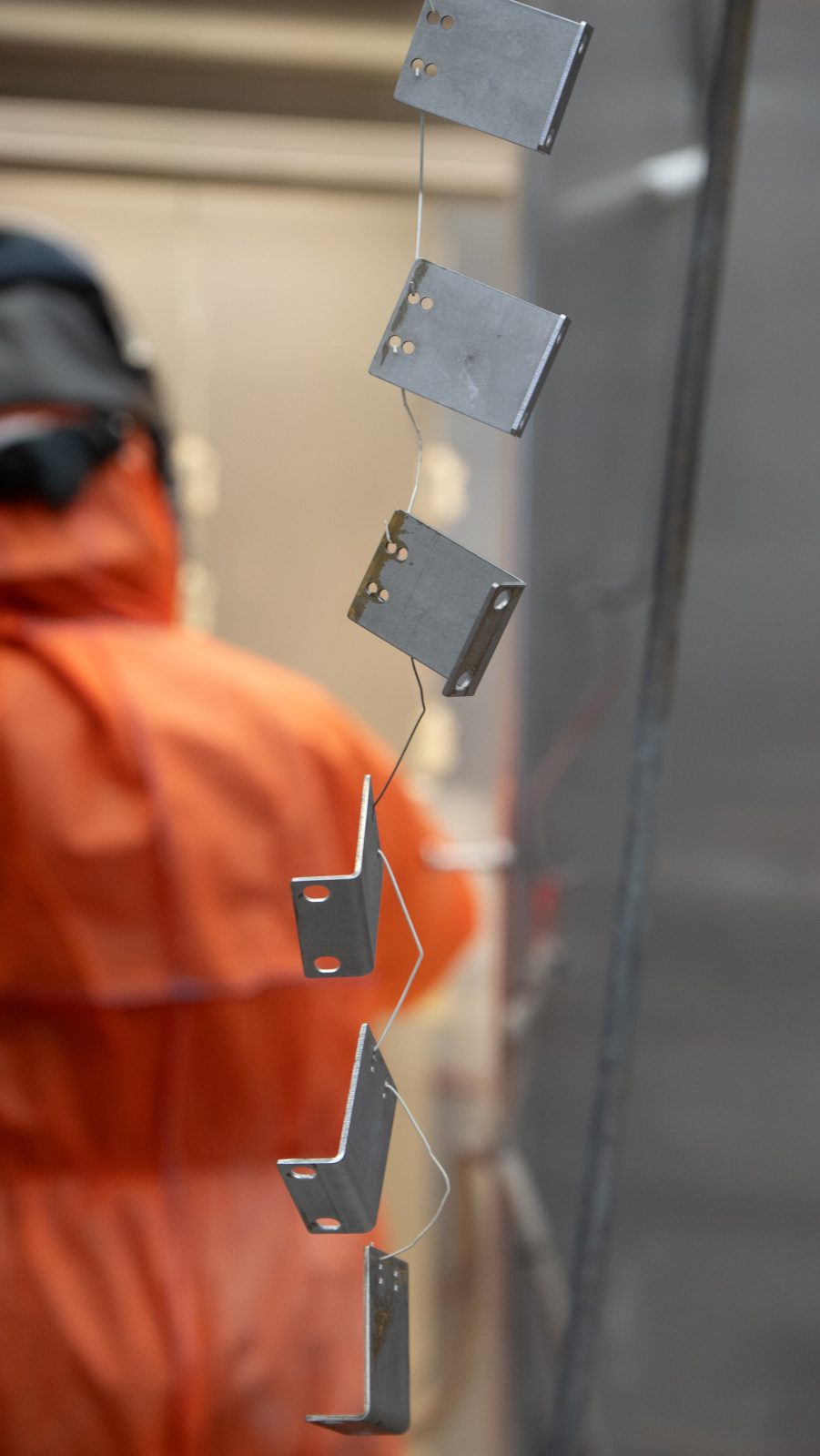
Assemblies where the position of joints and the finished appearance are important.
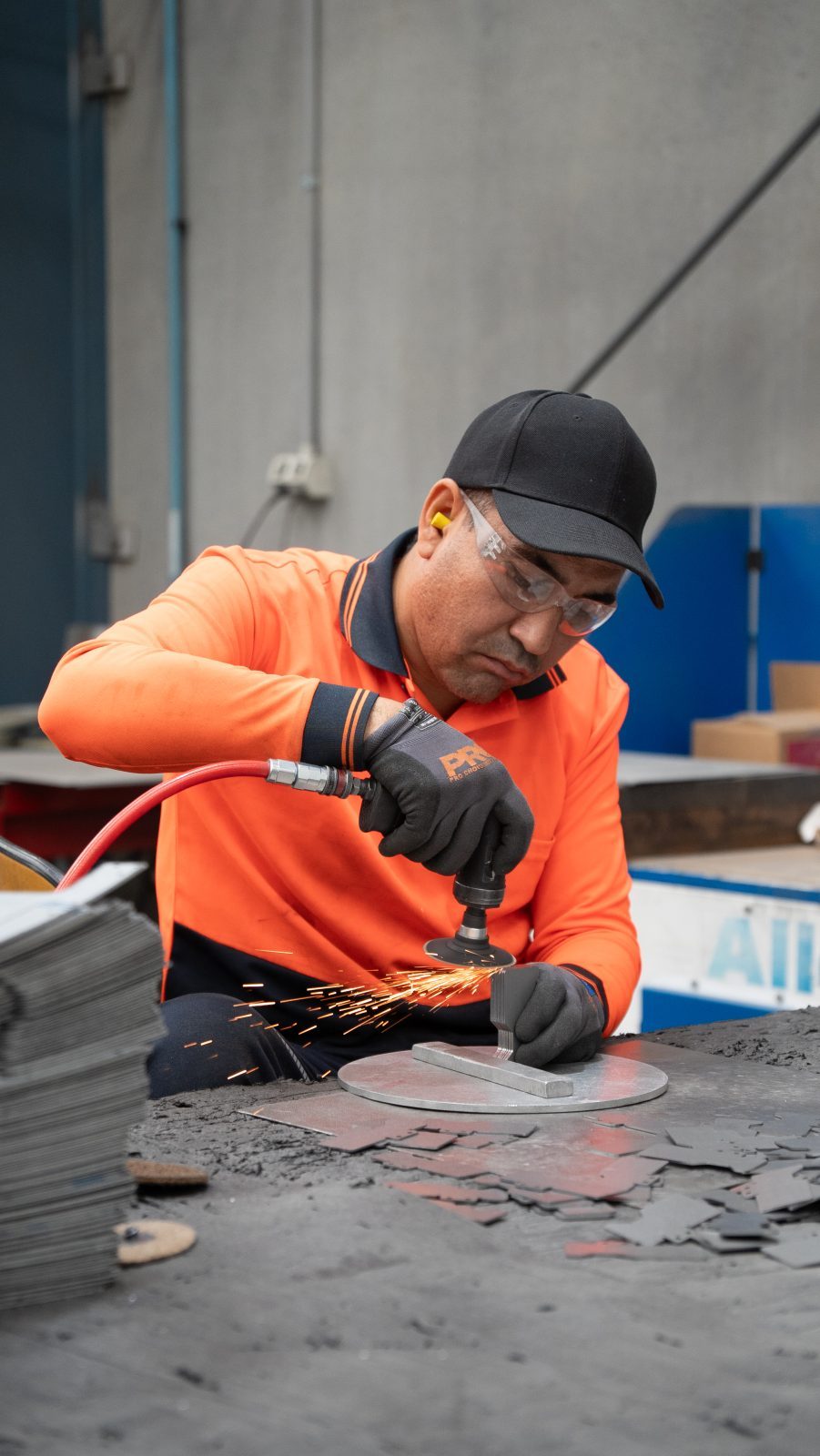
The component design determines whether welding is required. A cabinet, for example, may combine welded joints with mechanical assembly, depending on how the equipment is installed and serviced.
The manufacturing sequence depends on the part.
Confirm the drawing revision, material, quantity, critical features and finish.
Assess the required fabrication and joining operations against the specification.
Prepare the component profiles and formed sections using CNC laser cutting, punching or press brake folding as required.
Join the prepared components using the agreed welding approach.
Coordinate the specified coating or surface treatment, fastener insertion and mechanical assembly.
Confirm the agreed acceptance and delivery requirements for the job.
A drawing can specify a weld correctly and still leave questions about how the finished assembly must fit. Mark the dimensions that control interfaces, rather than relying solely on general tolerances for the individual parts. For example, a fabricated enclosure may have a mounting rail that must align with another component after welding. Marking the rail’s finished position and the mating interface gives the engineering team a specific requirement to review before production.
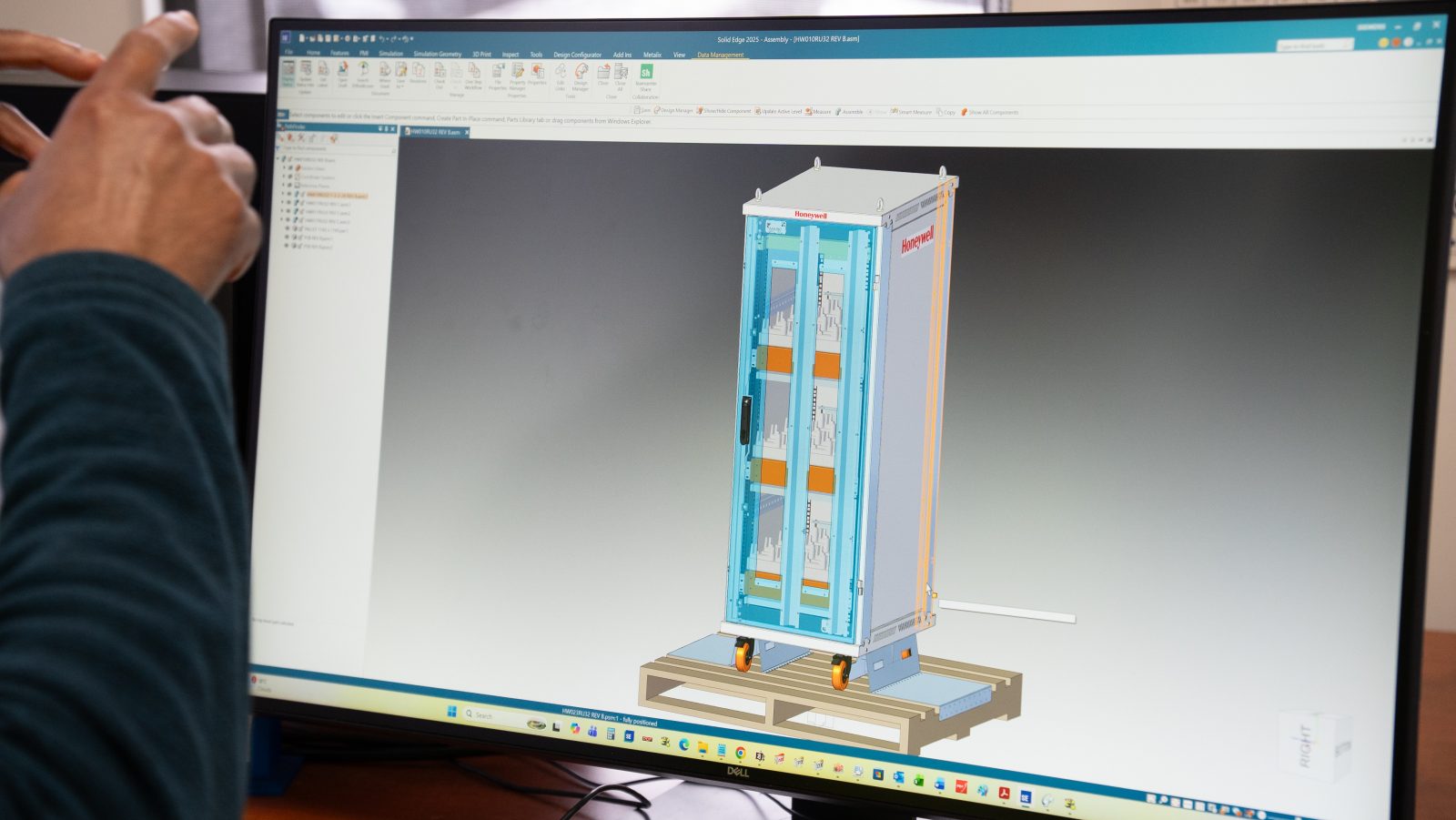
Mark the interfaces that matter before production.
Request a quoteIdentify weld positions, adjoining features and any areas where access is restricted.
Identify flatness, alignment and critical mounting dimensions that must be maintained after welding.
Distinguish visible surfaces from concealed joints and specify whether appearance, coating or subsequent assembly affects acceptance.
Quality
Our assembly and quality-control capabilities include dimensional inspection and functional testing. For a welded assembly, agree the required checks against the drawing, critical dimensions, intended application and acceptance criteria before placing the order. Inspection and testing requirements are assessed for each project. If your purchase order requires a welding procedure specification (WPS), qualified personnel, inspection reports or a nominated welding standard, include those requirements in the enquiry. Confirm their applicability and availability before accepting the quotation.
| Requirement | What to specify |
|---|---|
| Drawing and weld details | Current drawing revision, nominated weld locations and critical dimensions. |
| Acceptance criteria | Required fit, alignment, finish and any inspection or testing criteria. |
| Standards and records | Applicable customer specification or nominated welding standard, material traceability or inspection records if required. |
Quoting
Send us a drawing, CAD model, sketch or physical sample, together with the information needed to assess the assembly. For a defined production job, include:
If your design is incomplete, a sketch or sample can start the conversation. Additional specifications may be needed before pricing is confirmed. Request a welding quote and select “Request a quote” on the enquiry form. Attach your drawings or specifications, or call (03) 9794 7744.
The cost of an industrial welding job depends on the part and its manufacturing requirements. Material and thickness, critical tolerances, secondary operations, finish, quantity and freight all affect the quotation. For welded assemblies, include the joint configuration and any requested inspection or documentation so the team can assess the complete scope. A repeat batch and a one-off prototype may have different production requirements. Provide both quantities if you are planning a prototype followed by ongoing manufacture.
Production lead times depend on material availability, the required fabrication and finishing operations, quantity, drawing changes and any inspection or approval stages. A change to the approved design can affect more than the welding operation, particularly where cutting or forming also needs to be revised. Include your target delivery date in the enquiry so we can assess the schedule alongside material availability, production and inspection requirements.
Questions
Prototypes, files, finishing, delivery, design review and inspection requirements.
Yes. Our manual MIG and TIG welding capabilities support prototypes and one-off components. A prototype can be reviewed and refined before moving to a production run, subject to the part’s material and geometry. For early-stage parts, see sheet metal prototyping.
Yes. We accept STEP, STP, DXF, DWG, IGES and PDF files for fabrication enquiries, including laser cutting and sheet metal folding work. Where available, include a dimensioned 2D drawing alongside the 3D model to identify weld requirements, critical dimensions and tolerances.
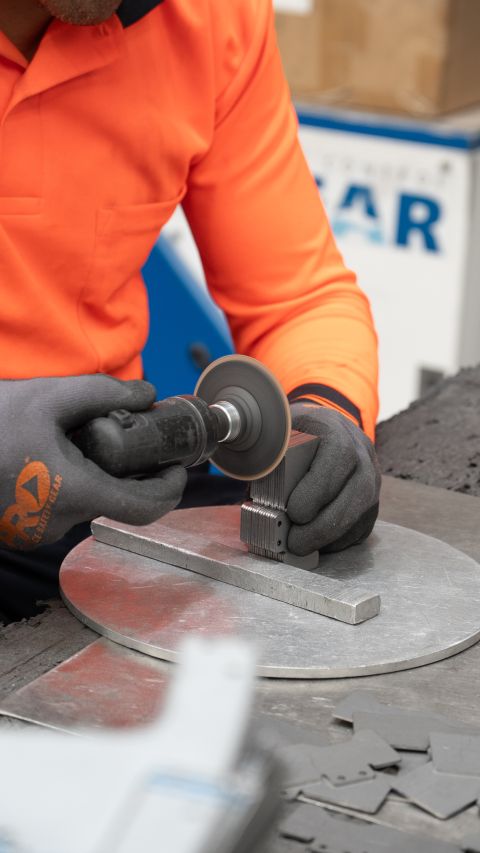
Yes. We provide in-house powder coating, surface preparation and mechanical assembly. Deburring, edge preparation and surface cleaning are also available in-house. Specialist treatments such as galvanising and plating are coordinated through external partners where required. The finish must suit the material and design.
Yes. We manufacture in Dandenong South and supply customers across Australia. Freight and delivery requirements for your assembly can be discussed during quotation.
Yes. Our design and engineering team provides design-for-manufacture support and early drawing review. Our in-house design team works with SolidEdge and SolidWorks to prepare production drawings and review designs for manufacture. We can discuss the manufacturing requirements from a model, drawing or sample before the design is released for production. For the wider manufacturing scope, explore our design, prototyping and manufacturing services.
Yes. Include the weld specification, acceptance criteria and any required inspection records with your enquiry. Agree the applicable standards, qualifications and documentation before confirming the job.
Request a welding quote to discuss your next welded assembly with our engineering team, or call (03) 9794 7744.