01
Consultation
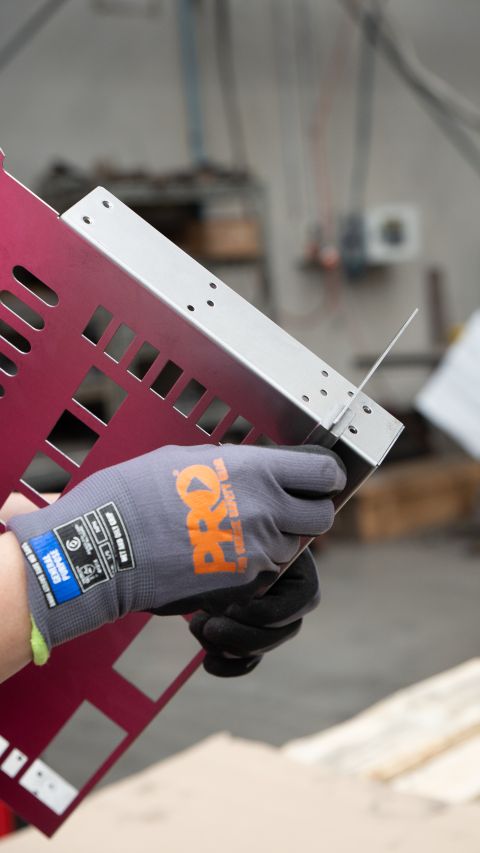
Establish what the part needs to do, the design stage, intended operating conditions and the required quantities.
Amapro provides sheet metal prototype manufacturing and custom enclosure fabrication in Dandenong South, Melbourne.
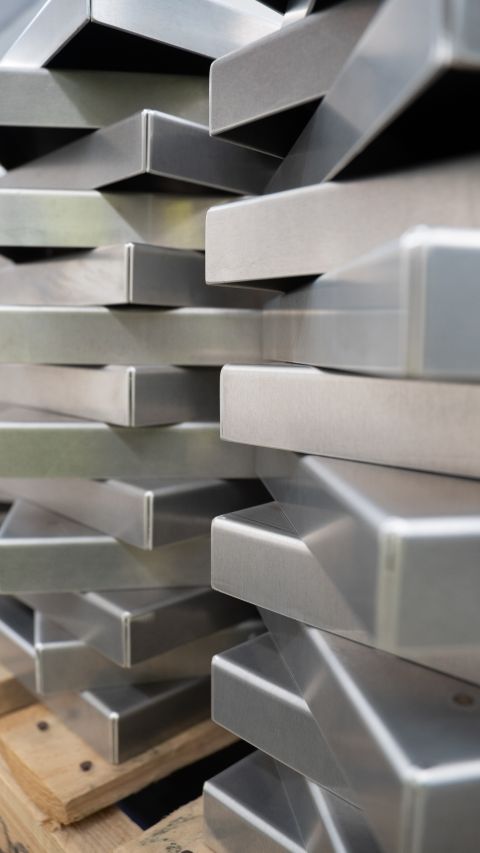
A sheet metal prototype is a fabricated sample of a proposed component or assembly. It gives your team a physical part to assess against the design before committing to a production batch.
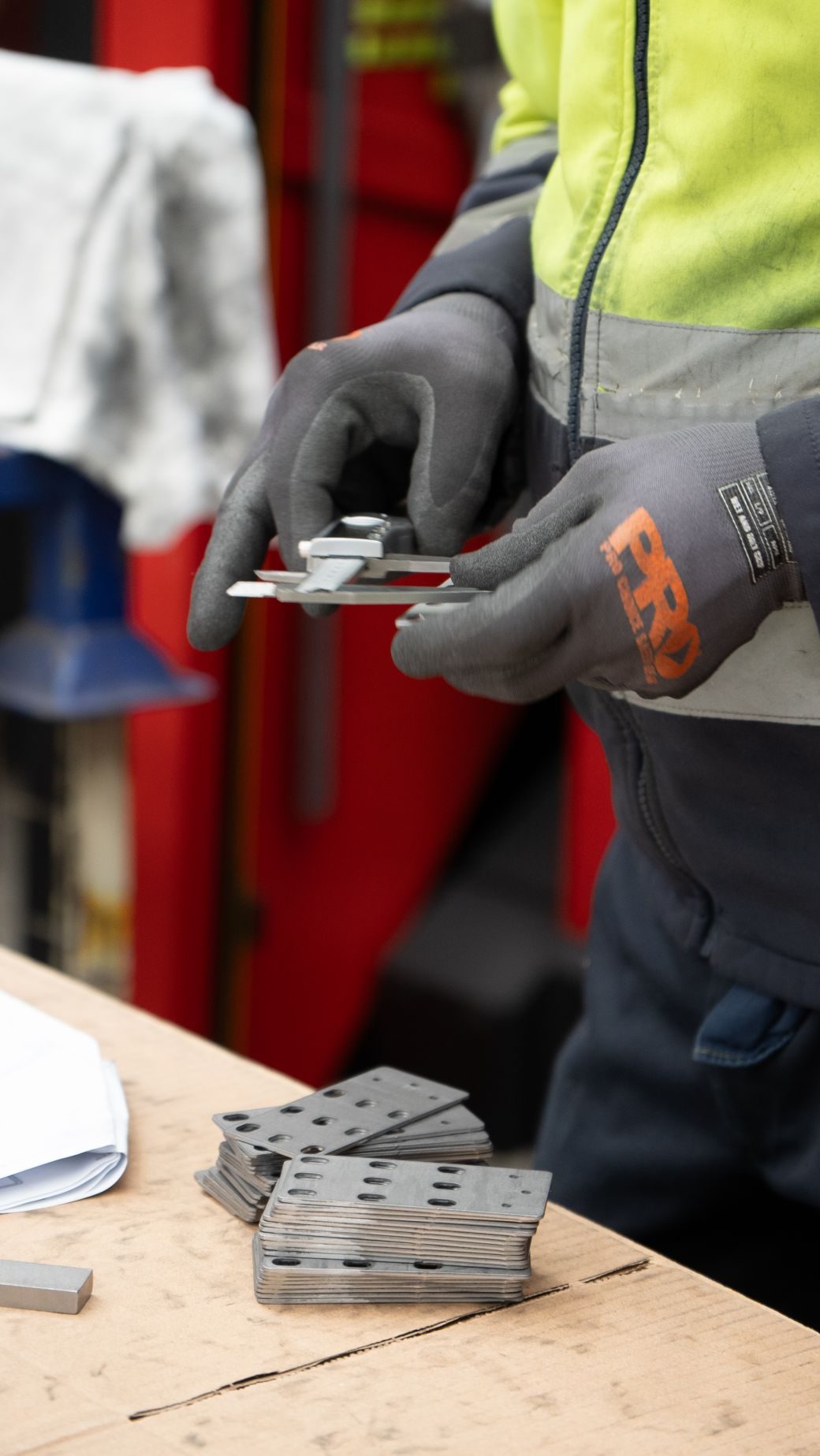
We support projects from a single component through small- and medium-volume manufacturing, with design input and opportunities to refine the prototype between iterations. We manufacture in Dandenong South and support customers across Melbourne and Australia-wide.
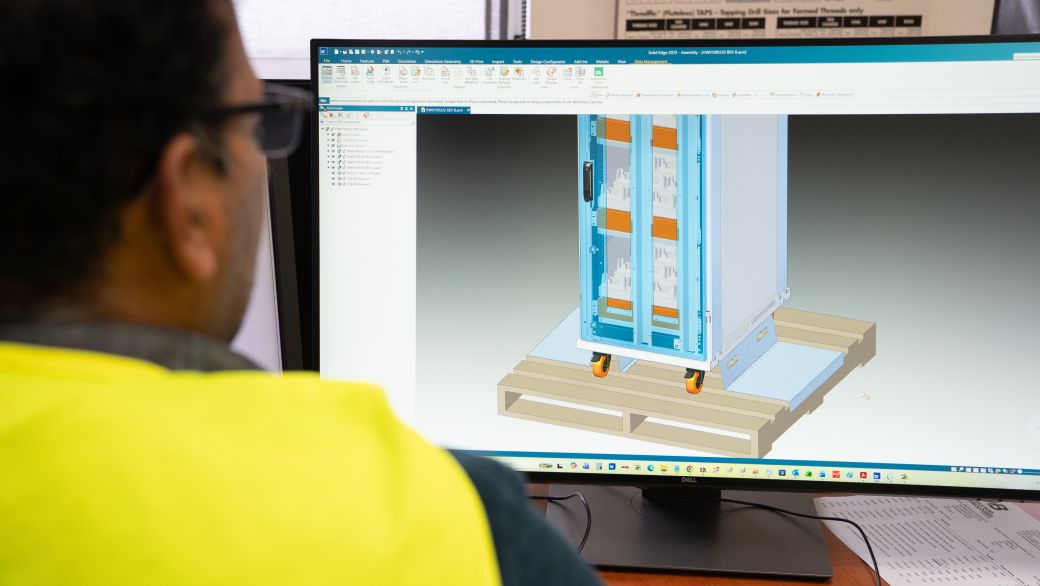
Customers can arrange to review physical prototypes with the engineers manufacturing their parts. This is particularly useful when a drawing is still evolving, a housing must fit existing equipment, or a new assembly needs to be evaluated before its production specification is finalised.
Enclosures
We manufacture components to your specification rather than supplying a fixed catalogue of standard boxes. Our sheet metal fabrication capabilities support:
3 capabilities
Choose an off-the-shelf enclosure when its existing dimensions, mounting points and access requirements suit the equipment. Custom fabrication is useful when the equipment footprint, connector layout or installation clearances require different geometry.
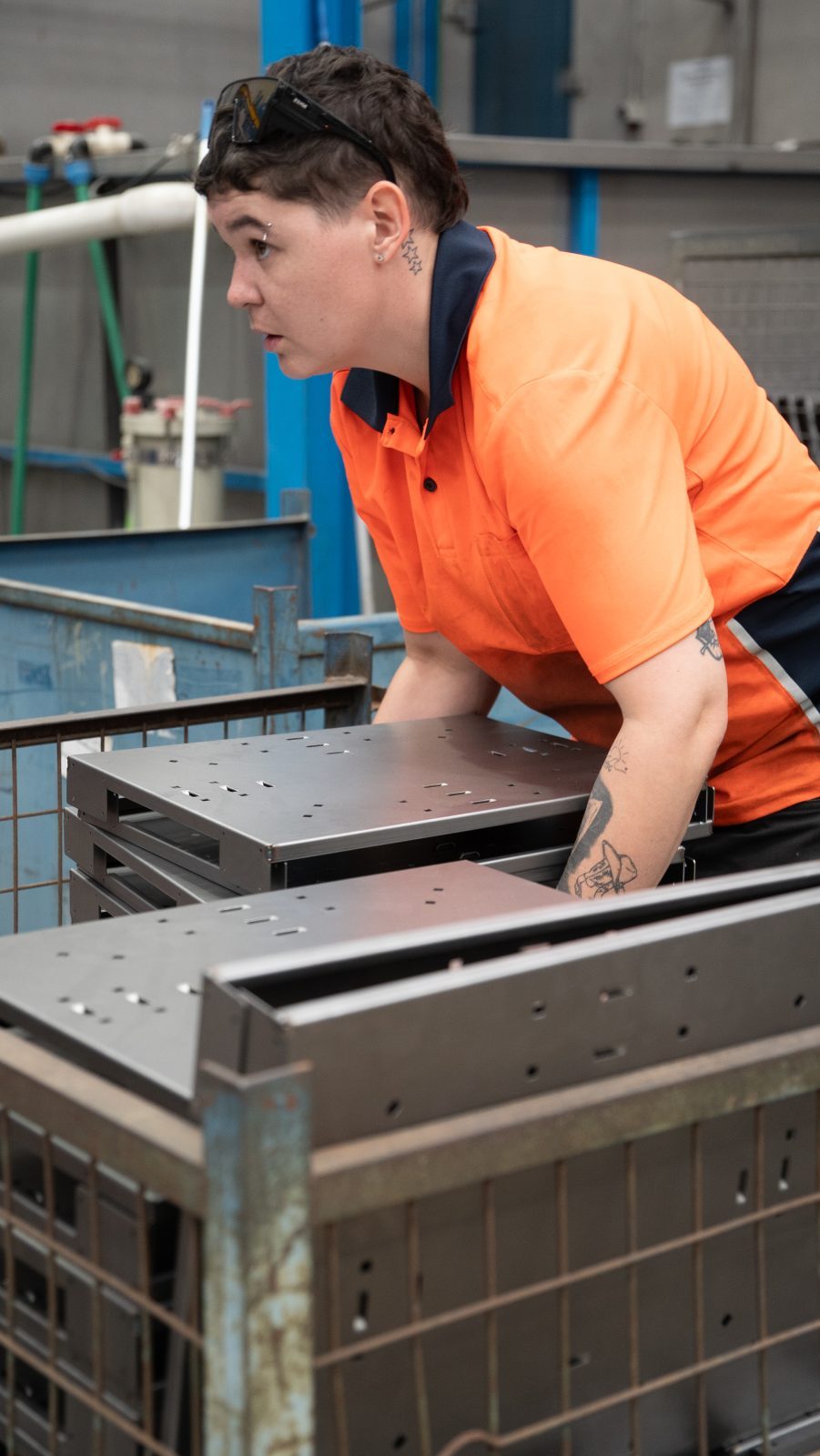
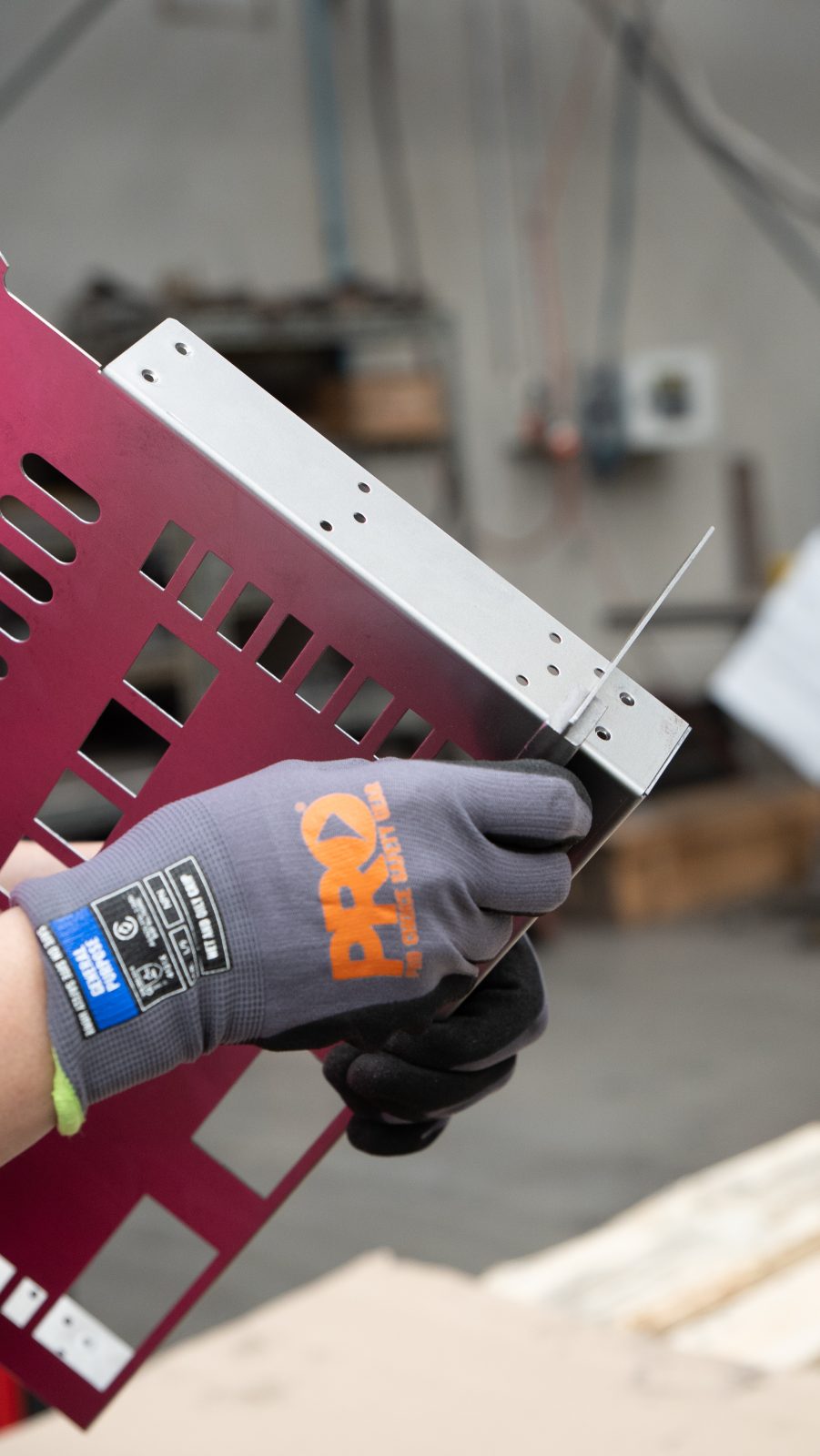
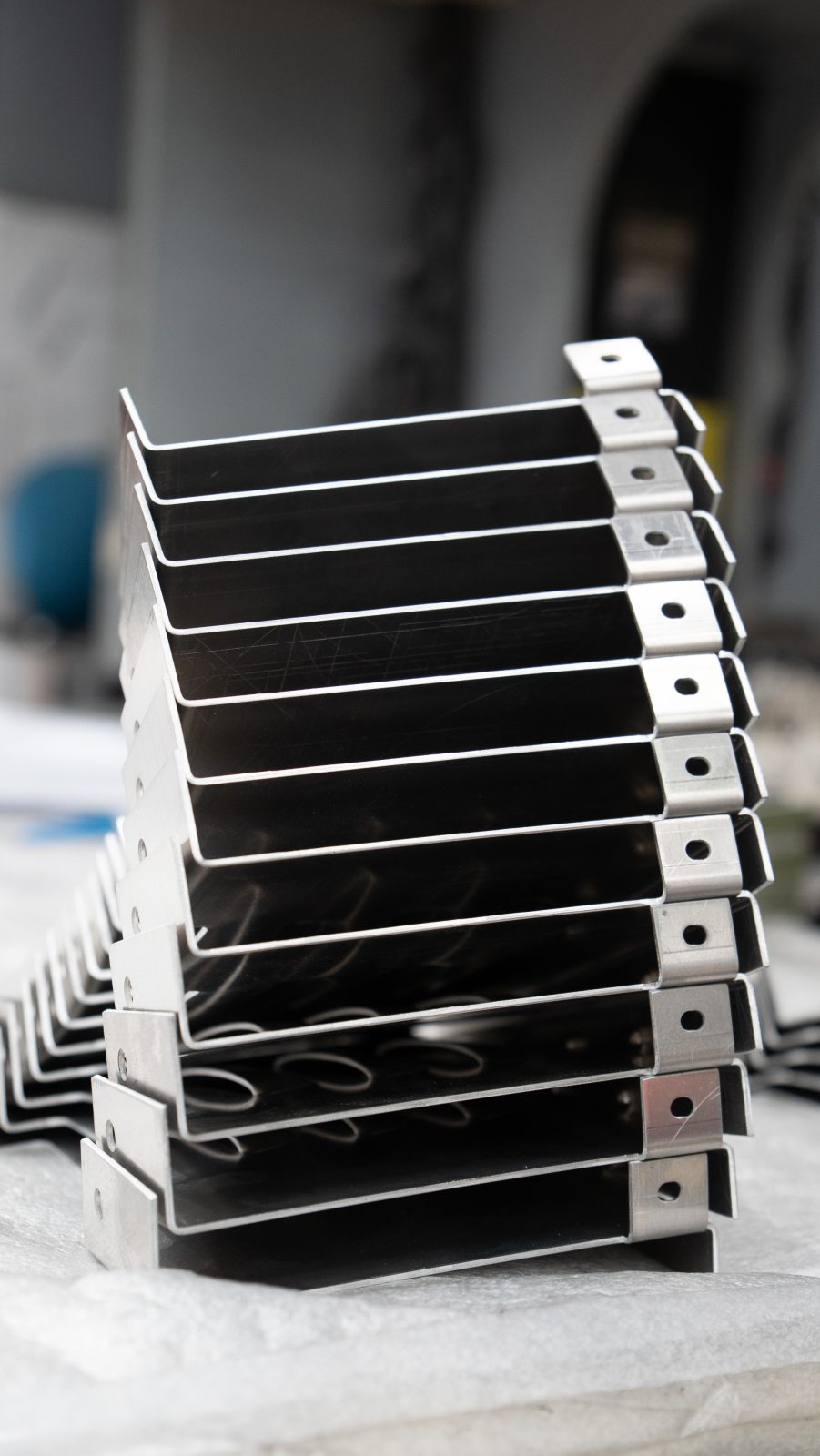
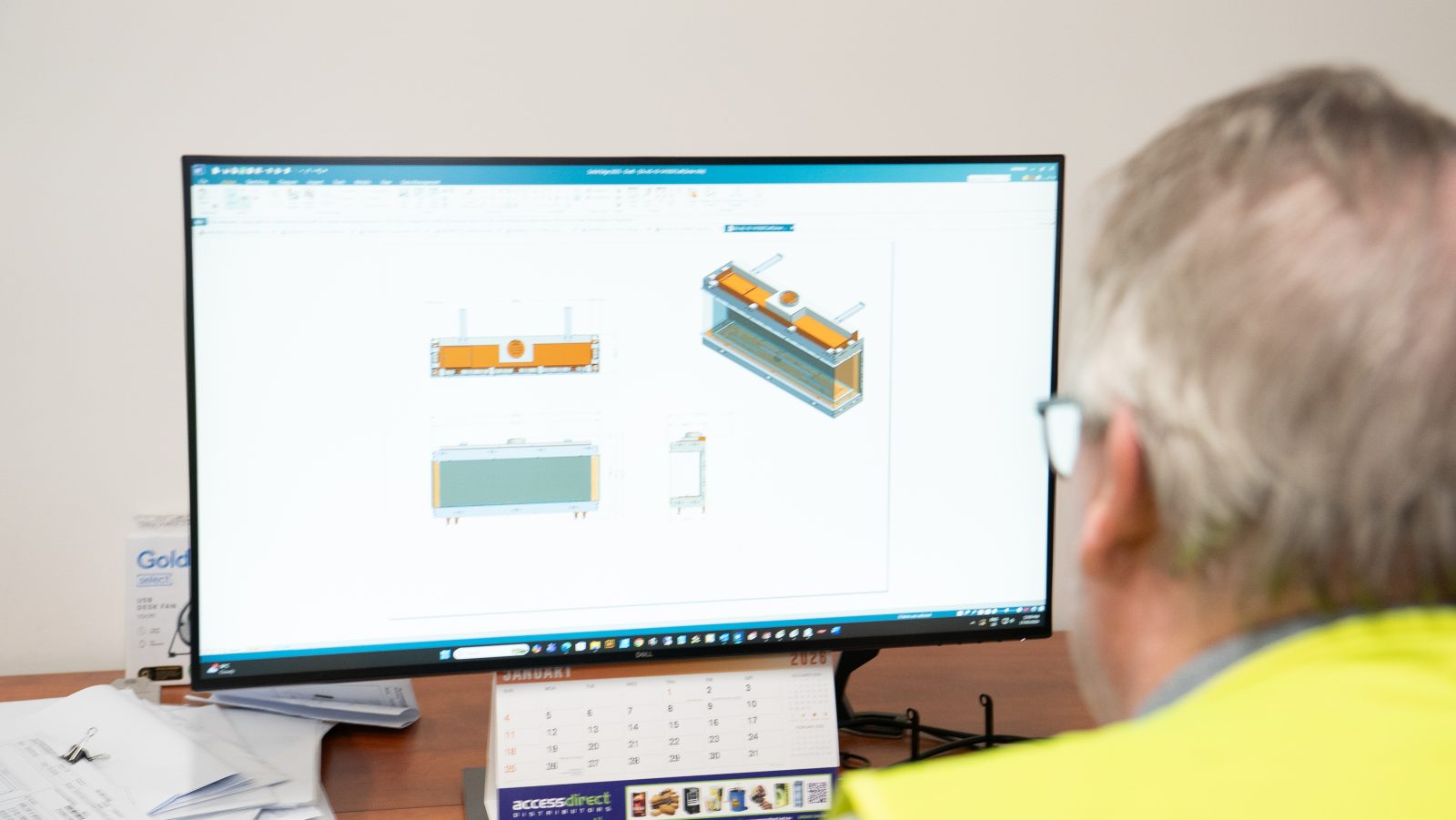
Our design team uses SolidWorks and Solid Edge for 3D modelling, sheet metal development, reverse engineering and design for manufacture (DFM). When developing an enclosure, specify how it will interface with the equipment and how that equipment will be installed and serviced.
For example, a connector cut-out may align with the connector on a CAD model but leave insufficient room to insert the mating plug. Provide the connector dimensions and the required cable clearance so those interfaces can be considered before fabrication. Discuss the design with our engineering and manufacturing team.
Location of mounting holes, standoffs, support surfaces and fastening points.
Connector cut-outs, cable entry locations, removable covers and space for tools or connectors.
Ventilation openings, expected exposure and any sealing requirements that affect the enclosure design.
Materials
Material selection depends on the enclosure’s weight, stiffness, operating environment and manufacturing route. We review the grade and sheet thickness alongside the bending, joining and finishing requirements. For material-specific work, see aluminium fabrication and stainless steel fabrication. Amapro provides in-house powder coating, including standard colours and custom matching to RAL or Dulux specifications. Specialist treatments such as zinc plating and galvanising are coordinated through partners.
| Material or finish | When to consider it | What to confirm |
|---|---|---|
| Aluminium | Weight-sensitive equipment housings and panels. | Alloy, temper, thickness and bend requirements; confirm availability for the job. |
| Stainless steel 304 or 316 | Corrosion-sensitive applications; consider 316 for more aggressive chloride exposure. | Grade, actual exposure, finish and joining method. |
| Mild steel | Components where stiffness, fabrication and the required protective finish are key considerations. | Grade, thickness and corrosion protection. |
| Powder coating | Specified colour, appearance and surface protection. | Substrate, colour reference, masking and service environment. |
| Plating or galvanising | Where the component specification calls for a specialist surface treatment. | Treatment compatibility and outsourced process requirements. |
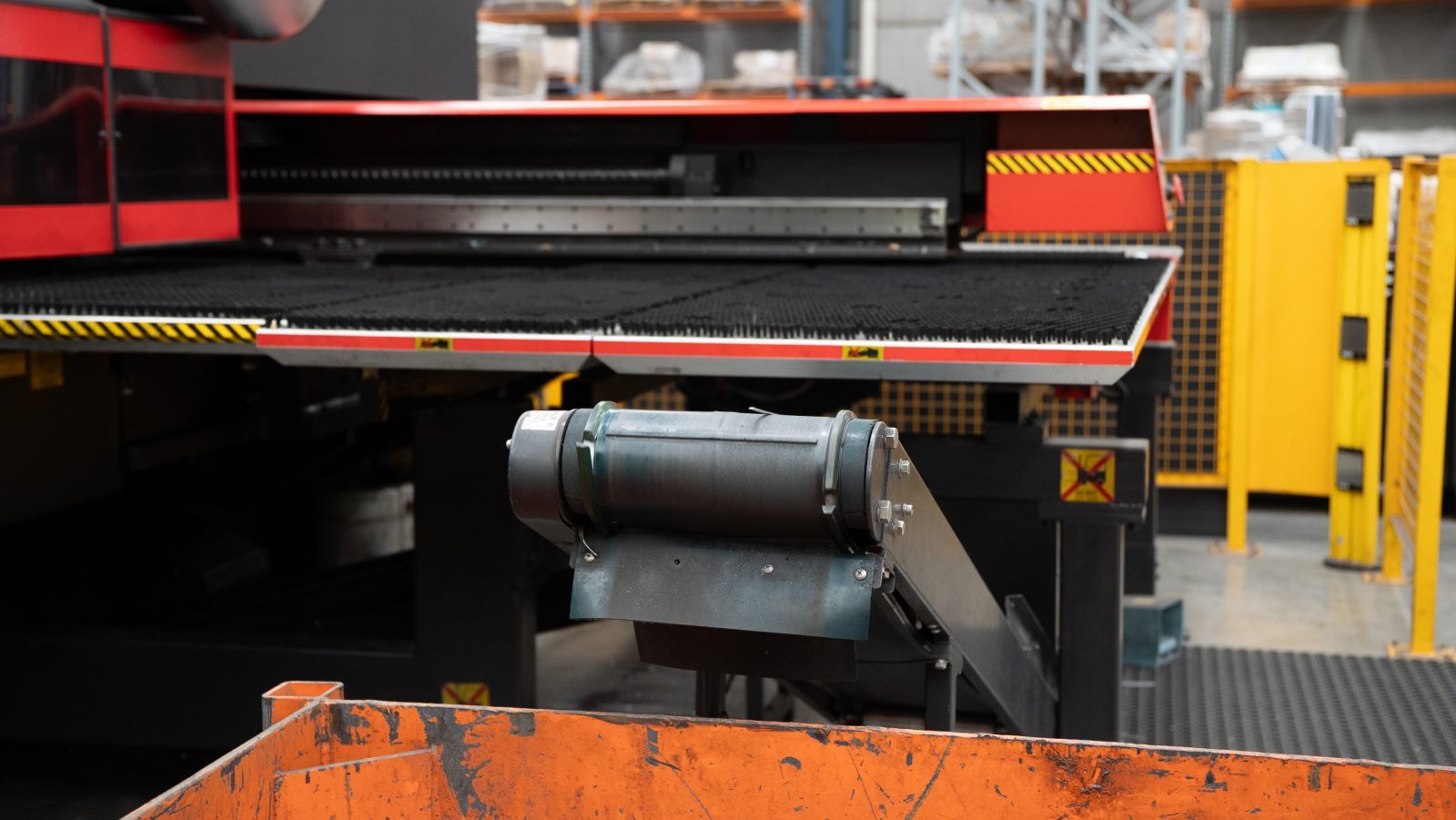
The manufacturing route is selected around the geometry, material and purpose of the prototype. A typical project follows these stages.
Establish what the part needs to do, the design stage, intended operating conditions and the required quantities.
Review the CAD model or concept, including manufacturing feasibility, mating features and critical dimensions.
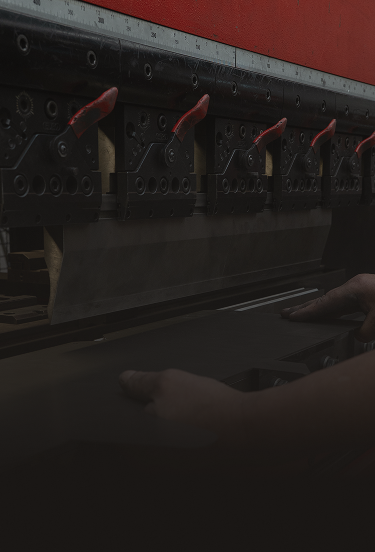
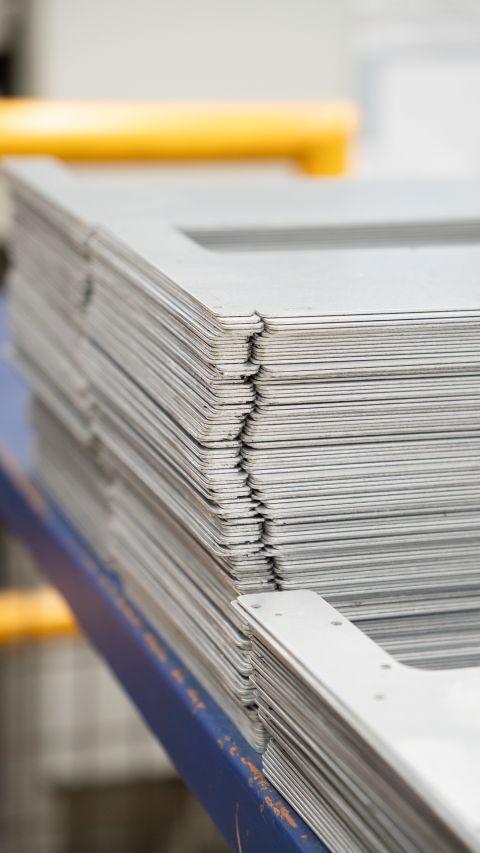
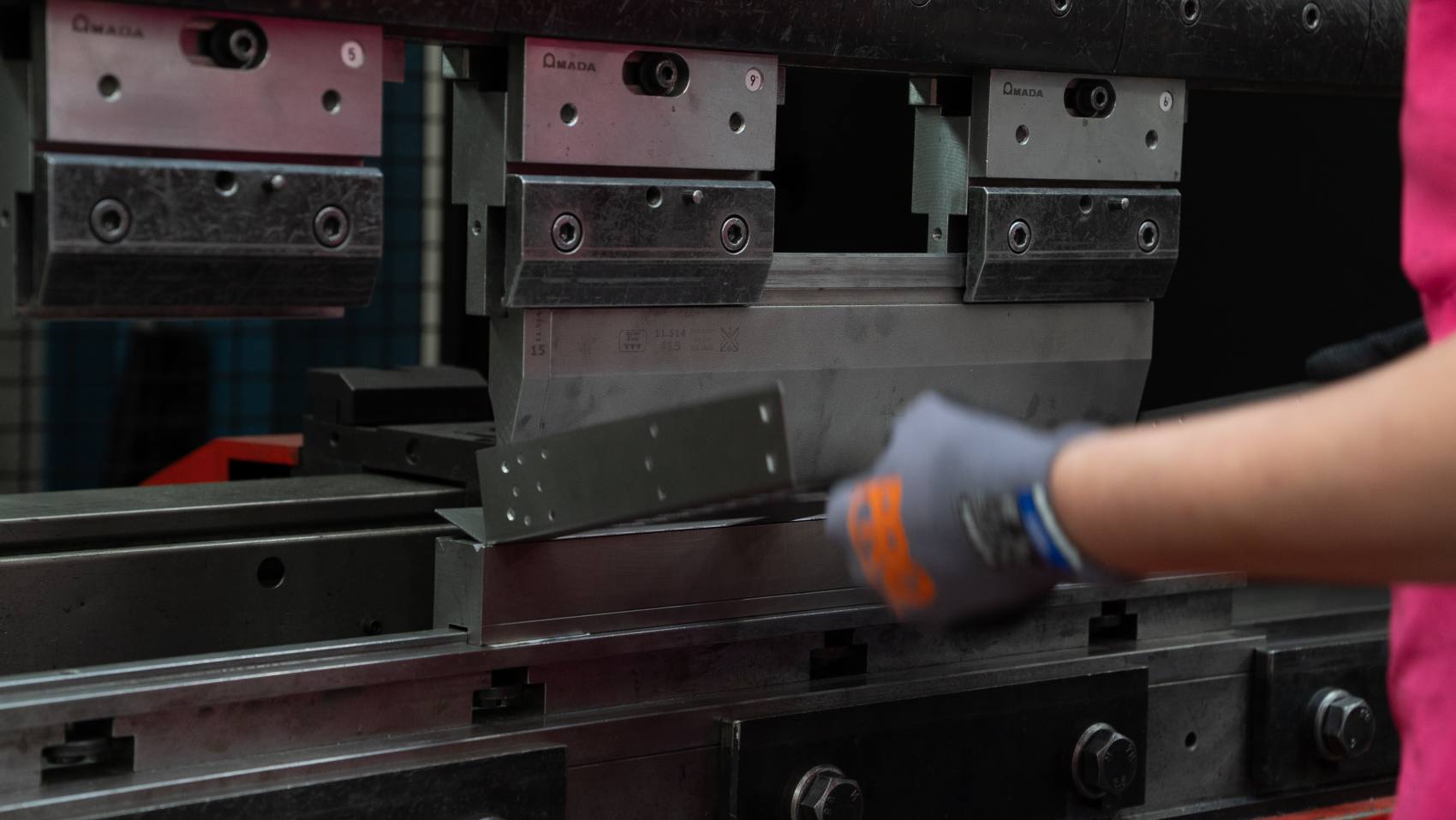
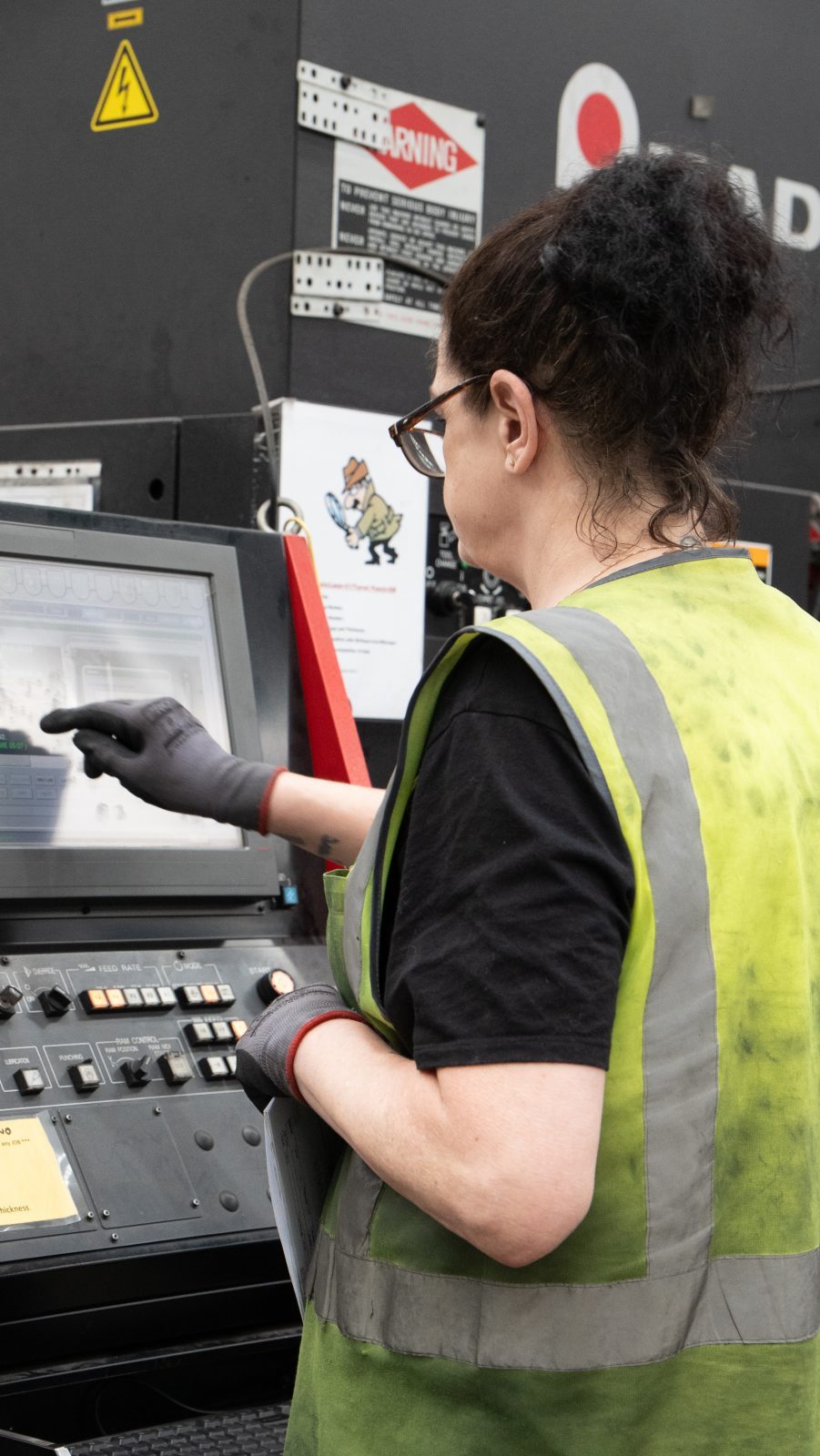
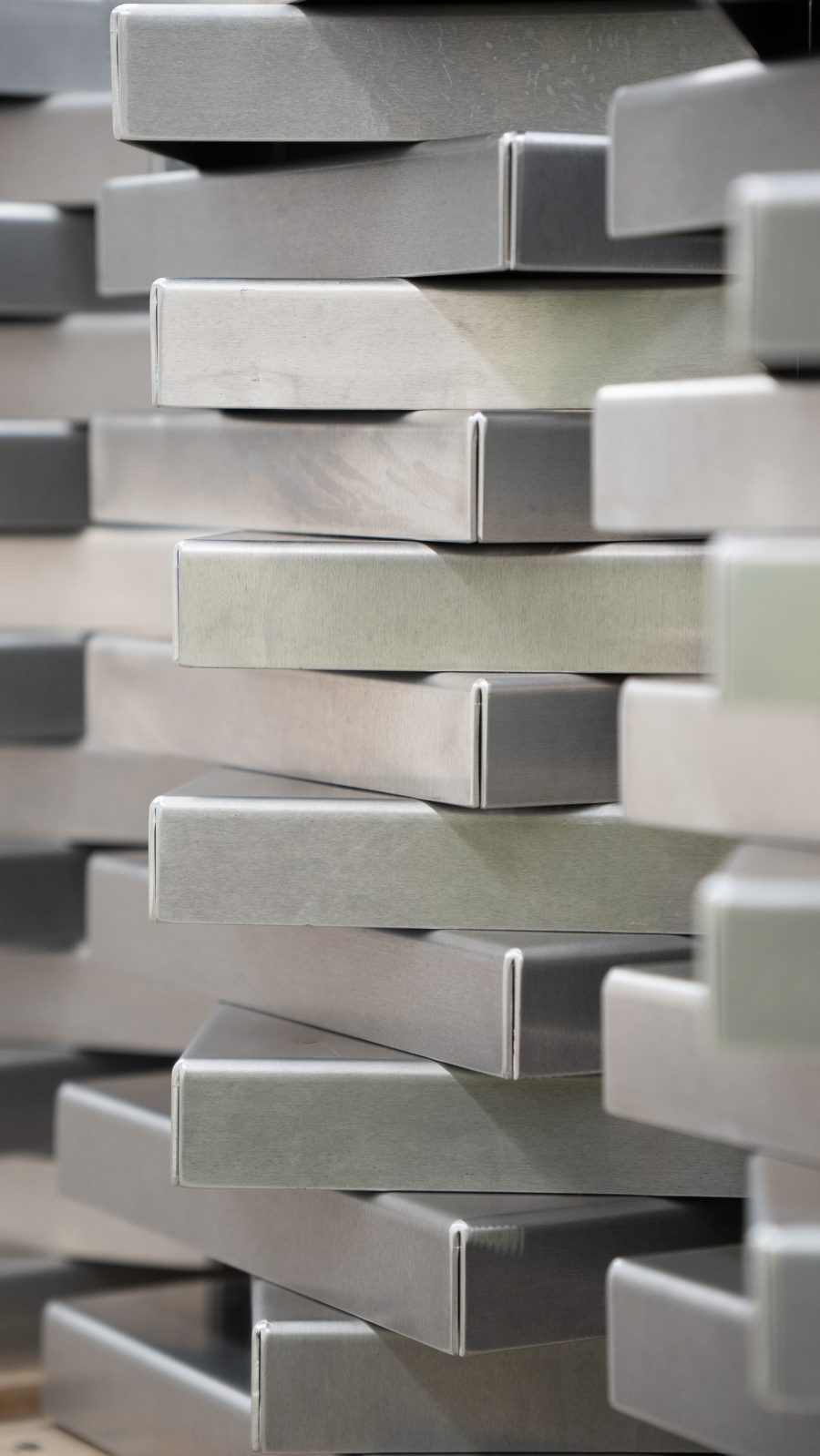
Amada CNC laser cutting for profiles or CNC turret punching for suitable holes and formed features. Press brake folding creates bends, flanges and enclosure walls.
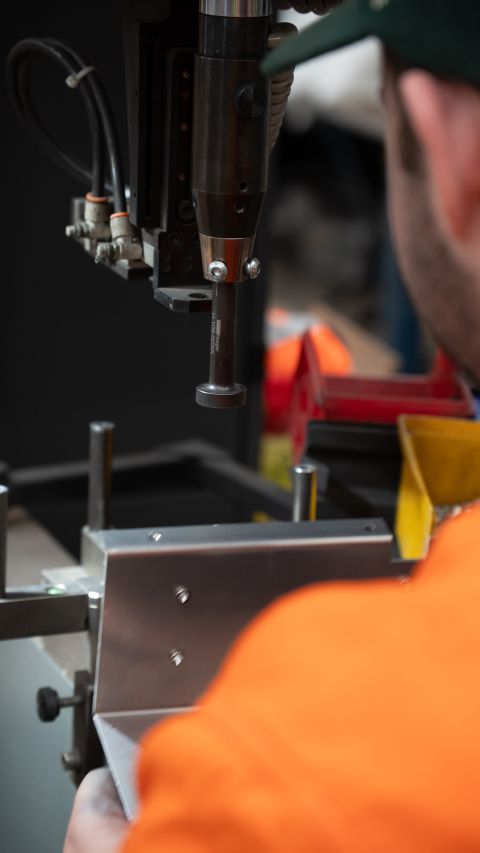
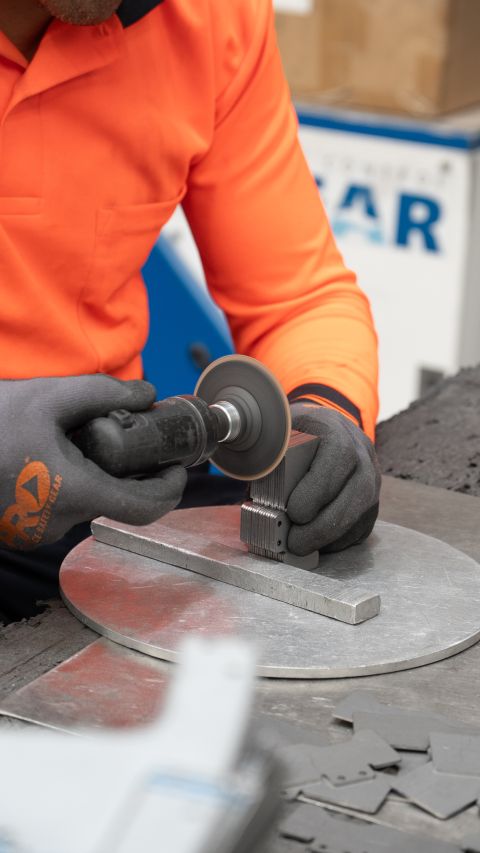
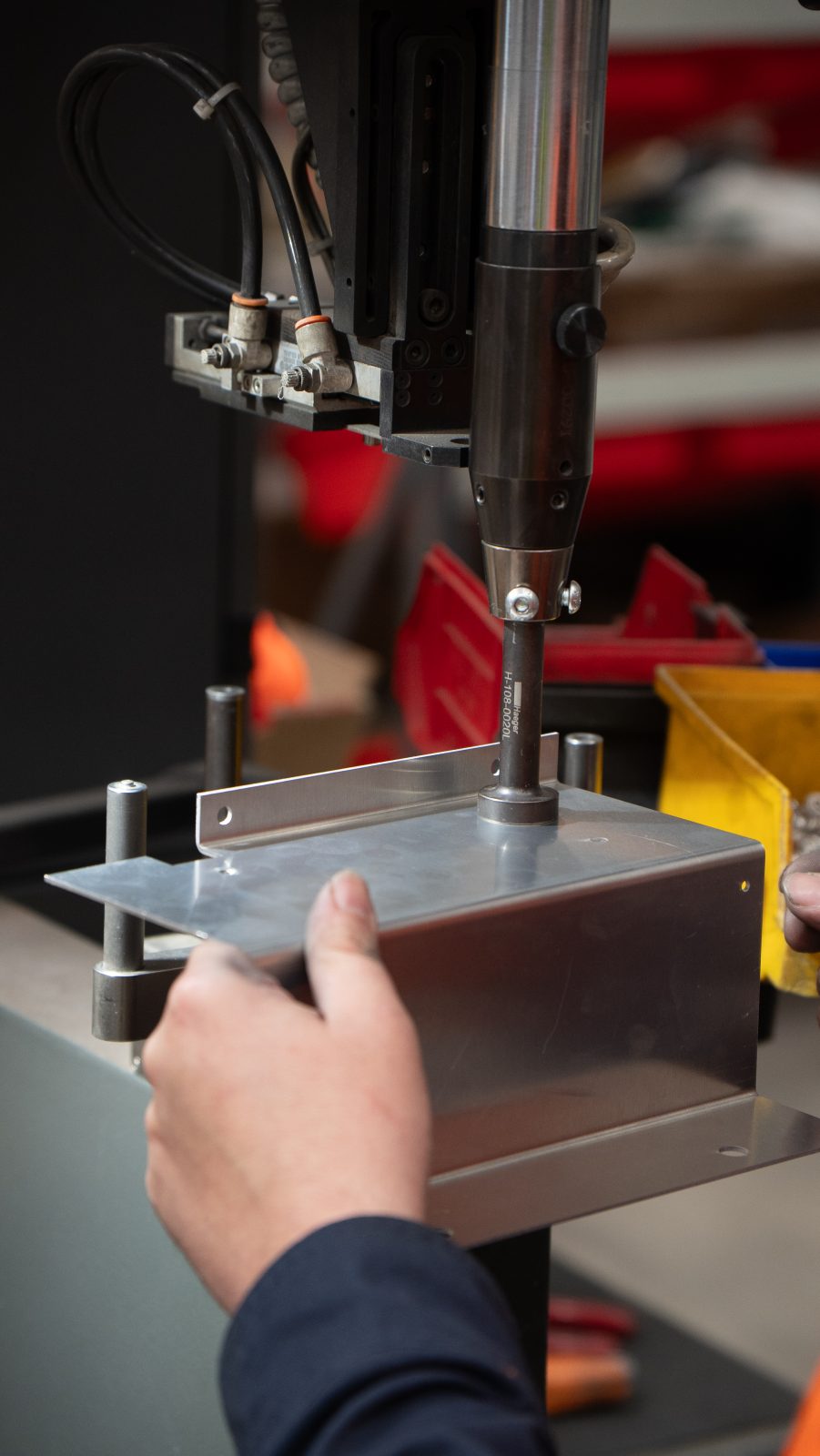
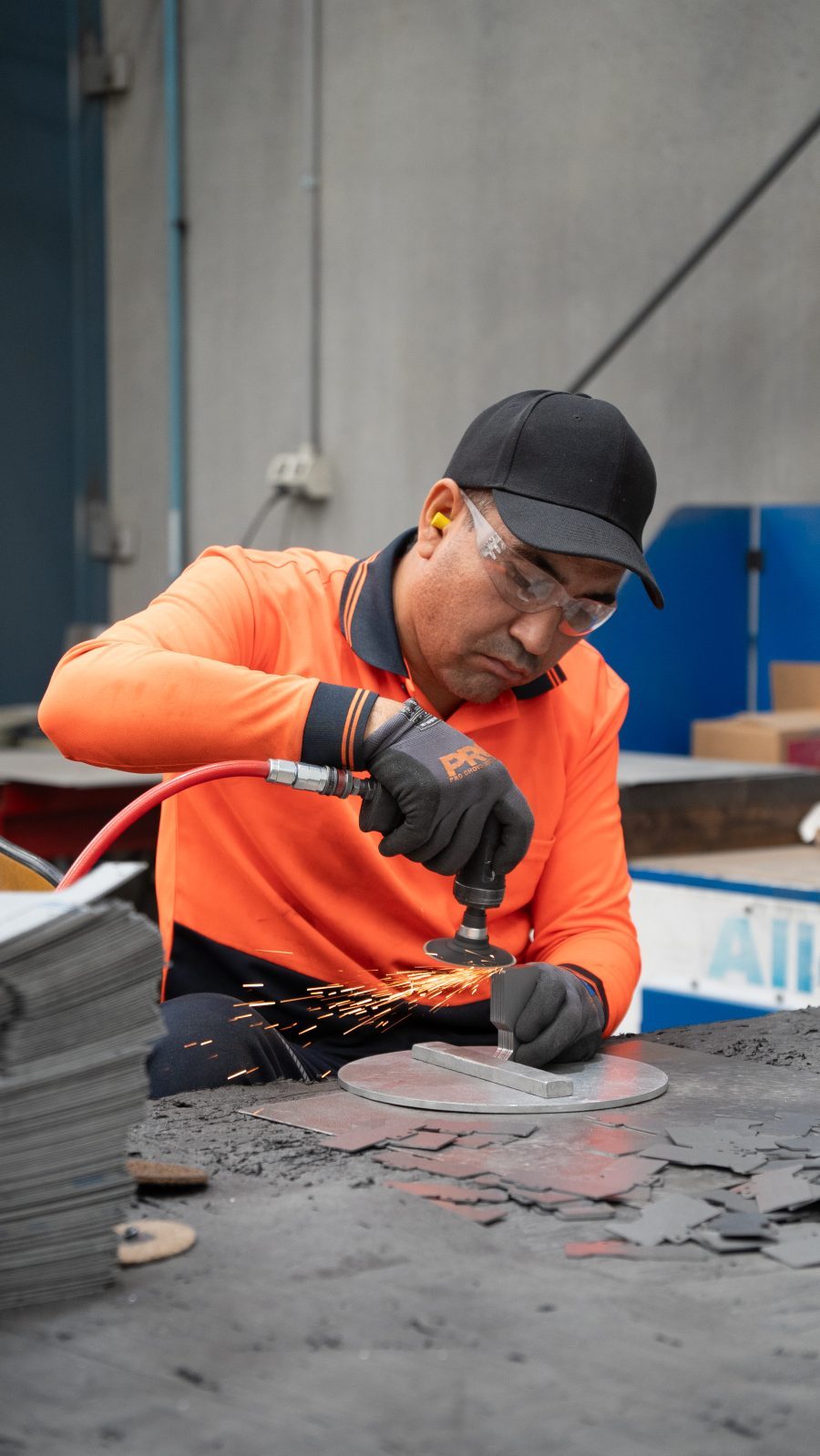
Select the relevant TIG, MIG, spot or robotic welding, hardware insertion, assembly and finishing operations according to the specification.
Check the prototype against the agreed drawing and fit requirements, then incorporate agreed changes before the next iteration or production.
Not every part requires welding, machining or coating; explore our sheet metal fabrication services for the underlying manufacturing processes. A bend that looks feasible on a 3D model must also be accessible to the press brake tooling. Material thickness, bend radius, flange length and hole position can influence whether a part can be folded as designed. Mark dimensions that affect assembly or function so we can review their feasibility before manufacturing. For a hole close to a bend, consider whether forming could distort the hole or move its position relative to a mounting surface. Where coating is specified, identify fit-critical surfaces, threads or holes that must remain clear, and agree whether critical dimensions apply before or after finishing: a bare-metal prototype that fits may not have the same clearance once coated. Achievable tolerances depend on the material, feature geometry and manufacturing process. Discuss tight tolerances and the required inspection method at quotation, particularly where formed parts mate with machined components from our precision manufacturing service.
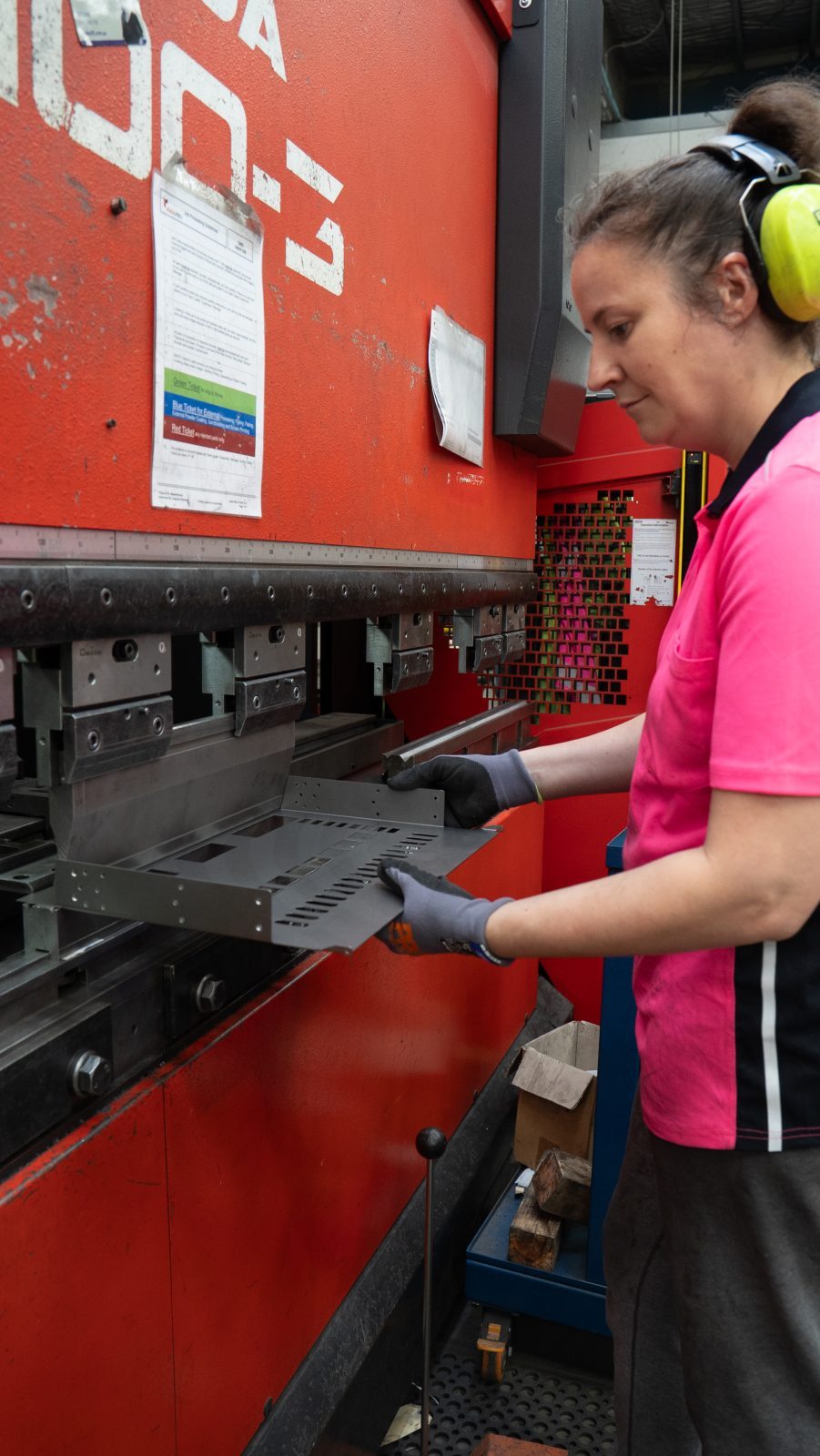
Feasibility is reviewed against your drawing before manufacturing.
Request a quoteValidation
A physical enclosure prototype helps identify fit and assembly issues while the design is still open to revision. Amapro can check manufactured parts against agreed dimensional, finish and fit requirements. Before evaluating a prototype, establish the acceptance criteria with your engineering team.
This checklist can be adapted to the prototype’s intended use. Agree which checks Amapro will perform and which functional tests your team will carry out. Amapro offers functional testing, with the method and acceptance criteria agreed for each project. Fabrication inspection does not by itself demonstrate environmental, electrical or ingress-protection compliance.
Repeat production
Once your team has assessed the prototype, agreed changes can be incorporated into the production drawing. CNC cutting, punching and folding allow many revisions to be handled through CNC program changes rather than new dedicated hard tooling, subject to the geometry and tooling required. Before releasing a production batch, confirm the following with us:
The part number, latest drawing revision, model and agreed changes from the prototype.
Material grade and thickness, finish, hardware, critical dimensions and acceptance requirements.
Batch quantity, required delivery date, and any inspection or traceability documentation to be supplied. Include any required sample approval, inspection report or batch reference in the quotation and order.
Amapro has manufactured precision components in Melbourne since 1988 and is part of the Prysmian / Warren & Brown group. Our Dandenong South team combines engineering support with CNC fabrication, machining, in-house powder coating and assembly, allowing related operations to be planned together. Specialist surface treatments are coordinated with external partners.
Our enclosure and infrastructure projects include C-COR Broadband, where Amapro engineered a powder-coated aluminium enclosure for an NBN line-power unit intended for demanding outdoor conditions, using precision punching and laser cutting; and Warren & Brown Technologies, where our engineering team used SolidWorks and Solid Edge to develop production-ready designs for fibre infrastructure components, including sub-racks and enclosures, adapting to evolving specifications.
We quote prototypes according to the part specification and manufacturing work involved. Key cost factors include the material grade and thickness, blank size, cutting and forming operations, welding, tooling, hardware, finish, quantity and inspection requirements. Lead time also depends on material availability, the agreed manufacturing route, design revisions and dispatch requirements. For example, a folded bracket with no coating typically involves a different scope of work from a welded enclosure requiring inserted fasteners, a colour-matched finish and fit checks against mating equipment. The enclosure may require more operations and review before production. A confirmed drawing and specification help establish the appropriate quote and schedule.
Every prototype is quoted to its specification.
Request a quoteQuoting
Send us your latest drawing or concept and the requirements for your prototype. We accept STEP, STP, DXF, DWG, IGES and PDF files. A sketch or existing sample can start the discussion, although production-ready drawings may be required before manufacturing.
Questions
Process choice, single prototypes, tooling, existing enclosures, materials, coating and IP ratings.
Choose sheet metal fabrication when the design primarily consists of cut and folded sheet, such as an enclosure, chassis or bracket. CNC machining is suited to solid-workpiece features such as bores, pockets or precision mating surfaces. A 3D-printed model can help evaluate shape or layout early in development, but its material and manufacturing characteristics may differ from those of the intended sheet metal part. Amapro can coordinate fabricated and machined components where the assembly requires both.
Yes. Amapro can prototype a single component before a production run. The manufacturing route, material, tooling and finish depend on the specific design. Provide your concept or drawing and intended quantities so we can review the work required.
Yes, where the geometry can be produced with standard CNC cutting, punching and sheet metal folding equipment and available tooling. A specialised form or feature may still require custom tools. We assess tooling requirements during drawing review rather than assuming that every design can be manufactured without dedicated tooling.
Yes, subject to an assessment of the existing enclosure and the proposed changes. Our reverse-engineering and design capabilities support review of an existing sample or drawing. We assess whether a redesigned replacement is the better route, or whether the existing enclosure can be modified directly within the project scope.
Yes, provided the required grade, thickness and manufacturing route are suitable and available. Matching the intended production material helps make the prototype more representative for evaluation. Forming, joining and finishing also influence the finished part, so agree which characteristics must match the production specification.
Yes. Amapro offers in-house powder coating for suitable metal enclosures. Coating the prototype is useful when appearance, finished fit or the specified colour needs evaluation. Provide the colour reference and identify any areas that must remain uncoated. Suitability depends on the substrate, component geometry and finish specification.
No. Fabricating an enclosure does not establish its ingress protection (IP) rating. The assembled configuration, including seals, joints, cable entries and openings, needs appropriate evidence for the claimed rating. If your application requires a particular IP rating, specify it at quotation and agree the necessary verification. Do not assume an existing rating remains valid after modifying the enclosure.
Request a quote or call (03) 9794 7744 to discuss your project with our team at 55–57 Ordish Road, Dandenong South VIC 3175.